





Nature in a bottle: What are natural perfumes?
|
|
Time to read 5 min






|
|
Time to read 5 min
Conventional perfumes often contain a variety of synthetically produced fragrances. In contrast, natural cosmetic perfumes rely almost exclusively on fragrances from nature. But what exactly is meant by a natural perfume, and what makes it unique?
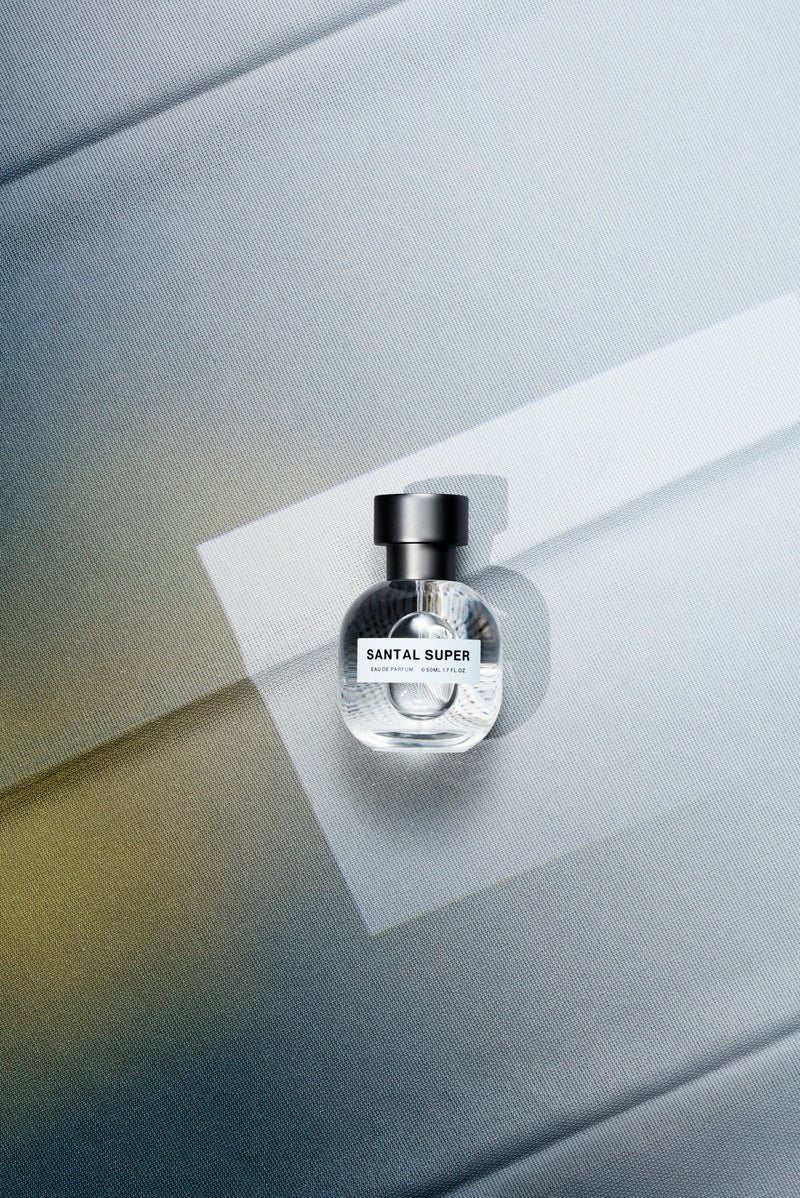
Perfumes generally consist of a blend of nature-identical, rarely naturally derived, and synthetic fragrances. Modern perfumery often uses synthetically produced fragrance molecules like Ambroxan, Cashmeran, or Iso E Super, which can achieve specific scent notes that are difficult or impossible to obtain with natural fragrances. Esters are also chemical compounds often used in perfume, such as benzyl acetate, which smells like jasmine, and linalyl acetate, which has a sweet and floral scent.
Synthetic molecules offer the advantage that they can be produced in large quantities and consistent quality, making their use in perfume manufacturing more efficient and cost-effective.
It is usually not clear from the ingredients of perfumes which molecule or other synthetic fragrance was used. Synthetic fragrances are listed as "Parfum (Fragrance)," making it difficult to identify the exact composition.
While natural perfumes deliberately rely on natural ingredients and avoid harmful synthetic substances, this is often not the case with conventional perfumes. Many conventional fragrances may contain synthetic substances that are potentially harmful to health, such as phthalates, parabens, BHT, EDTA, formaldehyde, benzophenone, lyral, styrene, and ethylhexyl methoxycinnamate.
Phthalates, such as Diethylphthalate (DEP), are often used as solvents and fixatives to make the fragrance last longer. They are suspected of causing hormonal disruptions and impairing fertility.
Parabens, which are used as preservatives to prevent the growth of bacteria and fungi, may have hormonal effects and increase the risk of breast cancer.
BHT (butylated hydroxytoluene) is used in perfumes as a preservative to extend the shelf life of fragrance ingredients and prevent oxidation. It helps keep the product fresh and prevents the scent from changing or deteriorating. However, it can cause skin irritation and is considered potentially harmful to health at high concentrations.
EDTA (ethylenediaminetetraacetic acid) is used in perfumes to bind metal ions that could otherwise destabilize the product. This helps EDTA ensure the quality and shelf life of the perfume. EDTA is problematic because it is difficult to break down, can accumulate in water bodies, and enter the environment, where it could harm ecosystems and aquatic life.
Formaldehyde has been banned as an ingredient in the EU since 2019 because it is classified as carcinogenic and a skin sensitizer, thus posing an increased health risk to consumers. However, so-called formaldehyde releasers with a concentration below 0.05 percent are still allowed in cosmetics like perfumes. These substances release small amounts of formaldehyde to protect the product from microbes and extend its shelf life.
Benzophenone and its derivatives serve as UV filters to protect fragrance ingredients from sunlight, but they are also suspected of causing hormonal disruptions and being carcinogenic.
Styrene, a synthetic fragrance ingredient, is also considered potentially carcinogenic. Another problematic UV filter is Ethylhexyl Methoxycinnamate, which can have hormonal effects and may irritate the skin.
Lyral is a synthetic fragrance ingredient in perfumes that provides a floral scent. However, it can cause allergic reactions and skin irritation, which is why its use has been restricted or banned in the EU since 2022.
These substances are used in varying amounts, and their health effects are still being researched. Since the ingredient list on perfume packaging often only contains general terms like "Parfum" or "Fragrance," it is difficult for consumers to identify harmful substances. Those with concerns should therefore opt for perfumes from certified natural cosmetics, which follow stricter guidelines regarding ingredients.
Natural perfumes, often found in the natural cosmetics sector, mainly consist of essential oils derived from plants. These essential oils come from various parts of the plant, such as flowers, leaves, bark, fruits, herbs, or woods. However, natural tree resins like frankincense, benzoin, or galbanum are also used in perfume making. Some (few) natural perfume brands use natural alcohol as a base that has not been denatured (or rendered undrinkable). Denatured alcohol contains additives to make it unsuitable for consumption and can cause irritation on very sensitive skin.
The extraction of essential oils usually takes place through distillation or cold pressing. In distillation, the plant material is heated and the resulting vapors are condensed to extract the essential oil. In cold pressing, mainly used for citrus fruits, the peels of the fruits are mechanically pressed to obtain the oil.
Typical fragrance components in essential oils are geraniol, linalool, eugenol, or coumarin. These substances naturally occur in essential oils but can also be produced synthetically to be identical to the natural ones. However, some people may be allergic to these substances, so it is always advisable to get informed before buying a perfume and to test it on a small area of skin if there are any concerns.
In the past, natural fragrances of animal origin were also very popular. Examples include ambergris, a substance from the digestive tract of the sperm whale, civet, a secretion from the civet cat, and musk, a secretion from the glands of the musk deer. However, the extraction of these substances is extremely unethical and fortunately banned in many countries today. There are many synthetic fragrances that imitate musk, ambergris, or civet and match the natural originals in quality and scent characteristics.
In recent years, there has been a shift in natural cosmetics regarding the acceptance of synthetic fragrances. Advances in synthetic chemistry allow precisely replicated scents with a lower environmental impact and a broader range of consistent properties.
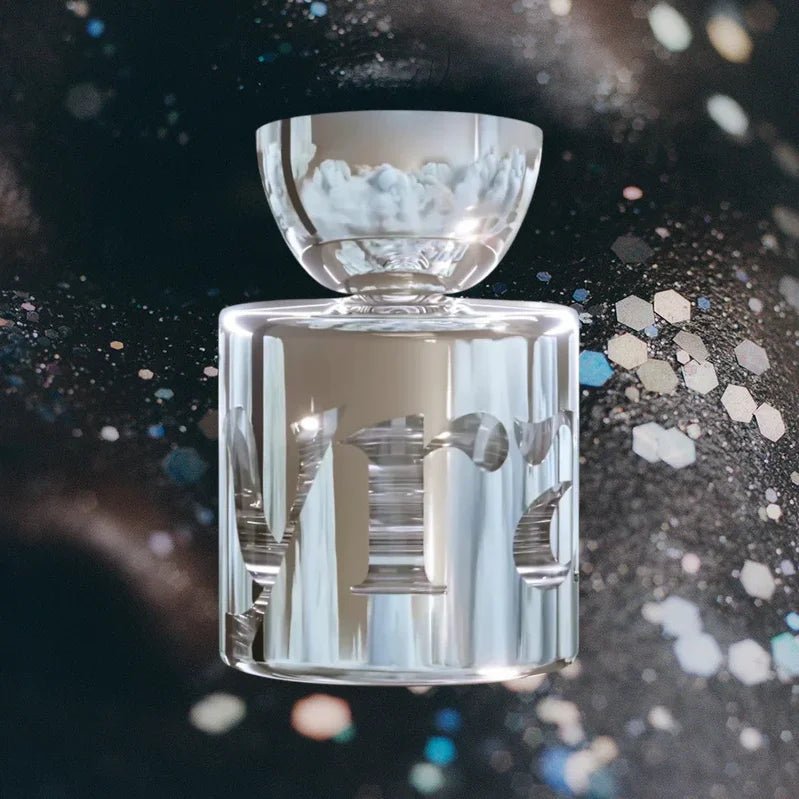
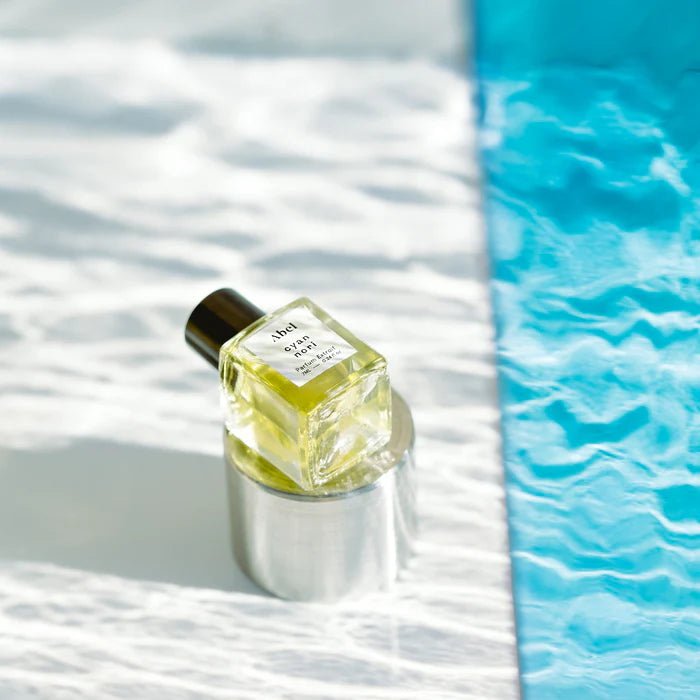
This development reflects a growing understanding that the safety, effectiveness, and sustainability of cosmetic products depend not only on their origin but also on their manufacturing methods. The increasing acceptance of synthetic fragrances opens new opportunities for creative and responsible product innovations in natural cosmetics. Perfume brands like Abel Parfum, Élisire, Heretic Parfum, or Vyrao are at the forefront of developing modern fragrance novelties.
Choosing a natural niche perfume brings many advantages. Natural cosmetic perfumes are often more sustainable because they are made from organically grown plants and support environmentally friendly production processes. The manufacturers of natural cosmetic perfumes ensure that only essential oils from plants free of pesticides are used.
In addition, fragrances from the natural cosmetics sector provide an authentic and unadulterated scent experience that develops uniquely on the skin. Although natural perfumes can also contain allergenic substances like geraniol or linalool, some people prefer them because of their natural ingredients.
Natural perfumes offer a wonderful alternative to synthetic scents. They combine the beauty and diversity of nature in a small bottle, allowing us to experience the power of plants in a new way. With their complex, layered aromas and ecological benefits, they are a valuable addition for anyone who values naturalness, sustainability, and quality.


