









Top note, heart note, base note: This is what the fragrance pyramid of a perfume means
|
|
Time to read 7 min








|
|
Time to read 7 min
Why does the first spray of a perfume often smell intensely of bergamot – and after a few minutes suddenly only smell like roses? The answer lies in the different components of the fragrance pyramid: the top notes, heart notes, and base notes. The fragrance pyramid shows us how a scent unfolds throughout the day and why perfumes are perceived very differently on the skin during various phases of development.
Table of contents
The fragrance pyramid usually consists of three components: the top note, which we perceive first; the heart note, which lingers on the skin for a long time; and the base note, which forms the conclusion. These fragrance layers differ in the volatility and size of their molecules. The top note contains light, quickly evaporating compounds, the heart note medium-volatility ones, and the base note heavier, long-lasting molecules that are often somewhat larger.
With natural fragrance components like essential oils, this multi-stage effect is especially noticeable because they consist of a variety of different molecules, each with its own evaporation speed, often unfolding in several phases.
The essential oil of the Bulgarian rose is a good example of the complex development of natural scents. It contains a variety of different fragrance molecules, including citronellol, geraniol, and nerol, which evaporate at different rates. This causes the scent to develop on multiple levels: it starts with a fresh top note, evolves into a characteristically floral heart, and ends with a warm, almost balsamic base note.
That is why natural scents feel especially vibrant and complex, as the transition from top note to heart note often unfolds gently and with many facets. Synthetic fragrance notes, on the other hand, impress with their even and consistent scent development, which tends to remain stable throughout a fragrance phase like the heart note.
That means: Yes, we can actually smell the progression of the fragrance pyramid. With some attention, the individual phases can be consciously perceived. It does take a bit of practice to distinguish the different scent notes, but over time the sense of smell sharpens. It becomes especially exciting when you pay attention to the changes caused by skin contact, time, and body temperature.
The top note is like the first smile you give someone: fleeting but meaningful. These notes shape the first impression we get of a perfume and significantly influence whether we like the scent. Top notes usually remain on the skin for about ten to fifteen minutes before giving way to the heart notes.
Often the top note starts with a bang of sparkling citrus notes, tingling pepper, juicy fruits, aromatic coffee beans, spicy cardamom, or tart fig leaves. This is no coincidence, as the top note consists of rather light and volatile molecules that evaporate quickly, immediately reaching the air and thus being perceived first. To still impress, they are usually intensely dosed.
An archipelago of sensations. The promise of a sunset. Magnificent and radiant. Aromatic sage, explosive ginger, delicious vanilla. Immortal. Captivating. Prismatic. Flickering shades under the moonlight, free and inviting. Mysterious and full of depth. Saffron-colored garments… Passions. Pride.
A journey with Élisire to the Orient. The beauty of a sunset in the imperial garden. Rooted in ancient tradition and solemn like the return of a soldier from distant lands. Full of humility and silence.
The heart note, as the middle component in the fragrance pyramid, is the core of a perfume. It lingers on the skin for several hours and defines the true character of the scent. After the top note fades, the heart note unfolds, connecting the light top notes with the deep base notes.
The molecules of the heart notes are less volatile, so they unfold more slowly and remain perceptible longer. Floral notes like rose, jasmine, iris, and ylang-ylang, resins like labdanum and elemi, warm accords like cinnamon and vanilla, as well as some fruity notes, are especially common in the heart note and give the perfume its personality.
Clary Fig combines the sweet, complex character of clary sage and figs with refreshing citrus notes, creamy hints of milk, and robust caraway. The warm, soothing base note with musk and sandalwood gives the perfume a surprising, distinctive sophistication.
The unisex perfume by Carl Kling Parfums embodies the essence of Scandinavian minimalism and avant-garde art in a unique scent. The creation surprises with an unexpected blend that immediately stands out – as clear and unmistakable as the name itself.
Clary Fig was developed in collaboration with master perfumer Antoine Lie.
The base note, sometimes also called the foundation note, forms the base of a perfume, anchoring the scent on the skin and ensuring its longevity. Its long-lasting effect is due to the special structure of its fragrance molecules. These are often larger and less volatile than those of the top or heart notes. They require more energy to evaporate and therefore remain longer on the skin or clothing – sometimes even for days.
Many base notes initially seem very intense, like a smoky leather accent, sweet amber, heavy patchouli, or earthy-woody vetiver, but they soften over time and recede into the background. Only in combination with the heart and top notes does the full overall picture of the perfume emerge.
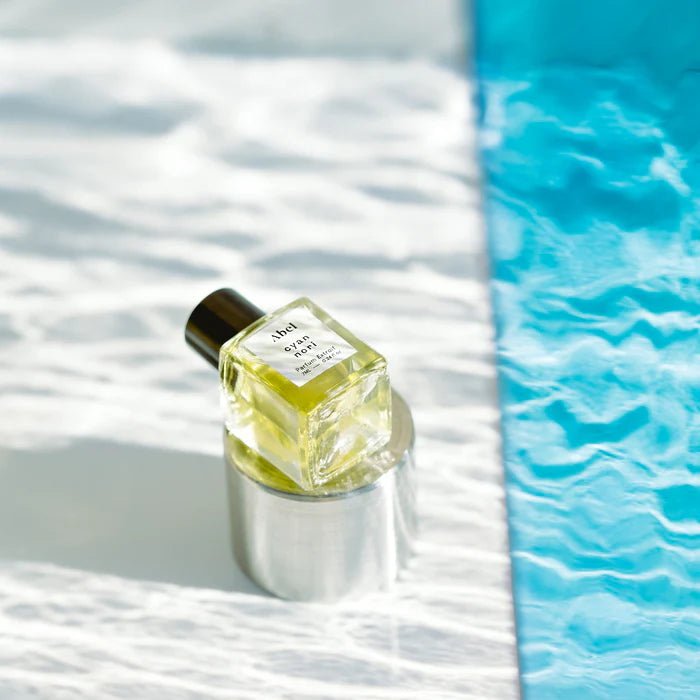
Cyan Nori by Abel Parfum is sweet, salty, and sparkling – juicy mandarin and white peach combined with salty deep sea. Inspired by the vastness of the ocean.
Famous for its moisturizing amino acids and a variety of therapeutic benefits, Nori (seaweed) blurs the line between functionality and beauty in this bold, modern niche fragrance.
Natural musk forms the backbone and gives it great longevity and a sparkling quality that wears wonderfully on the skin.
The magic of anticipation, the intention toward something, consciously without benefit, a first touch, neon light, a tingling up the spine...
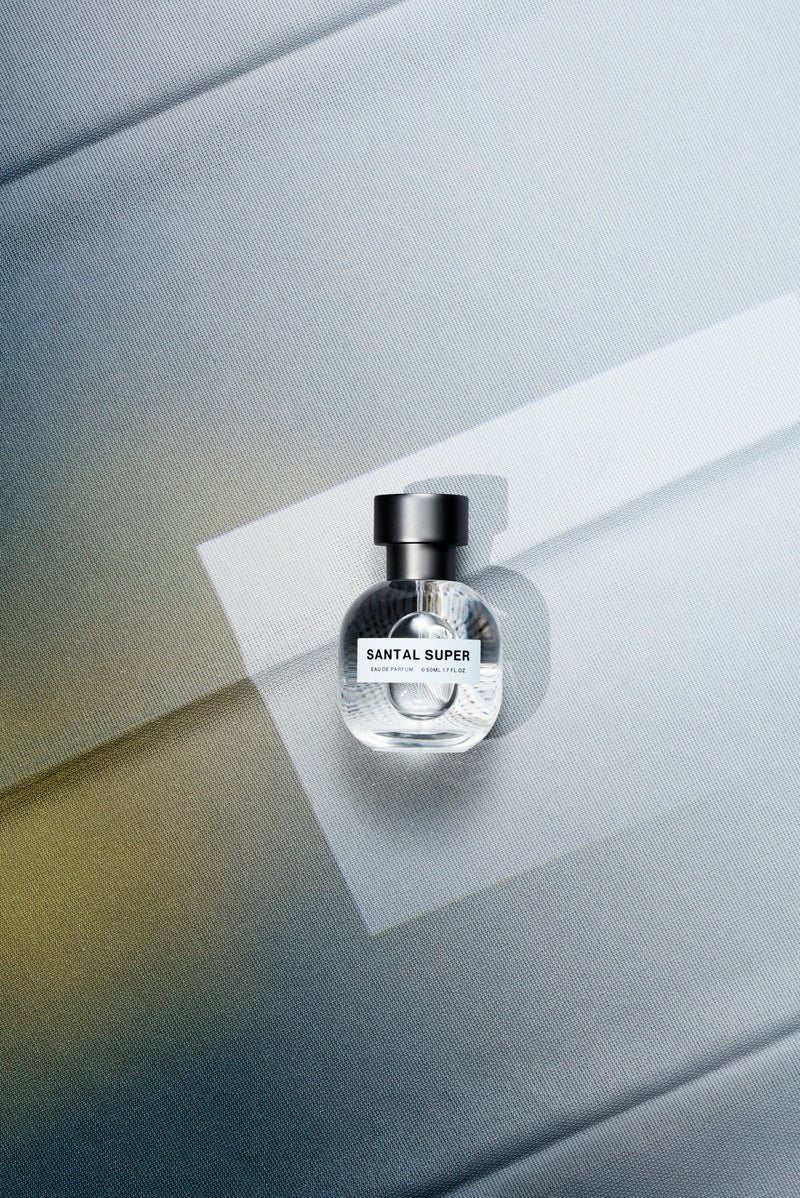
Yes, they do exist! An example of this is molecule perfumes, which contain only fragrance molecules like Iso E Super, Ambroxan, or Cashmeran, as well as alcohol and water. They often feel minimalistic, modern, and especially close to the skin. Still, individual scent facets can change throughout the day. Depending on skin chemistry, environment, and perception, certain nuances come forward more strongly or subtly.
Many perfumes combine natural or nature-identical fragrance ingredients with the mentioned synthetic molecules. These give the scent woody, citrusy, amber-like, fruity, or floral facets and can selectively highlight or intensify individual notes in the fragrance pyramid. At the same time, they support the natural skin scent and ensure that the fragrance unfolds its individual, very personal aura on each person.
Some perfume makers list their fragrance notes without explicitly assigning them a place in the fragrance pyramid. There are various reasons for this: On the one hand, some modern synthetic perfumes, especially Molecule perfumes, are deliberately composed so that they do not unfold strictly according to the classic pyramid structure but rather linearly or in wave patterns. On the other hand, brands sometimes want to emphasize an emotional scent description and focus less on the technical classification.
No 07 Elixir Isotopique is Frau Tonis’ first molecular perfume. Through contact with the skin, this parfum unfolds a unique, individual scent note. It envelops with a subtle aura and offers a special fragrance experience.
Warm aromas of Ambroxan and cedarwood make this scent glow bright golden. Headstrong, violet violet blossoms join triumphantly like in a trance. No. 07 Elixir Isotopique is a fascinating olfactory experience. That’s totally me. This is my personal signature scent.
Ambroxan is a synthetic fragrance ingredient with a characteristic warm, woody, and amber-like aroma. An Ambroxan molecule perfume creates a long-lasting, unique, and individual scent signature that emits deep and rich notes.
With layering, meaning applying several perfumes on top of each other, different scents blend together, which can lead to surprising scent progressions. Top, heart, and base notes often develop differently in combination than in a single fragrance. Certain notes can enhance or overshadow each other, while others recede. For example, the fresh, aquatic top note of one perfume can be emphasized by the fruity notes of another scent but rather covered by spicy notes. The result is an individual scent progression that develops dynamically on the skin. Sometimes surprising, but always unique.
The fragrance pyramid explains why perfumes change over time, from the fresh top note to the deep base note. It helps to perceive scents more consciously and classify them better. However, not every fragrance follows this structure: many modern compositions rely on linear or unusual progressions. What matters is how a parfum unfolds on your skin and whether it has that certain something for you.


