
















Buy Perfume Oil — Alcohol-Free, Concentrated & Long-Lasting
Discover handpicked perfume oils: alcohol-free, natural fragrance blends that combine care and scent. Our selection ranges from delicate, floral essences to opulent, oriental compositions — ideal if you want a long-lasting, subtle fragrance experience without alcohol.
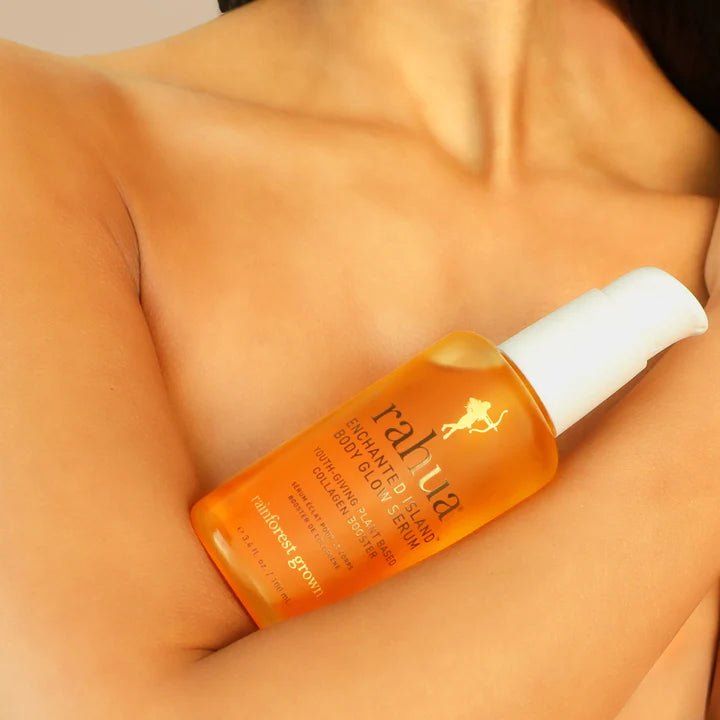
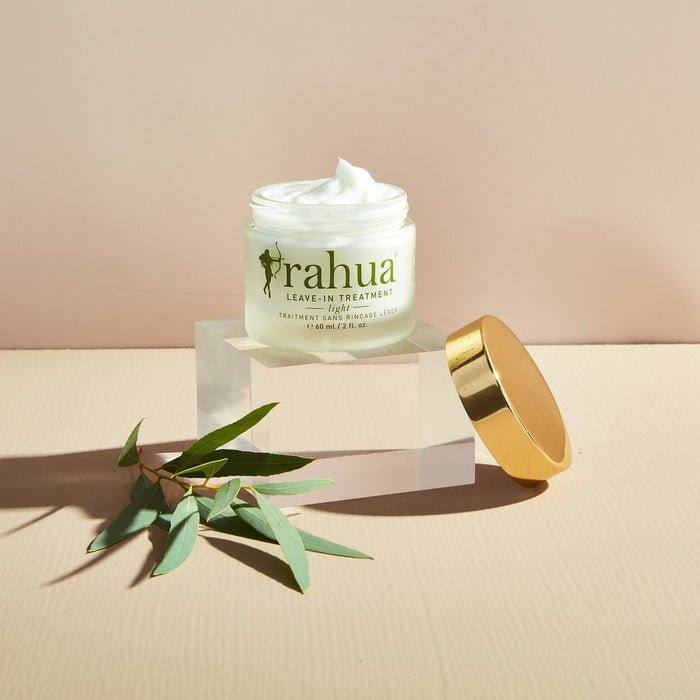
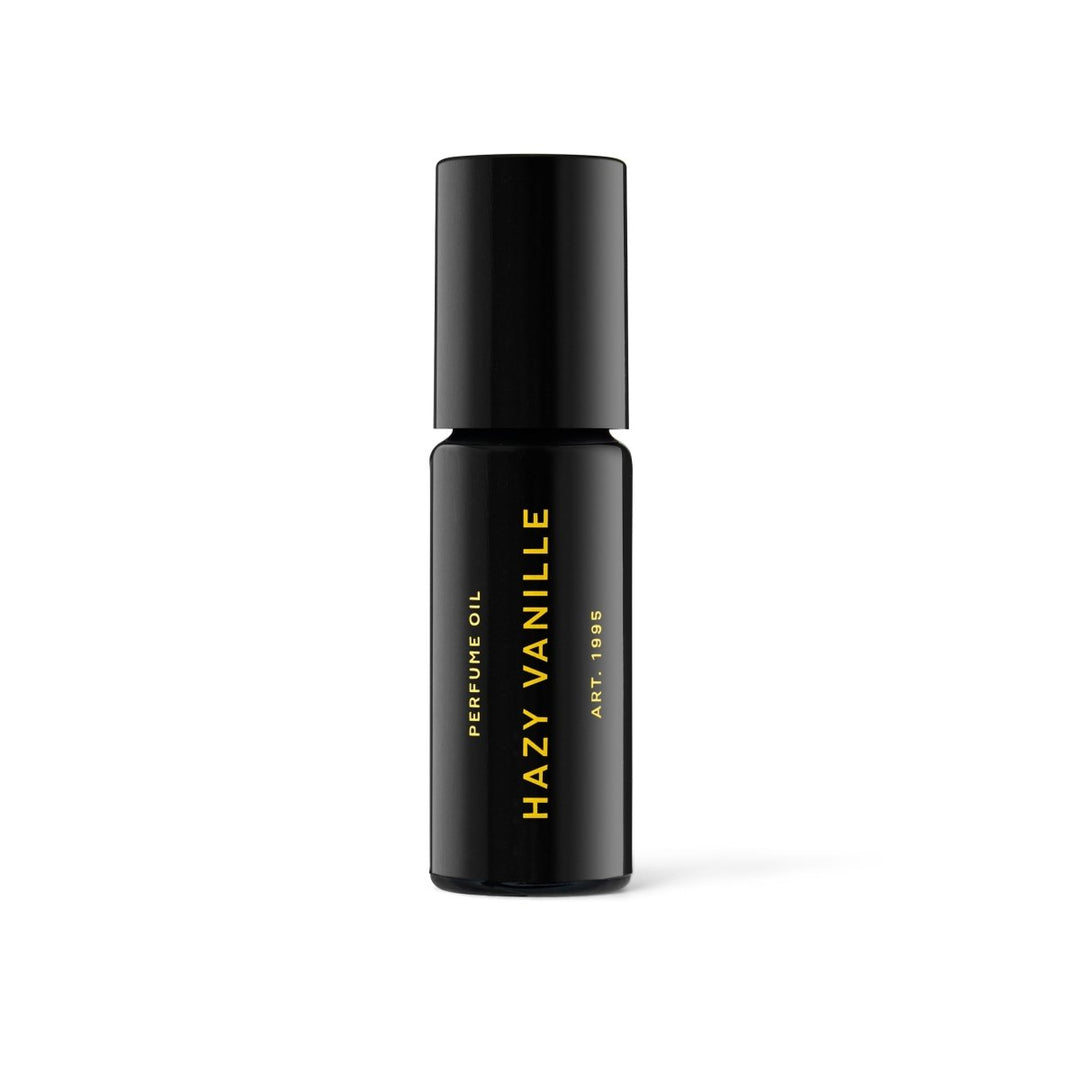
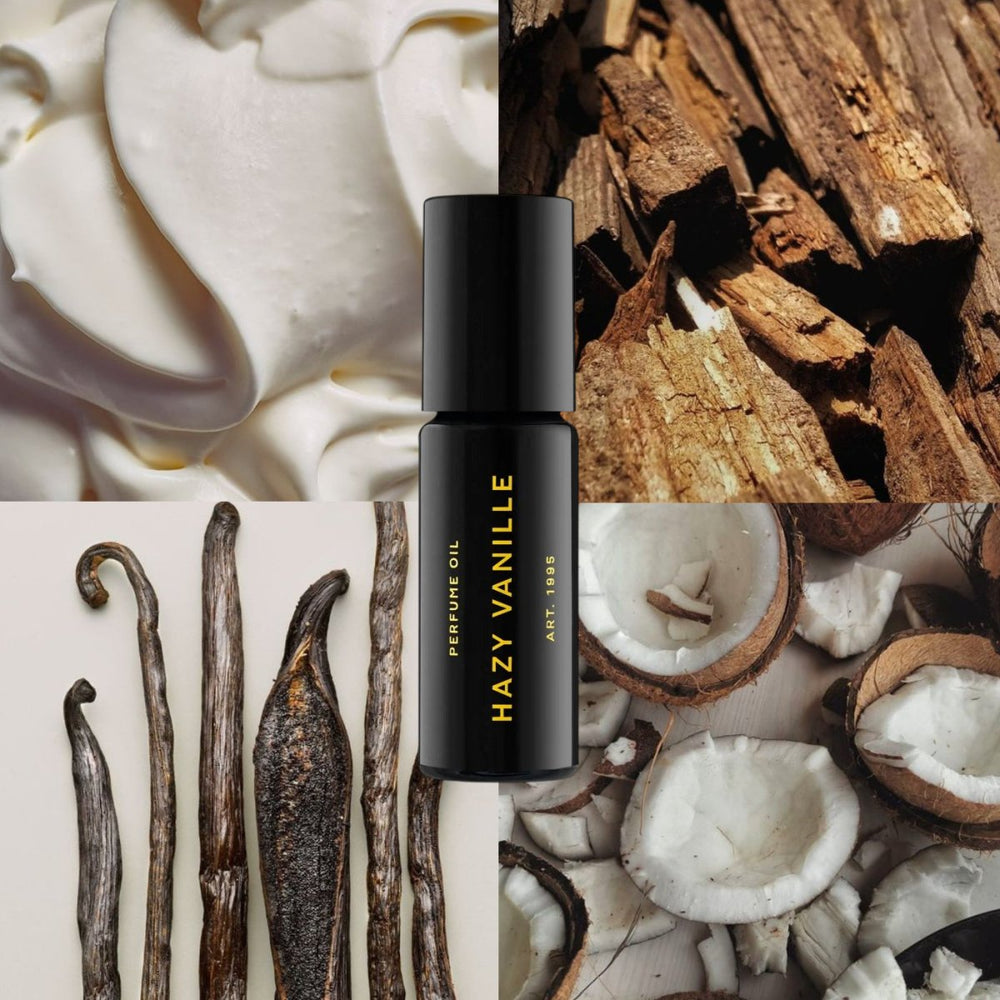
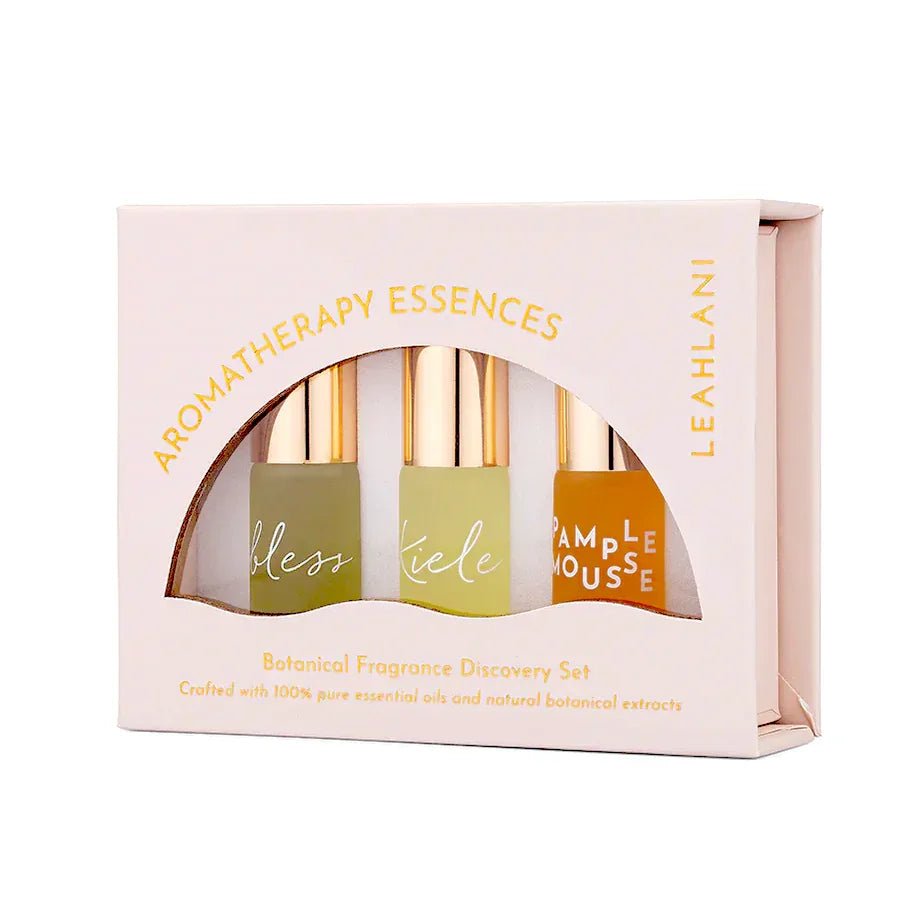
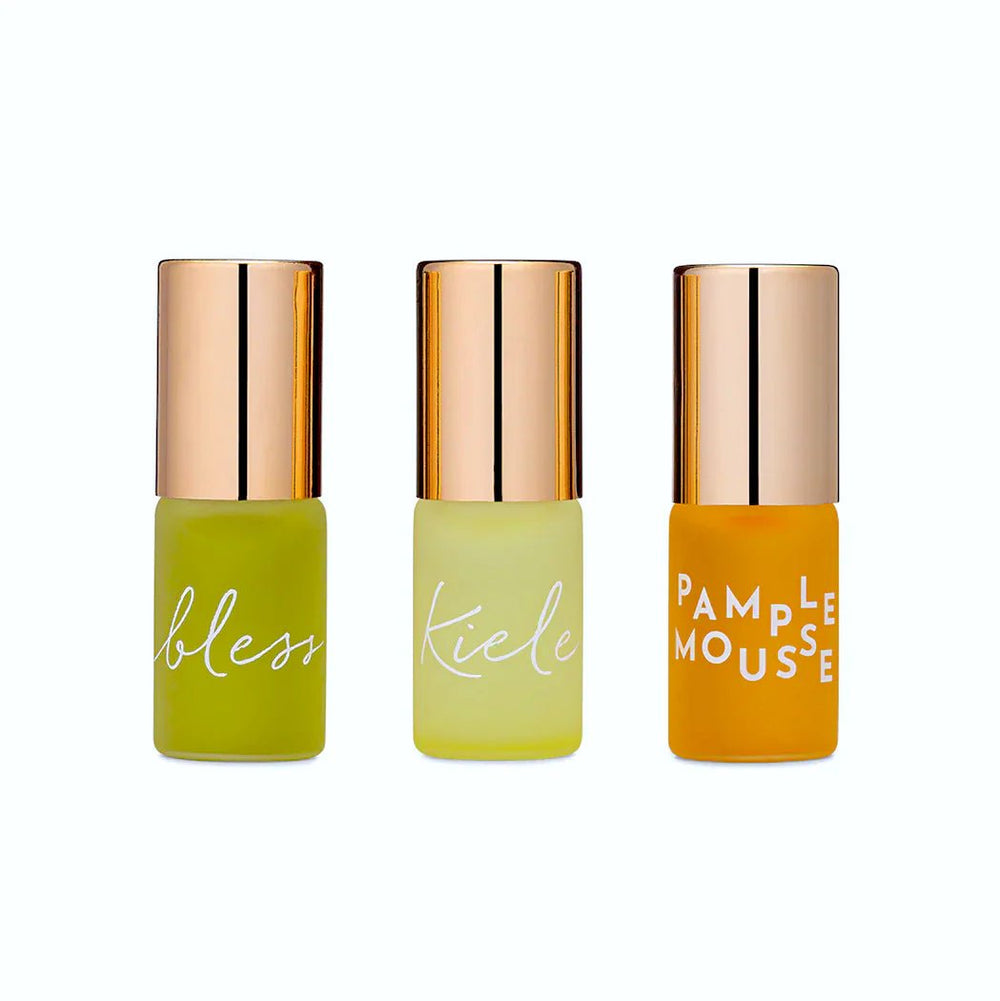
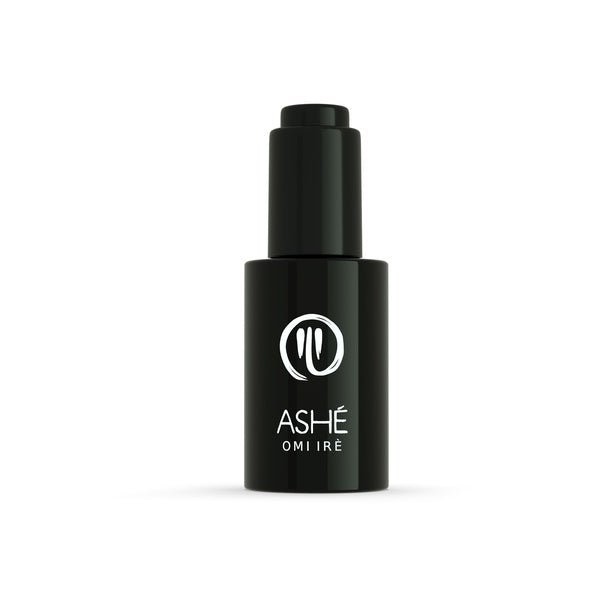
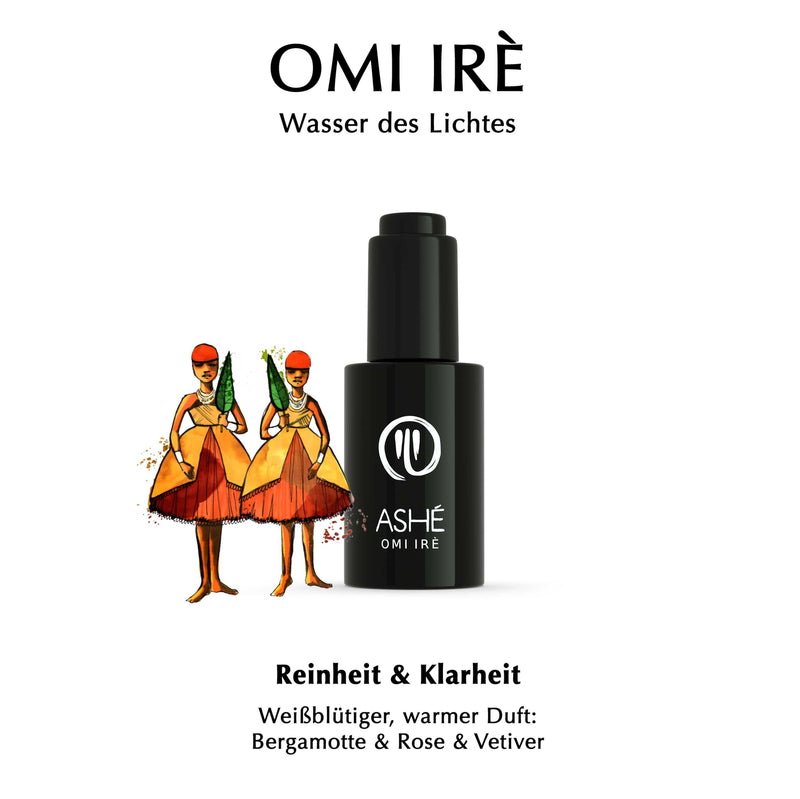
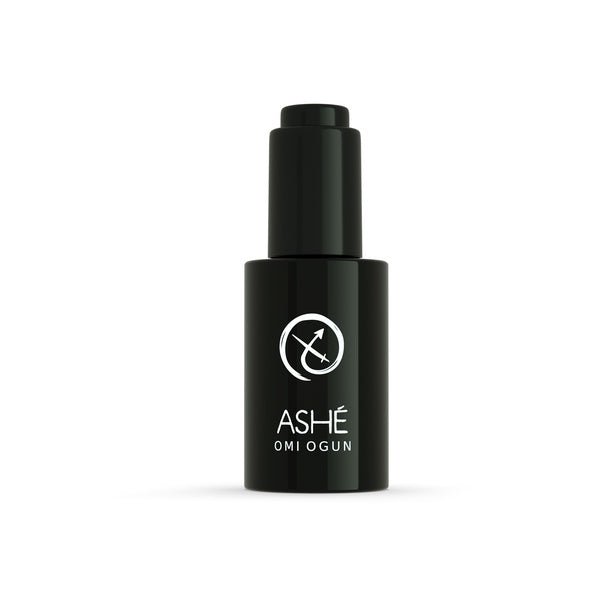
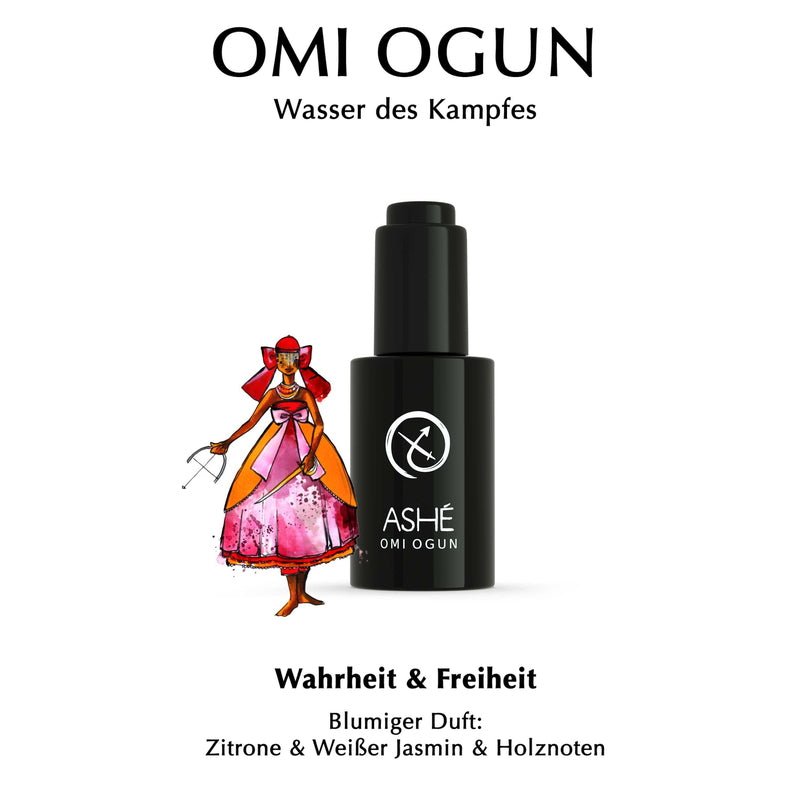
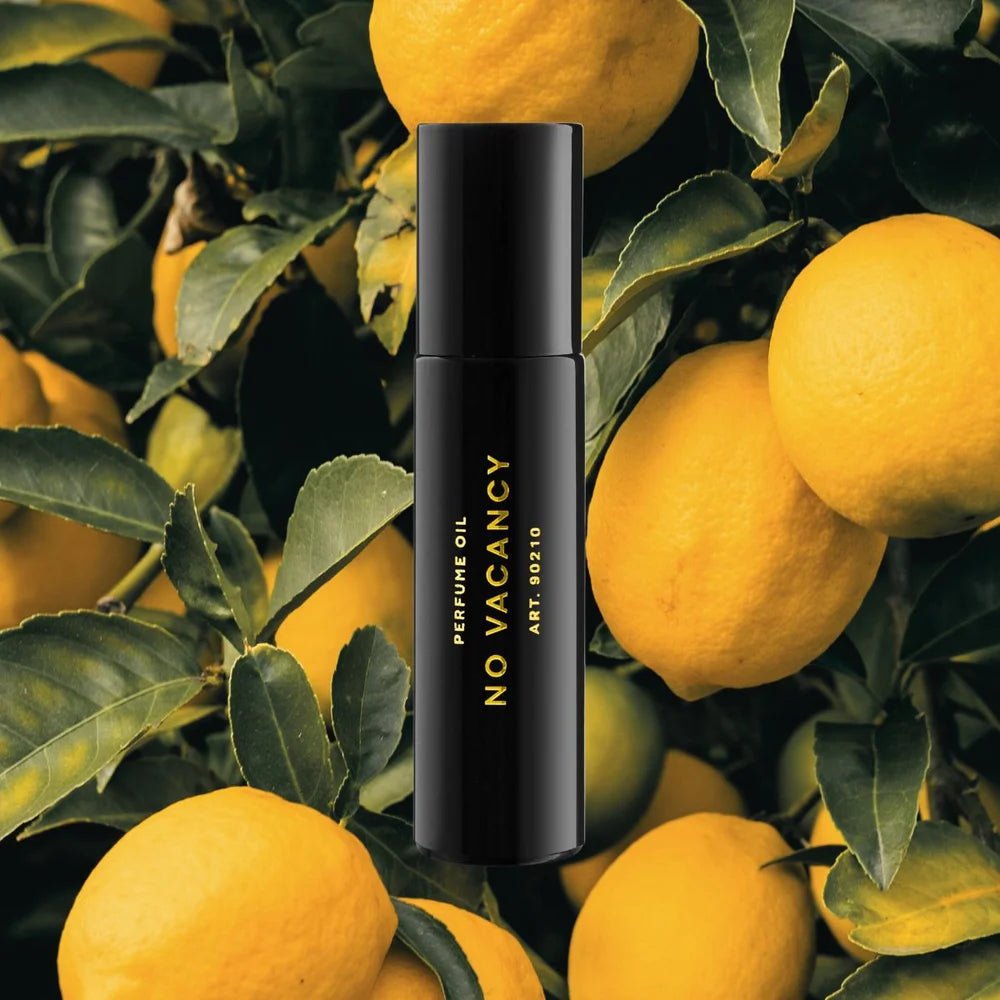
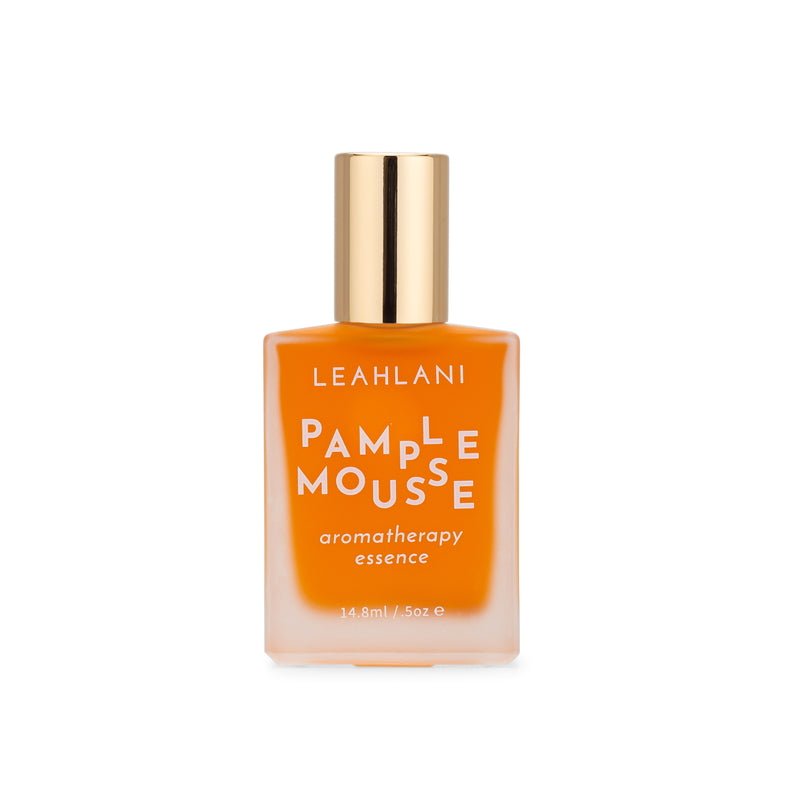
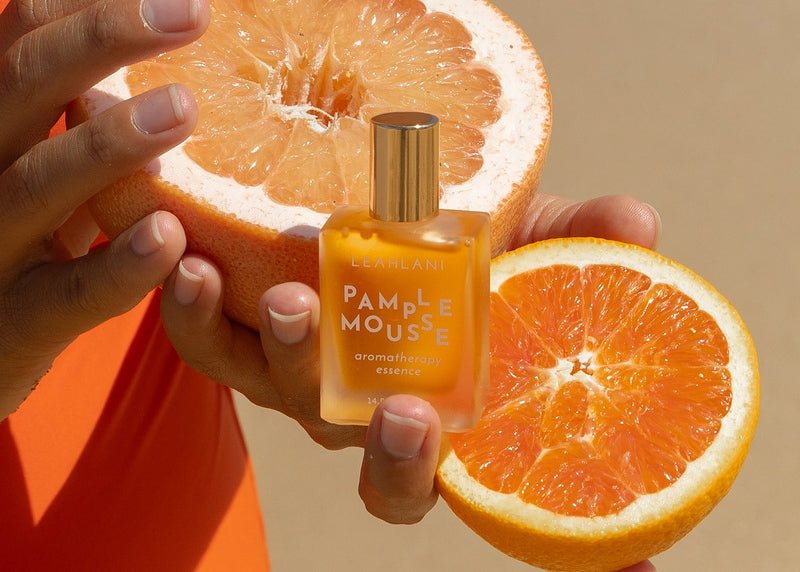
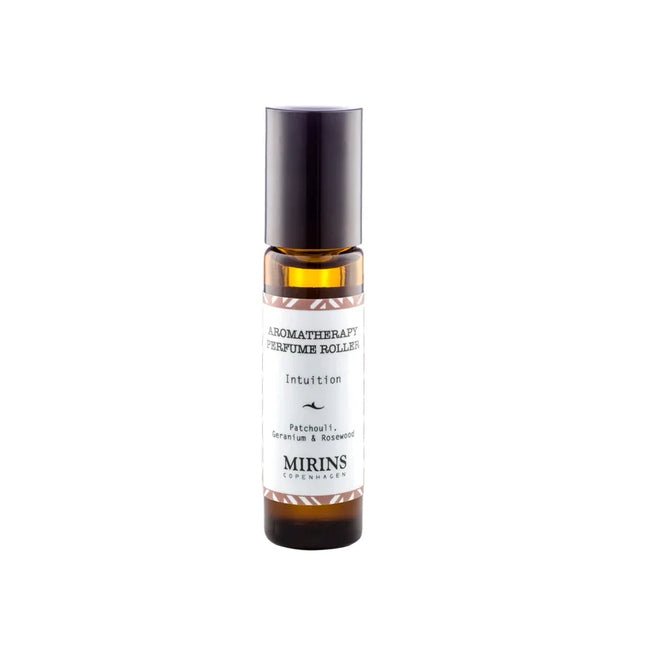
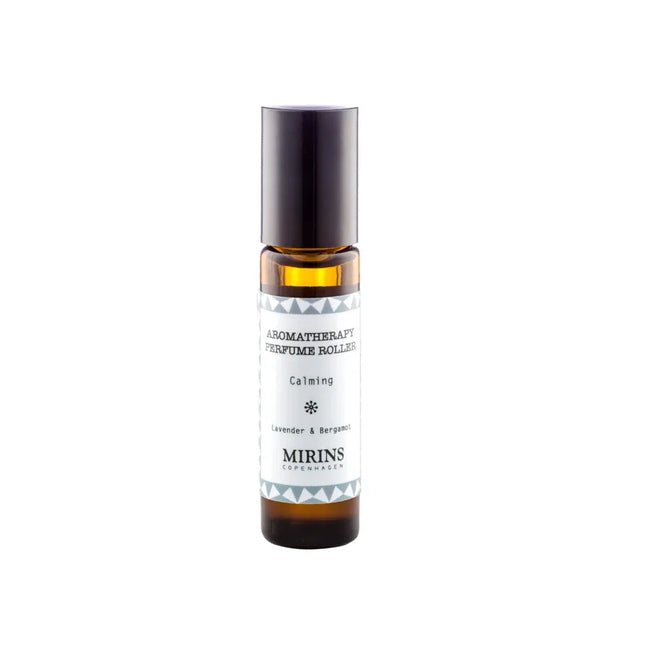
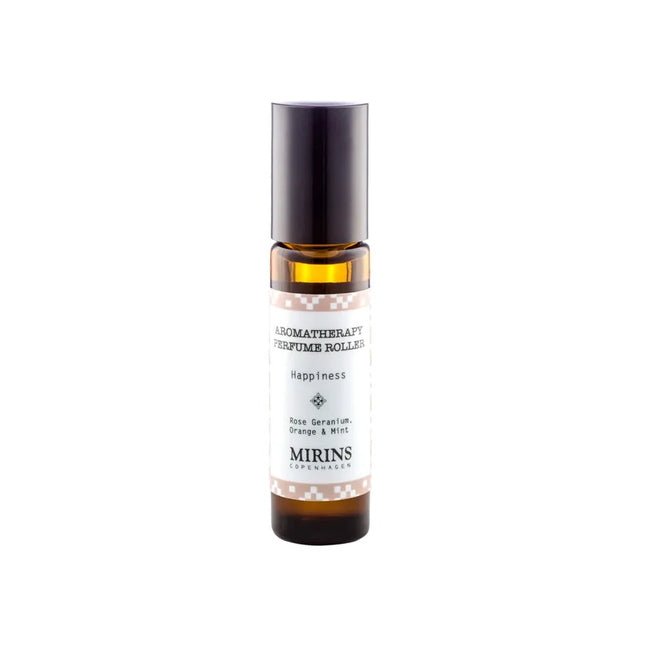
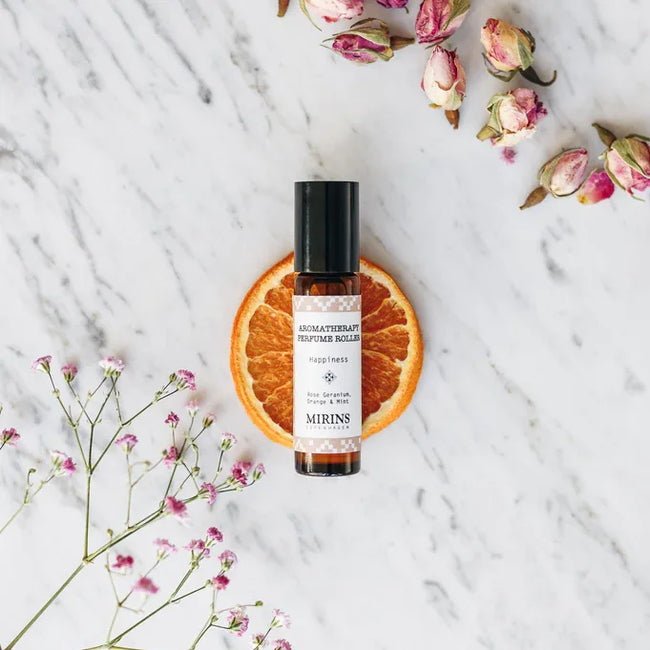
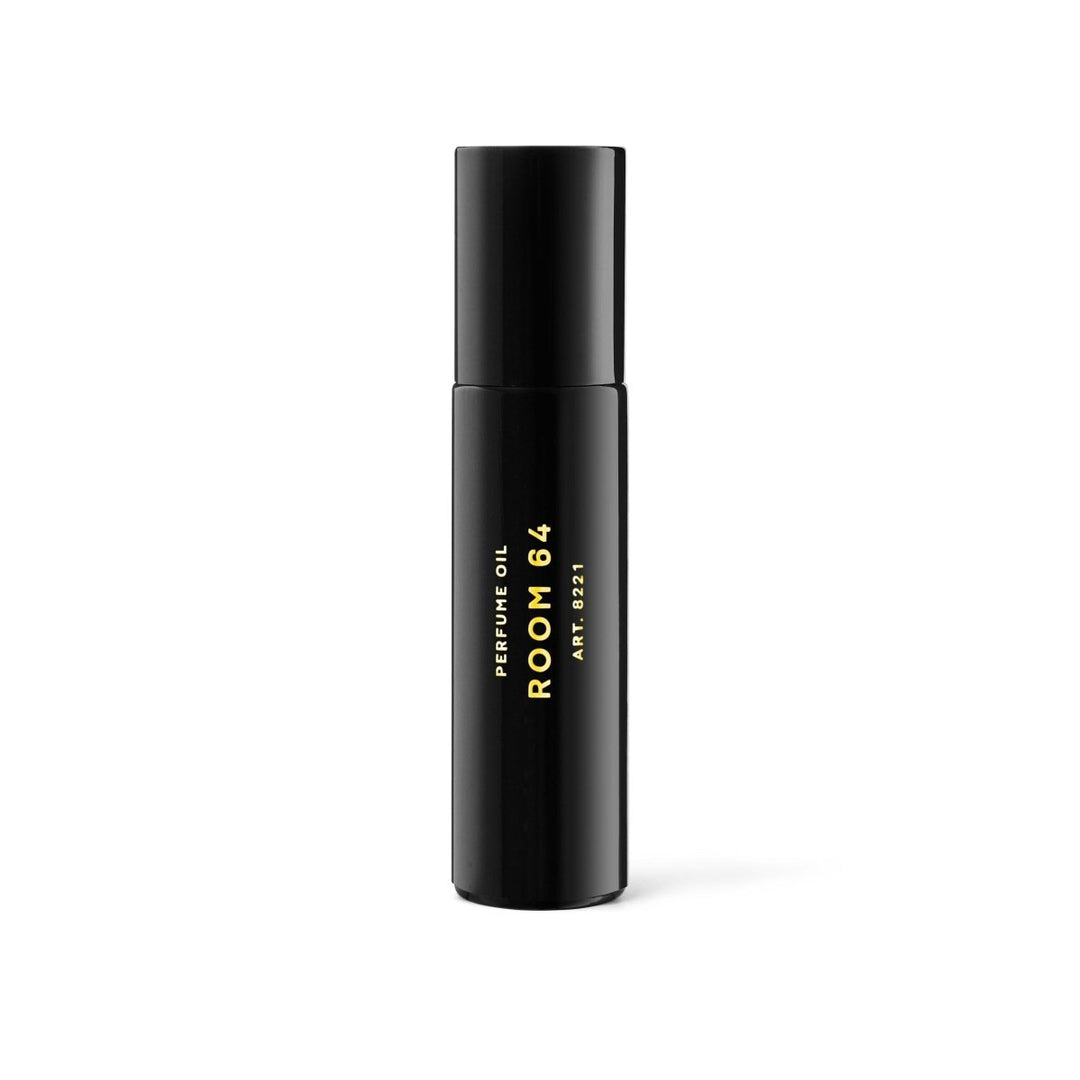
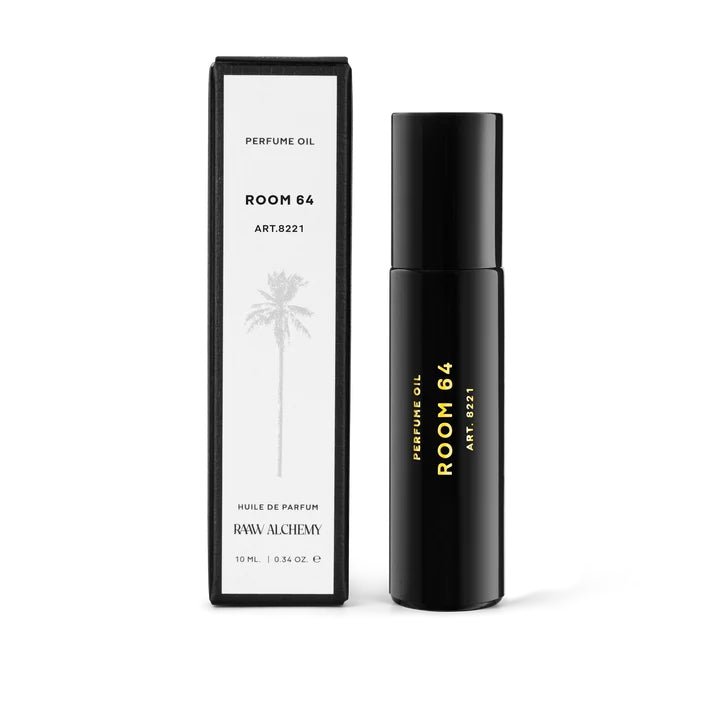
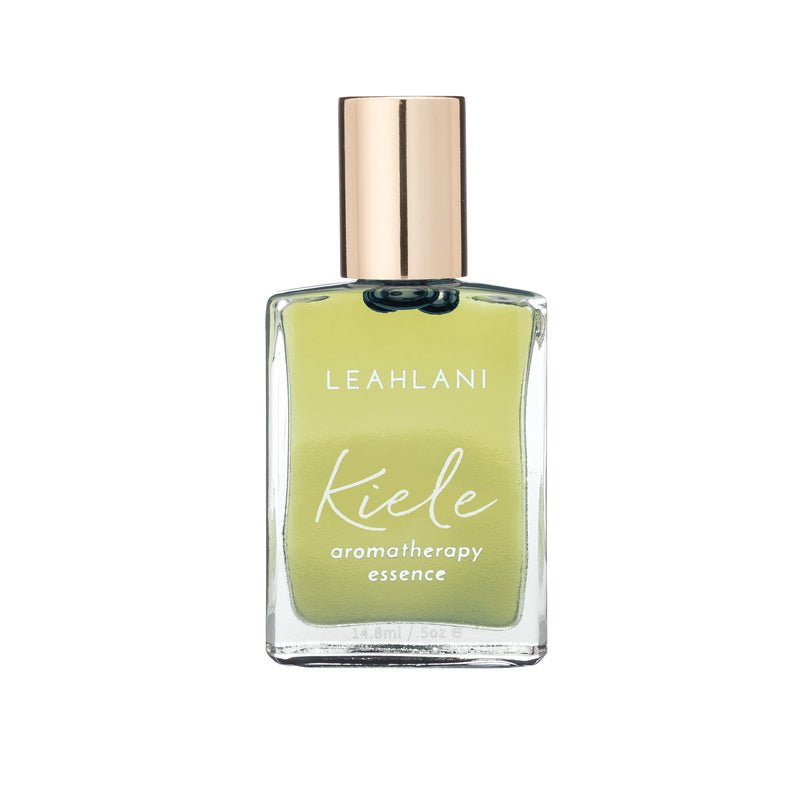
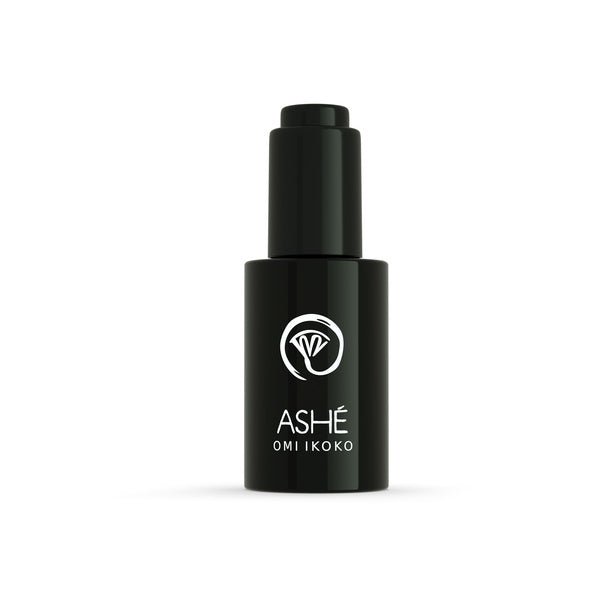
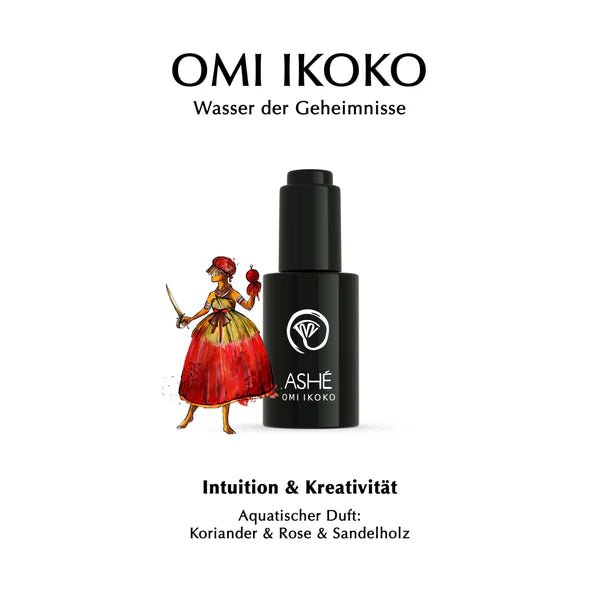
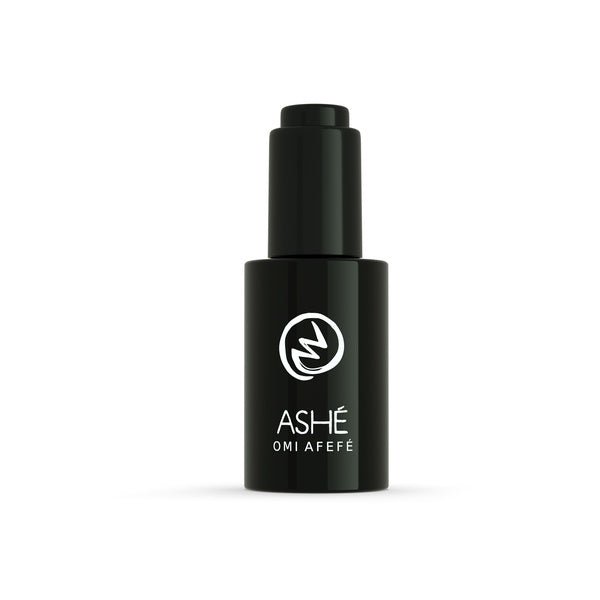
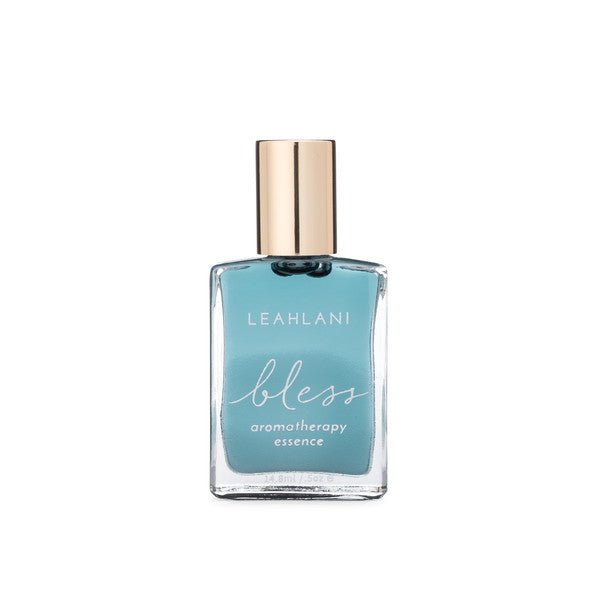
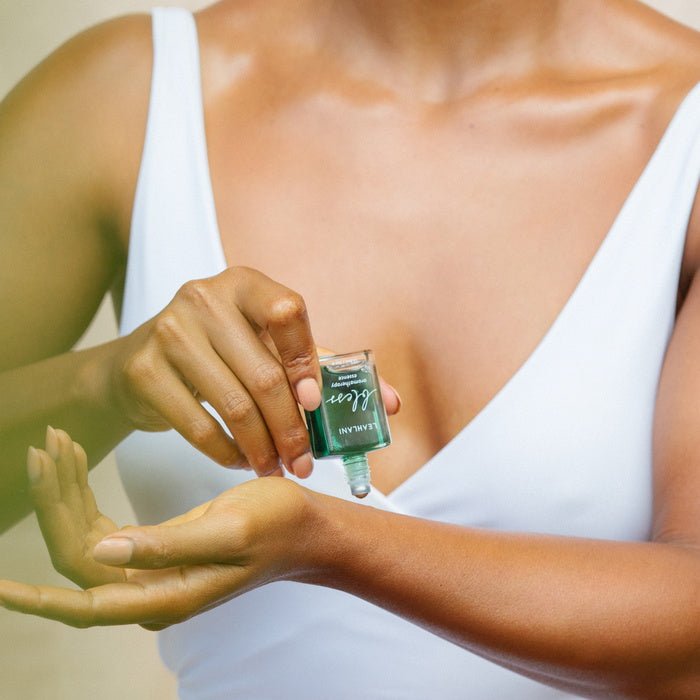
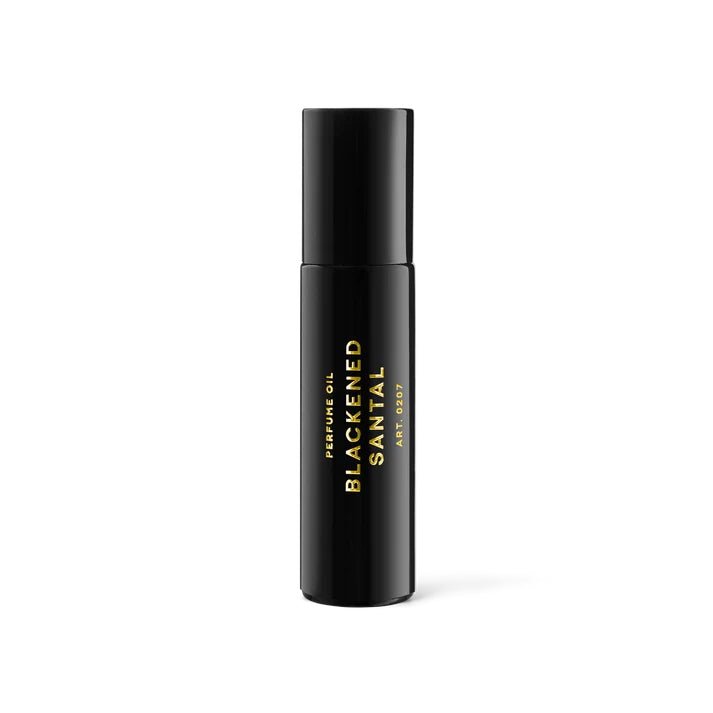
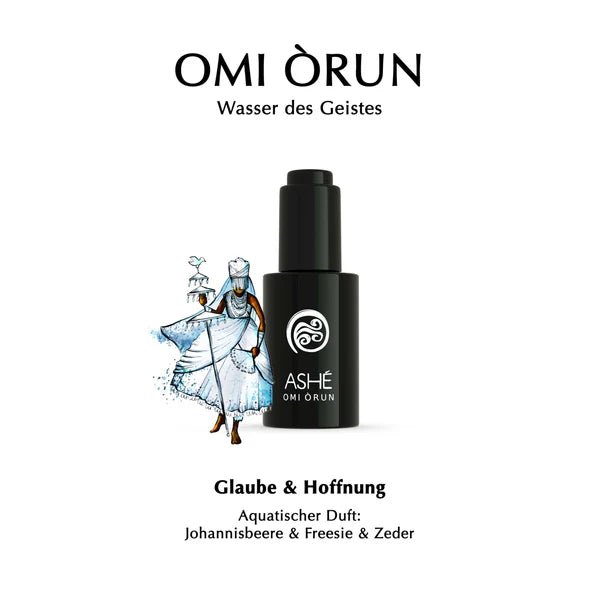
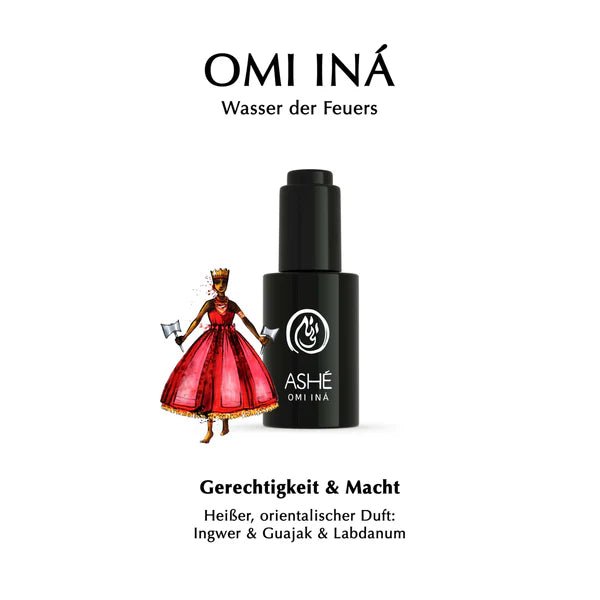
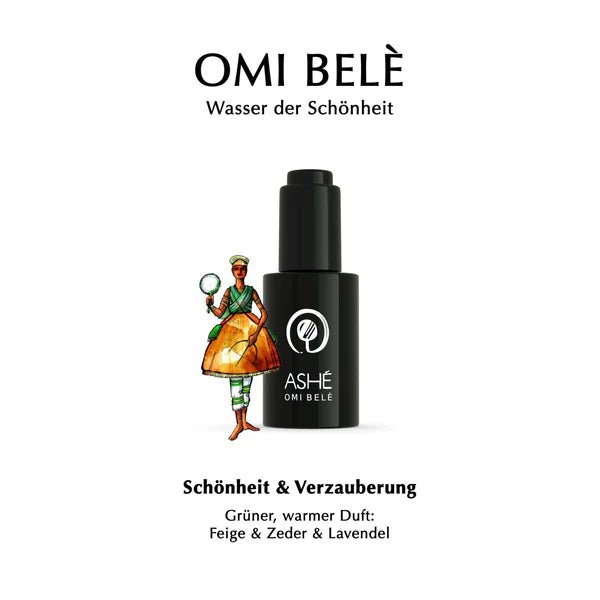
Perfume oils (also called Attars) are formulated in a carrier oil and release fragrance notes particularly gently and slowly (often as roll-ons). This makes them an excellent choice for sensitive skin, travel, or as an intense scent layer when layering perfumes. At Blanda Beauty, we carry brands like Ashé, Leahlani, RAAW Alchemy, and Rahua — each with its own scent language and high-quality raw materials.
How to find your perfume oil: Choose by fragrance family (floral, woody, oriental), carrier oil (jojoba, almond), or application form (roll-on, dropper). Try a sample or a discovery set first — this way you can safely test how the notes develop over hours.
Need help? Our fragrance guides and the Blanda team are happy to advise you on your choice.
Eau de Parfum or Perfume Oil – What Are the Differences?
- Eau de Parfum: An Eau de Parfum consists of alcohol, water, and essential oils (or synthetic fragrance ingredients). The essential oil content in an Eau de Parfum ranges from 8 to 15%.
- If a perfume includes the term "Intense," the fragrance oil concentration can be up to 20 percent. A Parfum Extrait refers to a 15 to 30% concentration of the fragrance composition. Due to the high concentration, the perfume is very long-lasting and can be used sparingly.
- Eau de Toilette: Eau de Toilette is a scented water with a perfume oil content of 6 - 9%. They are usually fresh and light and can therefore be applied more generously to the body. The name relates to the use of scented water in the Middle Ages. At that time, it was used for body care and cleansing, using cloths called "toile" in French. The word "Eau" means "water," from which Eau de Toilette originated.
- Eau de Cologne: Eau de Cologne has the lowest fragrance oil concentration at 3 - 5% and is a very light, usually fresh scent. The original Eau de Cologne formula dates back to the pharmacist Johann Maria Farina, who created a light perfume in Cologne in the 18th century, thus producing the first cologne water.
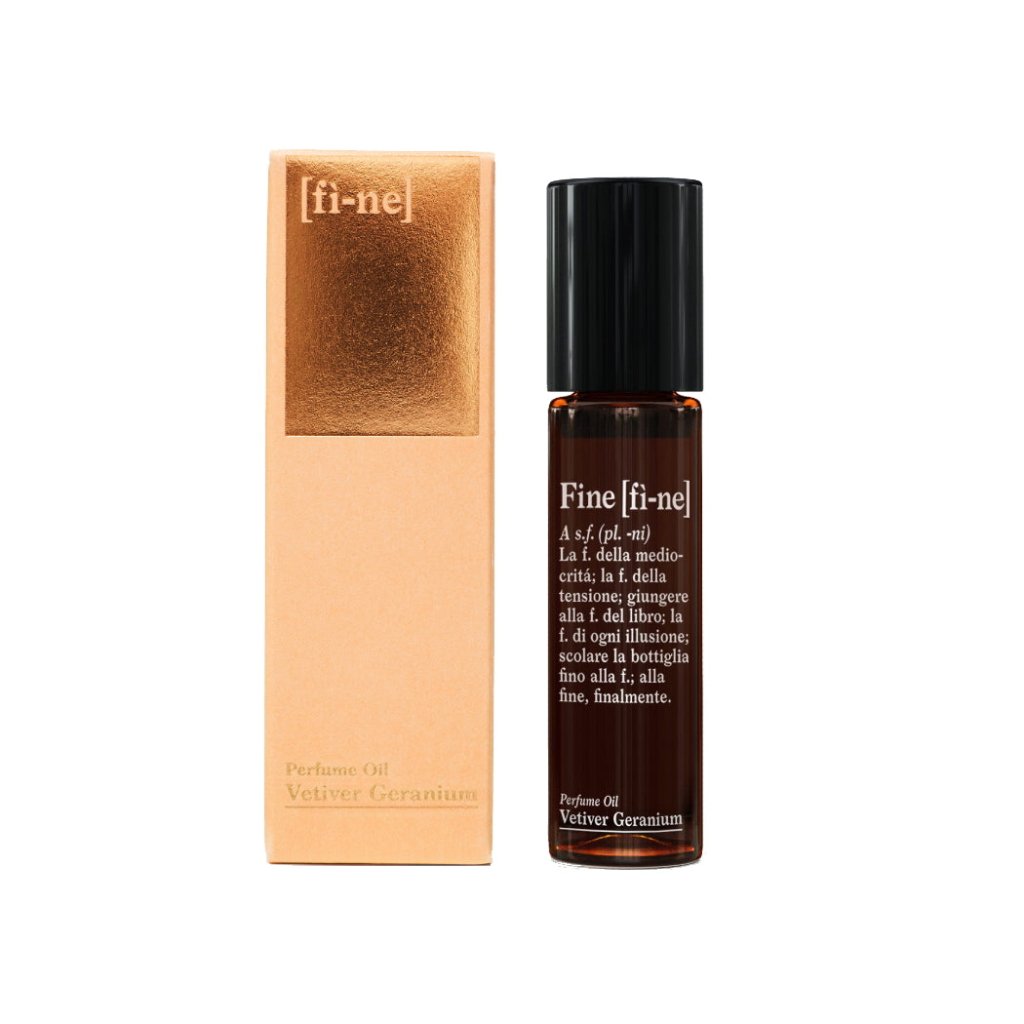
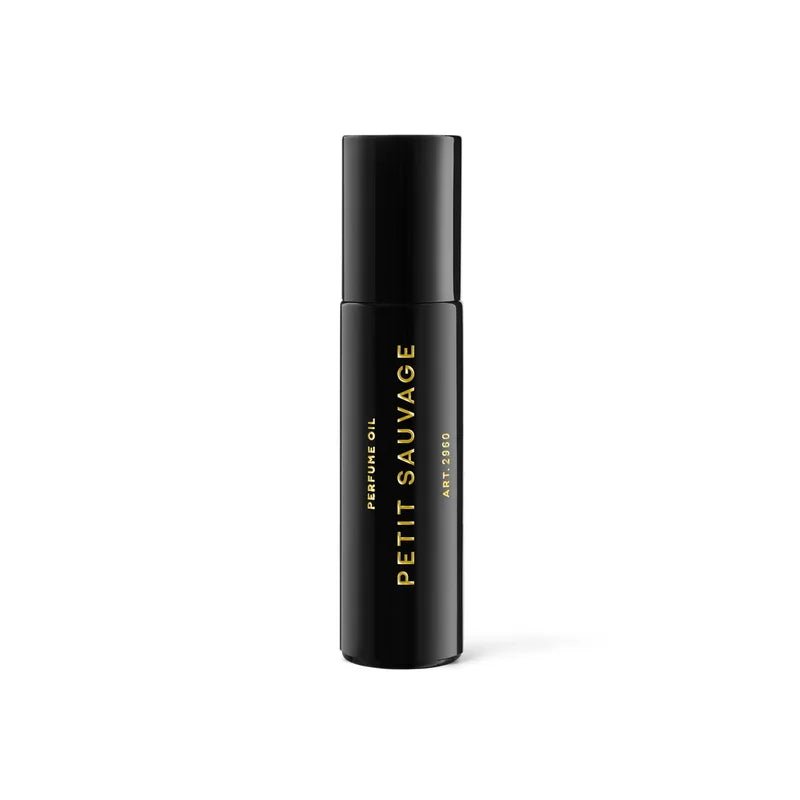
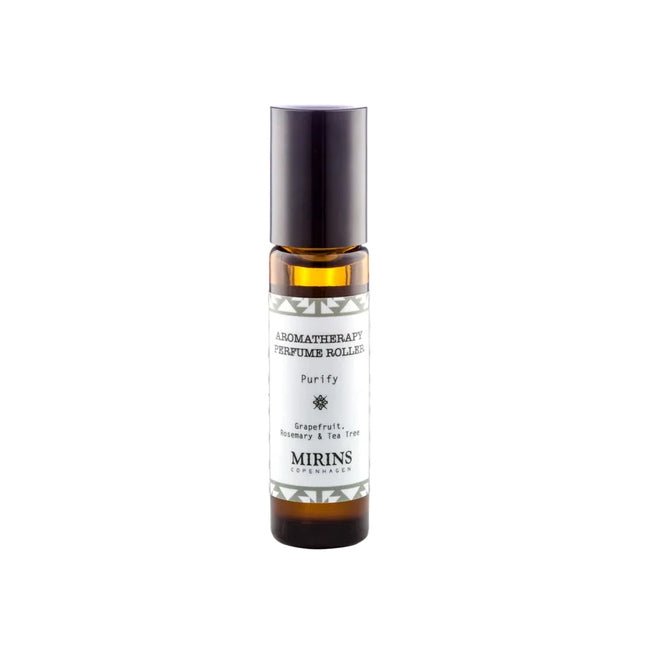
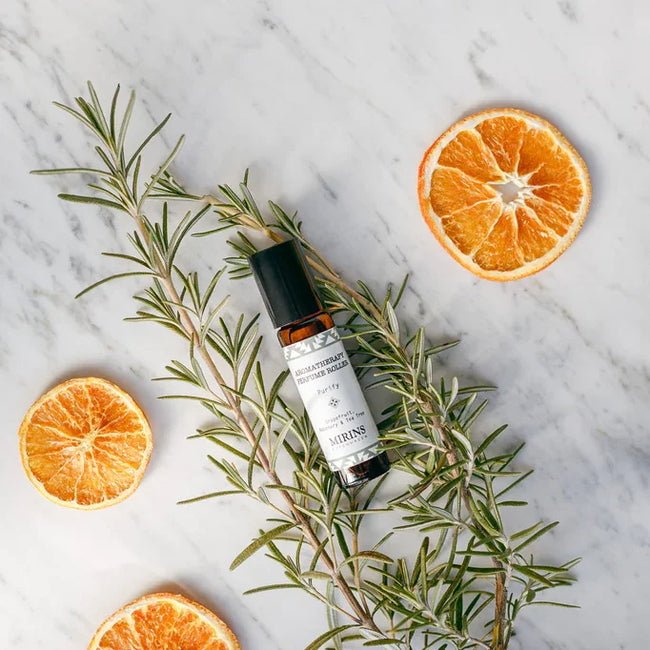
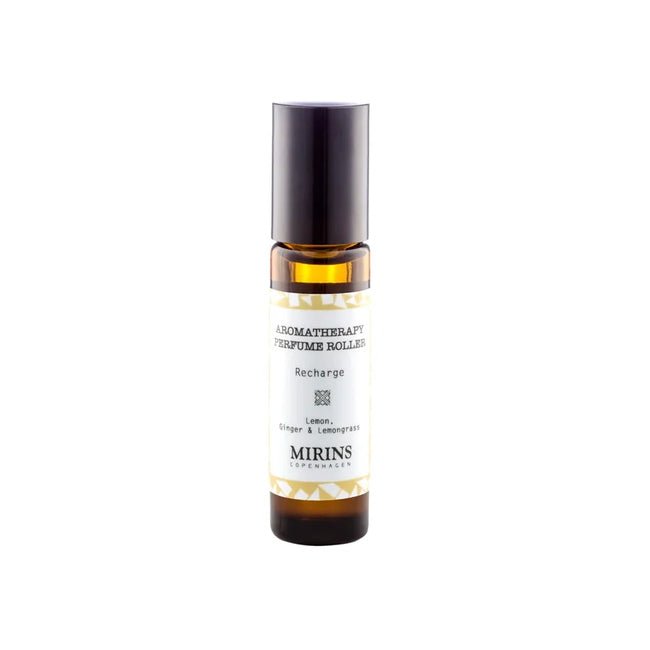
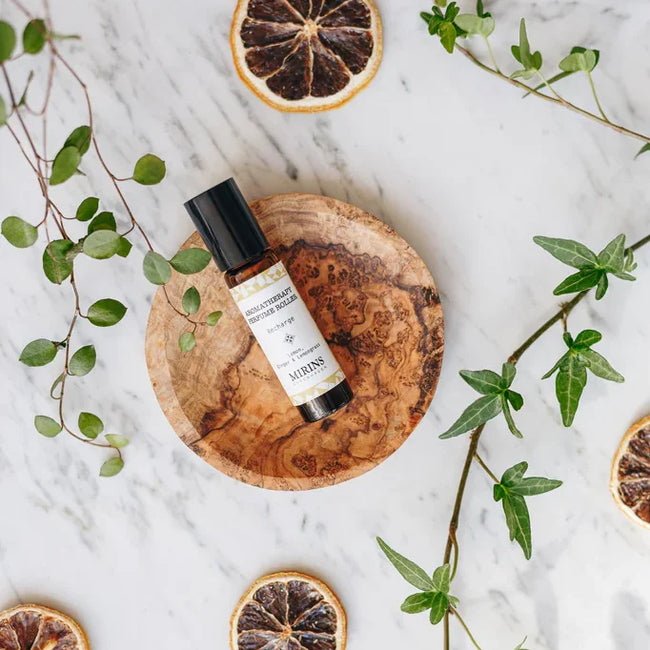
- Perfume Oil: Unlike perfumes, perfume oils contain no alcohol. The essential fragrance oils are not combined with water and alcohol but are embedded in one or more carrier oils. The concentration of fragrance essences is high, and since oils release scent slowly, the fragrances are long-lasting and subtle. Without alcohol, perfume oils are an ideal alternative for sensitive skin. They are available as roll-on perfume oils or droppers.
- Natural cosmetic perfume oils are made from 100% natural flowers, fruit peels, spices, or woods. These tinctures were probably the first perfumes consciously used for scenting and seduction. Even in antiquity, essential oils were extracted from fragrant plants to use their characteristic scent for men and women.
- Small, independent fragrance ateliers like Ashé, Leahlani, or RAAW Alchemy create unique scents developed under therapeutic principles. Perfume oils combine care and fragrance to bring the sophistication of luxurious cosmetics into the realm of natural beauty.
The Mysterious World of Perfume Oils: Everything You Need to Know
The mysterious world of perfume oils draws us in magically when we pass by a scent that captivates our senses. But what exactly lies behind these wonderful essences? Perfume oils are the building blocks from which fragrances are created. They are highly concentrated extracts from natural or synthetic sources that give perfume compositions their unique aromas. Whether floral, woody, or fruity scent – the right blend of perfume oils ensures that every fragrance is unique and distinctive. Below, we explore the different types of perfume oils, their production, and their uses. We will also dive deeper into the world of fragrance notes and learn how certain oils can be combined to create an individual scent.
What Is the Difference Between Perfume Oil and Essential Oils?
Perfume oils are often confused with essential oils, but there are differences between the two. Essential oils are extracted from plants by distillation or cold pressing. They are frequently used in aromatherapy and have therapeutic properties. Perfume oils, on the other hand, are blends that can consist of a carrier oil (e.g., almond oil or coconut oil), essential oils, plant extracts, essences, as well as synthetic fragrance ingredients.
Perfume oils consist of a variety of fragrance notes used in different combinations to create unique scents.
Popular fragrance notes:
- Floral Notes: Floral fragrance notes like rose, jasmine, lavender, and violet give perfumes a romantic and sensual touch.
- Woody Notes: Woody fragrance notes like sandalwood, cedarwood, and patchouli give perfumes a warm and earthy character.
- Fruity Notes: Fruity fragrance notes like lemon, bergamot, apple, and berries give perfumes a fresh and lively touch.
- Oriental Notes: Oriental fragrance notes like vanilla, musk, and amber give perfumes a mysterious and sensual character.
These aromas are used in various concentrations to achieve different scent intensities. The selection and combination of fragrance notes are crucial for the quality of a perfume. Passionate perfumers combine different nuances to create a harmonious fragrance profile that appeals to the senses and has a long-lasting effect.
The Importance of Perfume Oil in Aromatherapy
Perfume oils are not only used in perfume making but also play an important role in aromatherapy. Aromatherapy uses the therapeutic properties of essential and perfume oils to promote physical, emotional, and mental well-being. In aromatherapy, perfume oils are used in various ways, such as in scent lamps, massage oils, or baths. Each perfume oil has different properties and can be used to relieve stress, promote relaxation, or enhance concentration. However, it is important to note that not all perfume oils are suitable for aromatherapy. Some perfume oils contain synthetic components that can cause allergic reactions. Therefore, it is advisable to use only high-quality and natural perfume oils for aromatherapy.
Tips for Buying and Storing Perfume Oils
When buying perfume oils, it is important to pay attention to the quality and purity of the oils. Natural perfume oils contain no synthetic additives or fillers and have better fragrance intensity. We recommend storing perfume oils in a cool, dry place to ensure their shelf life. Perfume oils can change over time and lose their scent if not stored properly or exposed to sunlight.
DIY Recipes for Perfume Oil Blends
If you like to get creative yourself, there are plenty of DIY recipes you can try. Here are some simple recipes for perfume oil blends:
- Floral Blend: 10 drops of rose oil, 5 drops of jasmine oil, and 3 drops of lavender oil in a carrier oil base like jojoba or almond oil.
- Fruity-Citrus Blend: 10 drops of lemon oil, 5 drops of orange oil, and 3 drops of bergamot oil in a carrier oil base.
- Woody Blend: 10 drops of sandalwood oil, 5 drops of cedarwood oil, and 3 drops of patchouli oil in a carrier oil base.
The blends can be adjusted as desired to create different and unique scents.
Conclusion: Discover the Variety of Perfume Oils
Dive with us into the fascinating world of perfume oils and let yourself be enchanted by their magic. Fragrances speak a universal language, evoking memories and triggering sensations. Always new and different for everyone.