















Natural Cosmetics Against Pigmentation Spots and Uneven Skin Tone
Pigmentation spots, dark marks after pimples, sun-induced discoloration, or a dull, uneven complexion are best managed with a consistent, well-coordinated routine. The key are active ingredients that make the skin tone appear more even, refine the skin’s surface, and simultaneously maintain the skin barrier’s stability. This is exactly where our selection of natural cosmetics against pigmentation spots comes in: with serums, creams, toners, masks, and peels that care for the skin, smooth it, and gradually restore clarity and freshness.
Hyperpigmentation occurs when the skin produces increased melanin in certain areas. This can be triggered by UV radiation, hormonal changes, inflammation, blemishes, or skin irritation. Often, the discolorations appear as brownish spots on the cheeks, forehead, upper lip, chin, or hands. Dark marks from pimples also belong here: they remain after blemishes and make the complexion look uneven for longer, even though the actual inflammation has long since healed.
Good facial care for hyperpigmentation works with the skin, not against it. It relies on regularity, antioxidant protection, gentle renewal, and sufficient moisture. Pigmentation spots don’t fade overnight, but with the right active ingredients, the complexion can gradually appear more even, smoother, and fresher.
Which Active Ingredients Are Suitable for Pigmentation Spots?
Several groups of active ingredients are interesting for a more even skin tone. Depending on skin type and care goals, they can be used individually or combined:
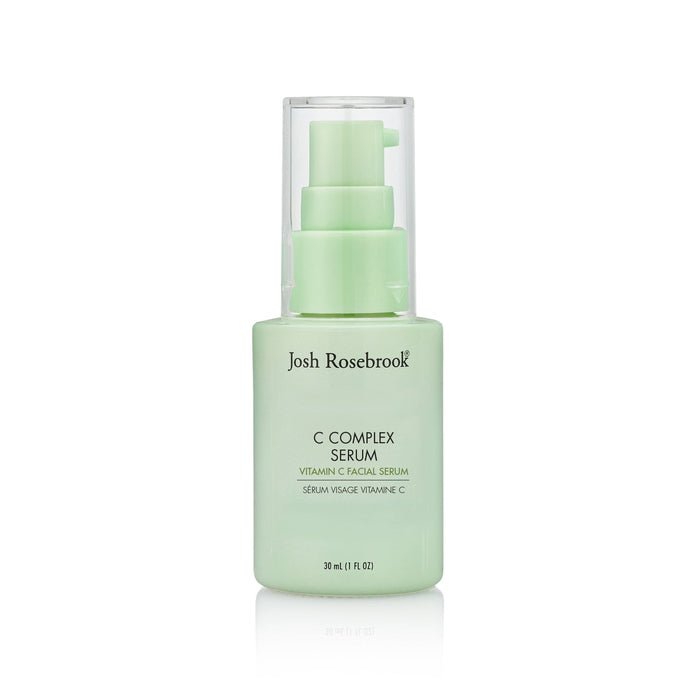
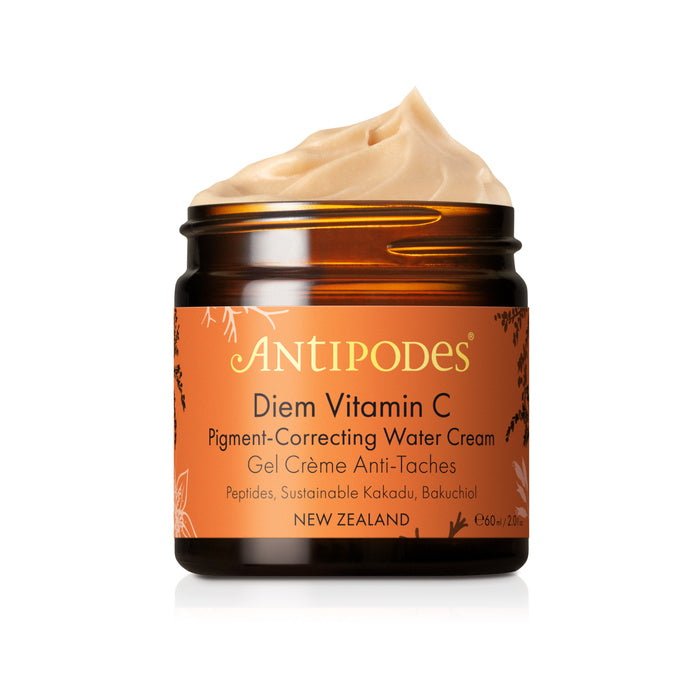
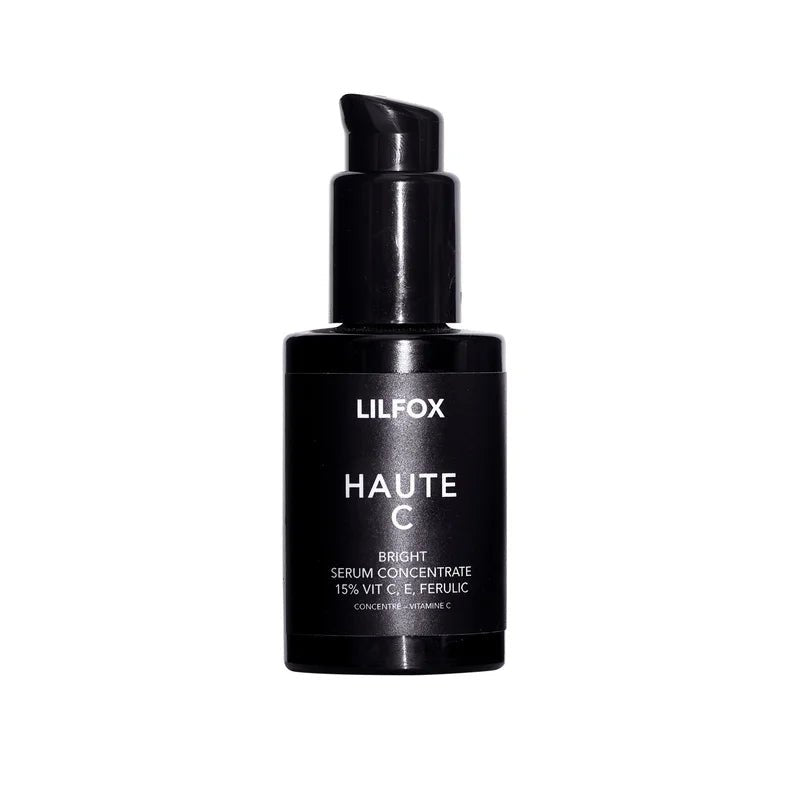
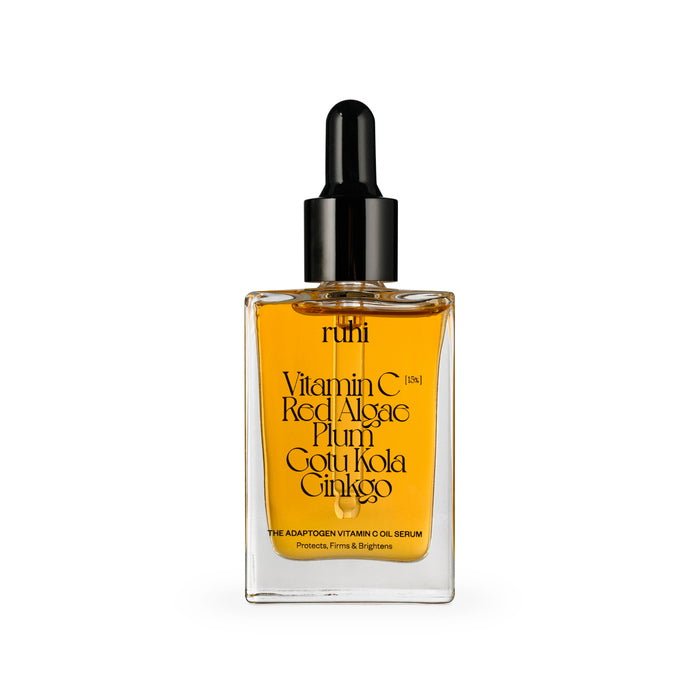
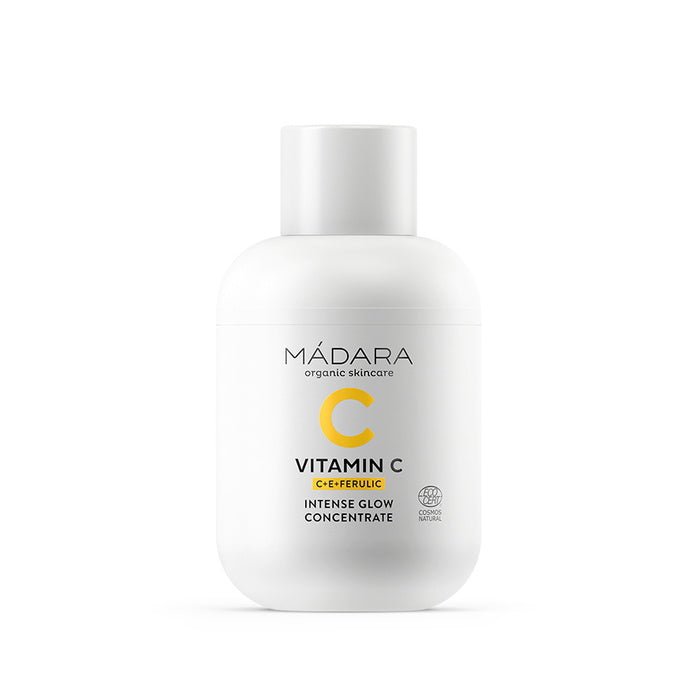
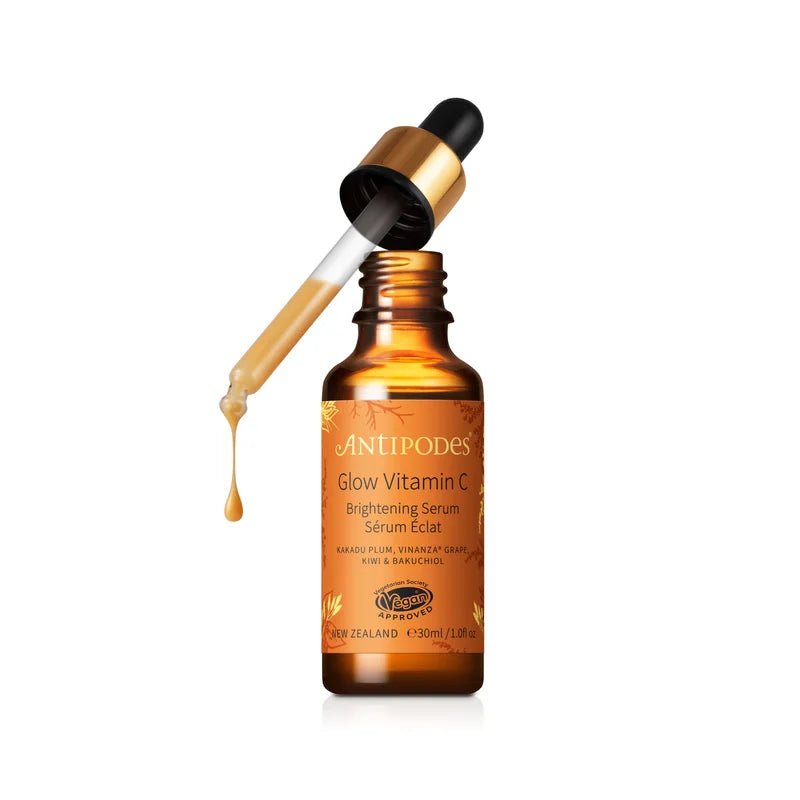
- Vitamin C supports the skin against oxidative stress, revitalizes tired-looking skin, and can help visibly even out the appearance of dark spots.
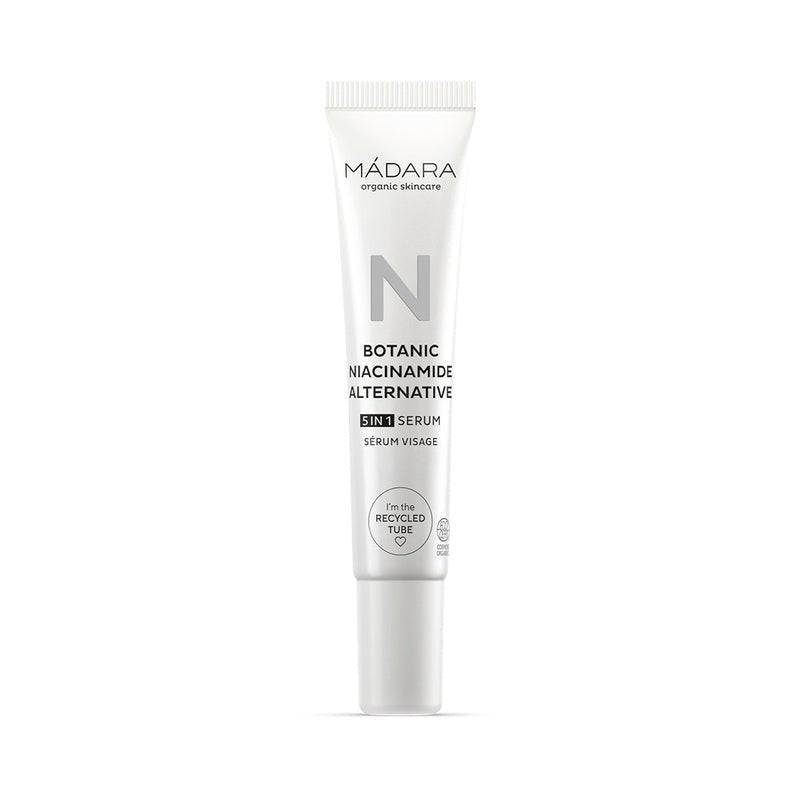
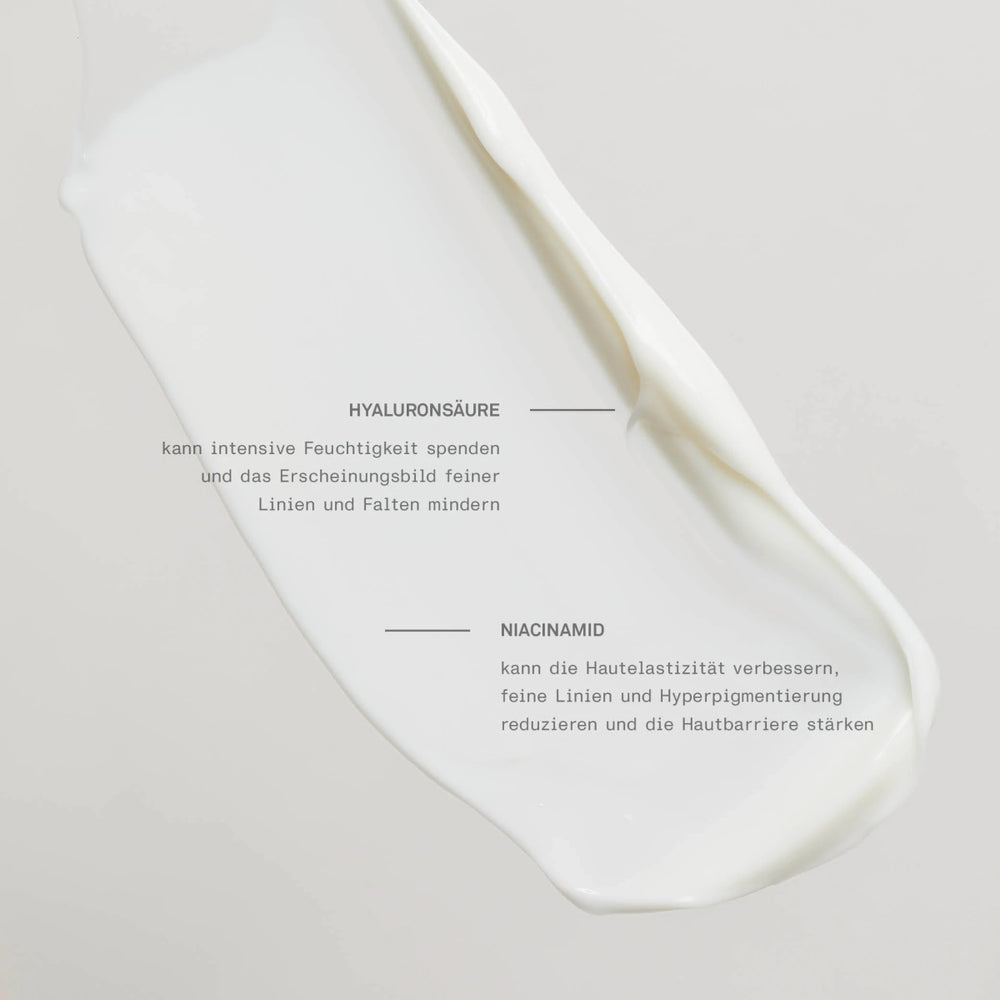
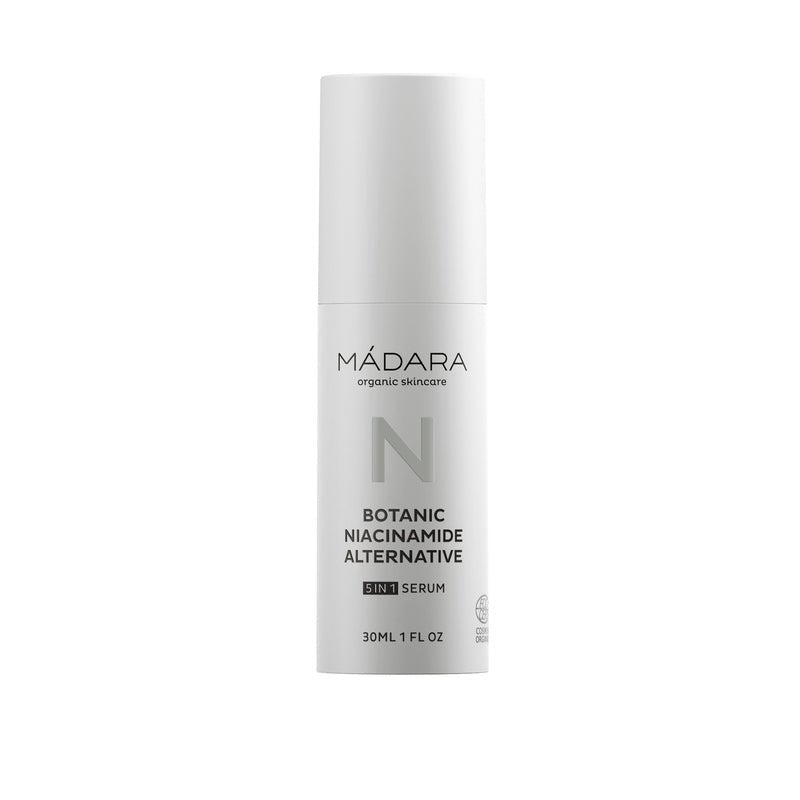
- Niacinamide is a good choice if the skin tends to blemishes, redness, or a weakened barrier. It supports a calmer, more even complexion, strengthens the skin barrier, and fits well into routines for dark marks or uneven skin tone.
- Bakuchiol and Retinoid Alternatives are suitable for skin that should appear smoother and finer. They support skin renewal, can improve the appearance of lines and unevenness, and are interesting when pigmentation spots occur with mature, dry, or textured skin.
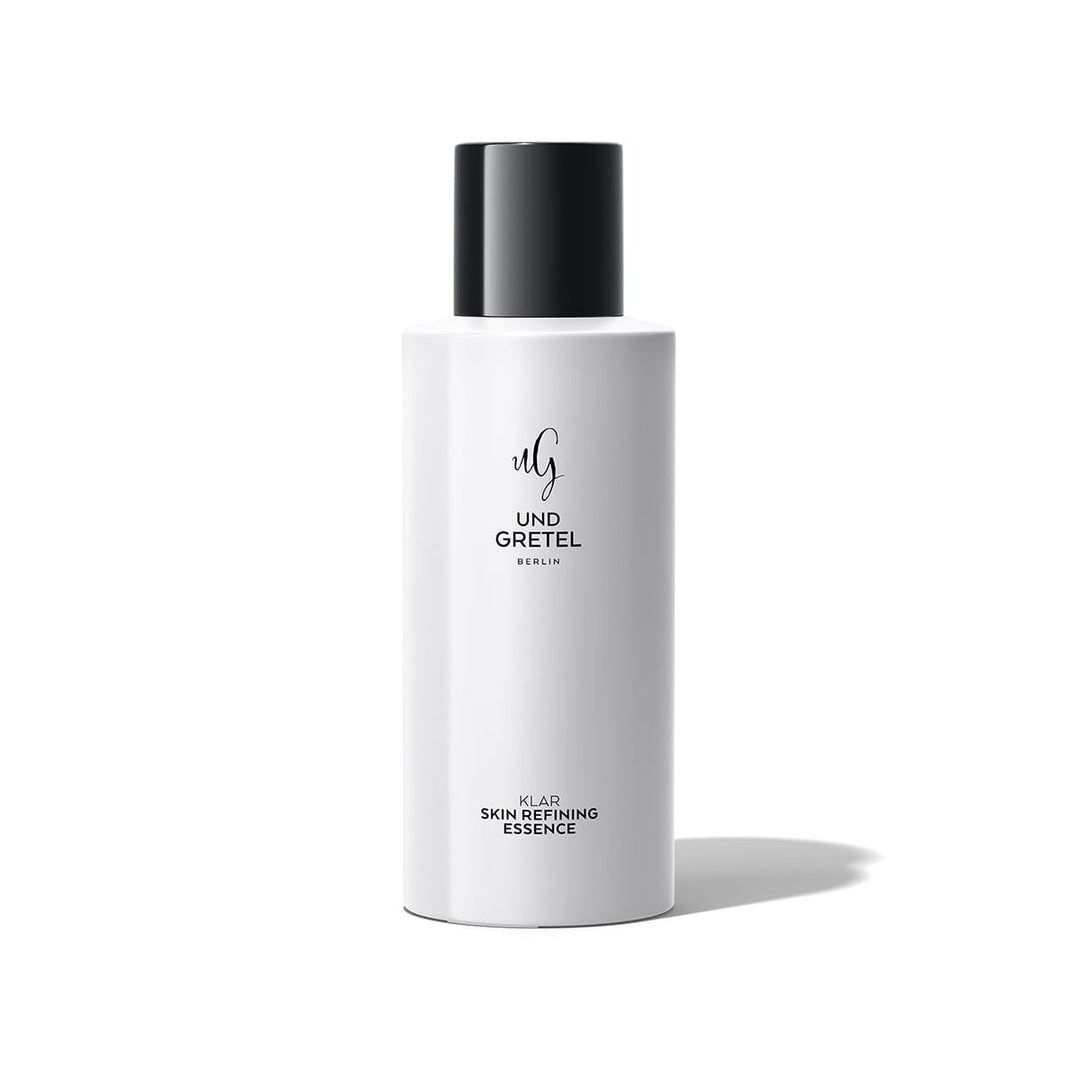
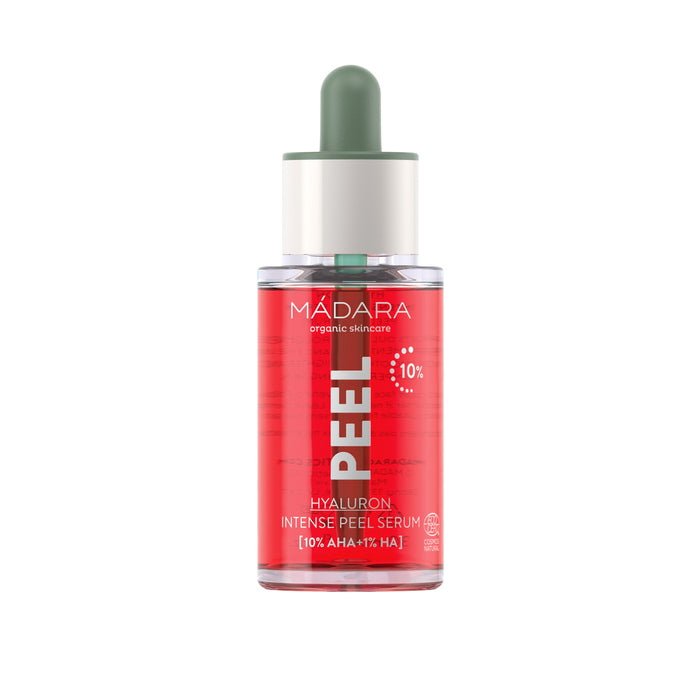
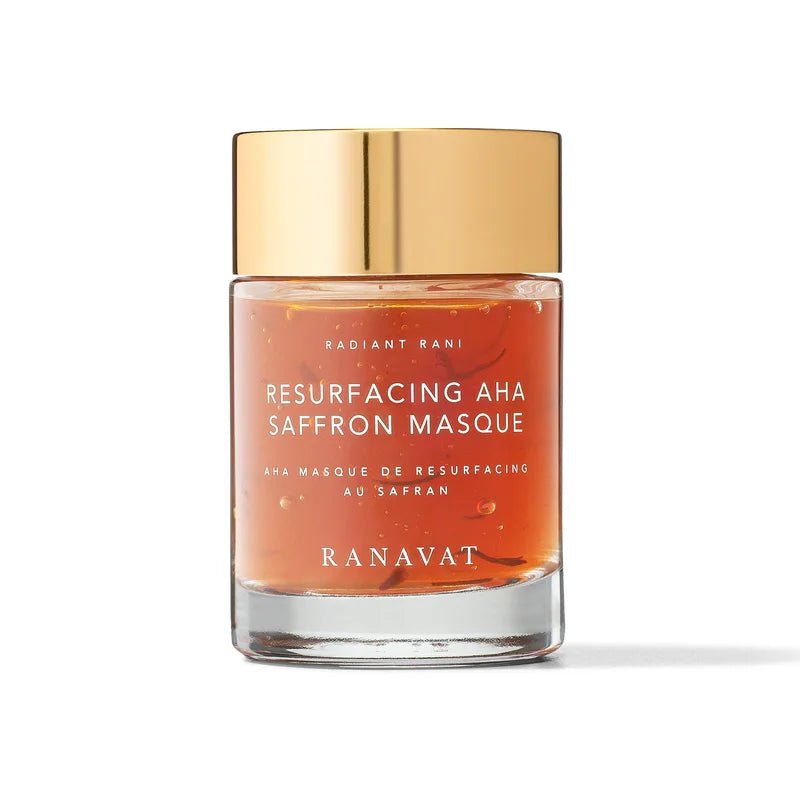
- AHA, PHA, and Enzymes gently dissolve dead skin flakes from the surface. This makes the complexion look fresher, care products can be better absorbed, and dark spots appear less dominant over time. A gentle dosage is important: peels should not irritate the skin but refine it evenly.
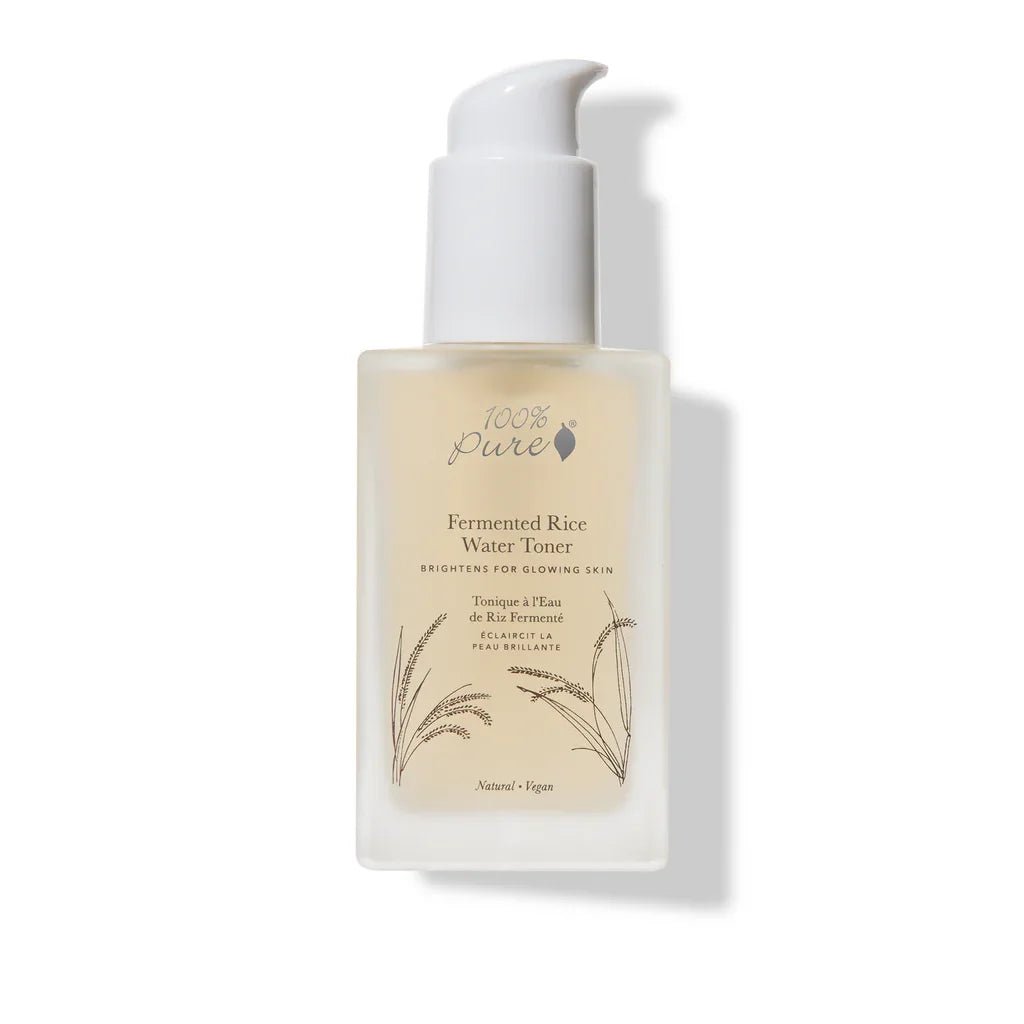
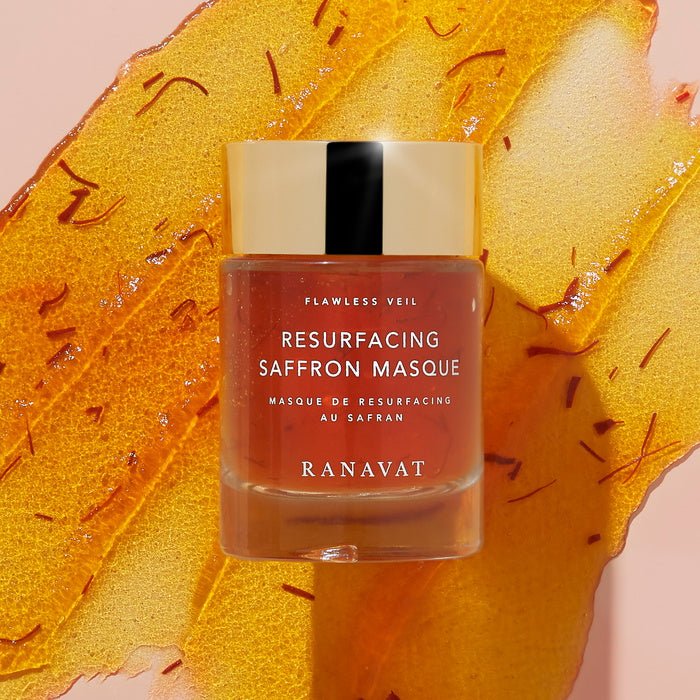
- Plant Extracts like Saffron, Licorice, Rice, Fruit Extracts, or Antioxidant Berry Extracts complement the care meaningfully. Saffron is a traditional ingredient in Ayurvedic-inspired skincare for more radiance and a more even-looking complexion. In combination with antioxidant and balancing plant extracts, it can help make dull, uneven skin appear fresher and clearer without unnecessary strain.
The Right Routine for Hyperpigmentation
Care for hyperpigmentation works best when applied regularly and without overwhelming the skin. A clear routine with antioxidant protection, moisture, gentle renewal, and daily UV protection is crucial.
-
Morning: antioxidant protection
A serum with Vitamin C, Niacinamide, or plant-based brightening ingredients is a good first step. It supports a fresher, more even complexion and helps the skin better cope with oxidative stress. -
Then: moisture and barrier strengthening
A suitable moisturizer keeps the skin supple, supports the skin barrier, and ensures that active ingredients are well integrated into a balanced routine. -
During the day: don’t skip sun protection
UV radiation is one of the main factors that can make pigmentation spots appear darker or promote new discolorations. Even the best care against pigmentation spots can only reach its potential if the skin is protected daily from UV radiation. More about which sunscreens and UV filters are suitable for daily routines is explained in our sun protection guide. -
Evening: targeted care and renewal
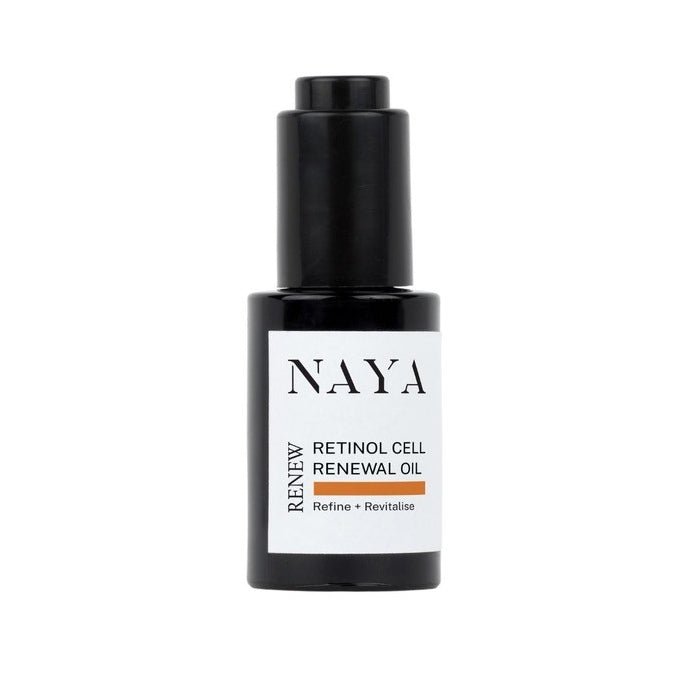
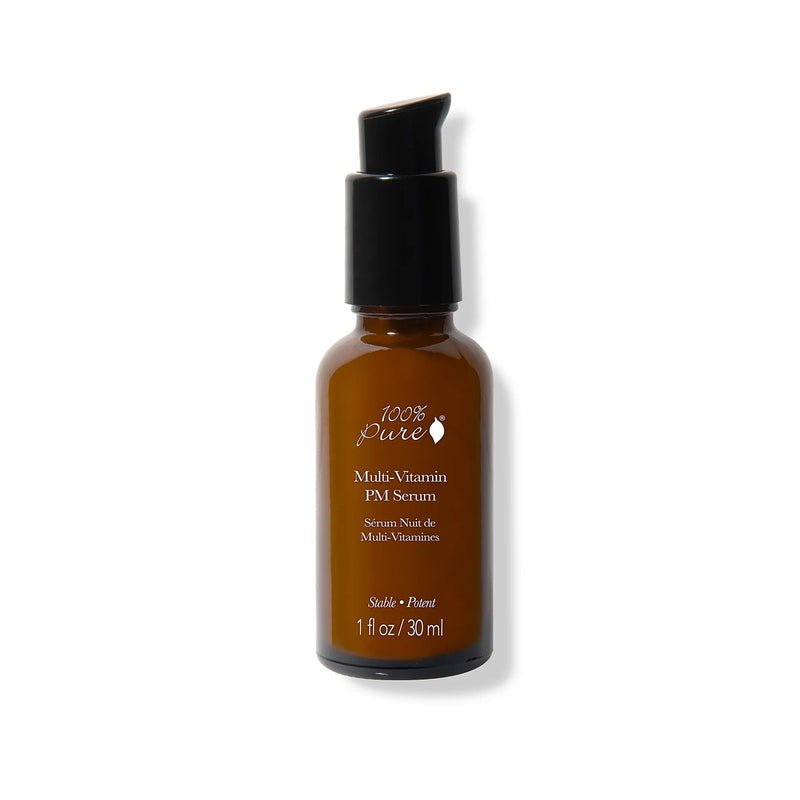
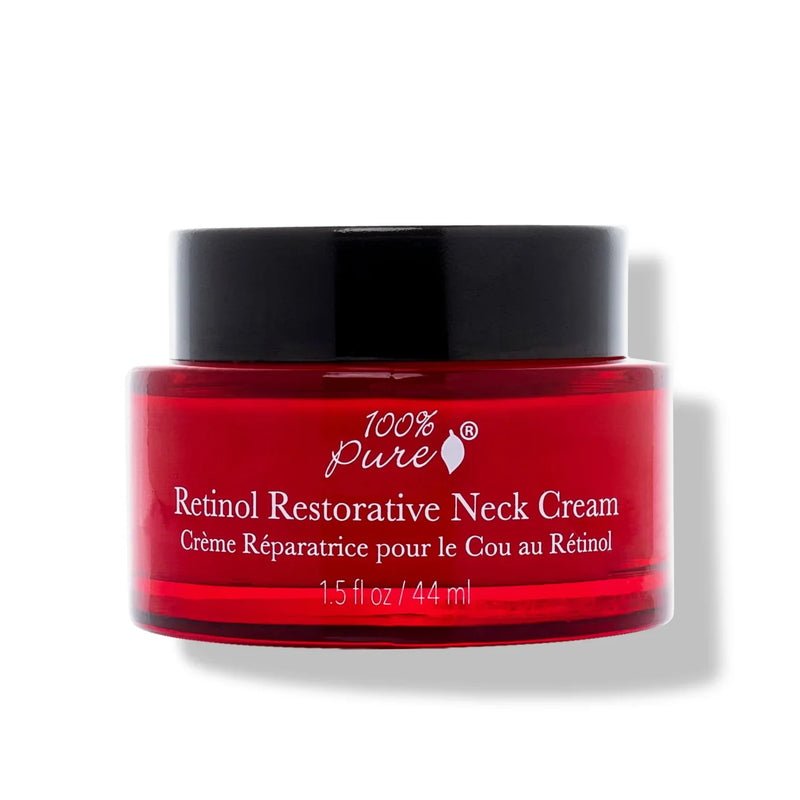
Depending on skin type, a retinal or bakuchiol serum, a gentle fruit acid serum, or a soothing cream fits well in the evening. Active ingredients should be introduced slowly and not combined too strongly—especially with sensitive skin. -
Once or twice a week: gentle refinement
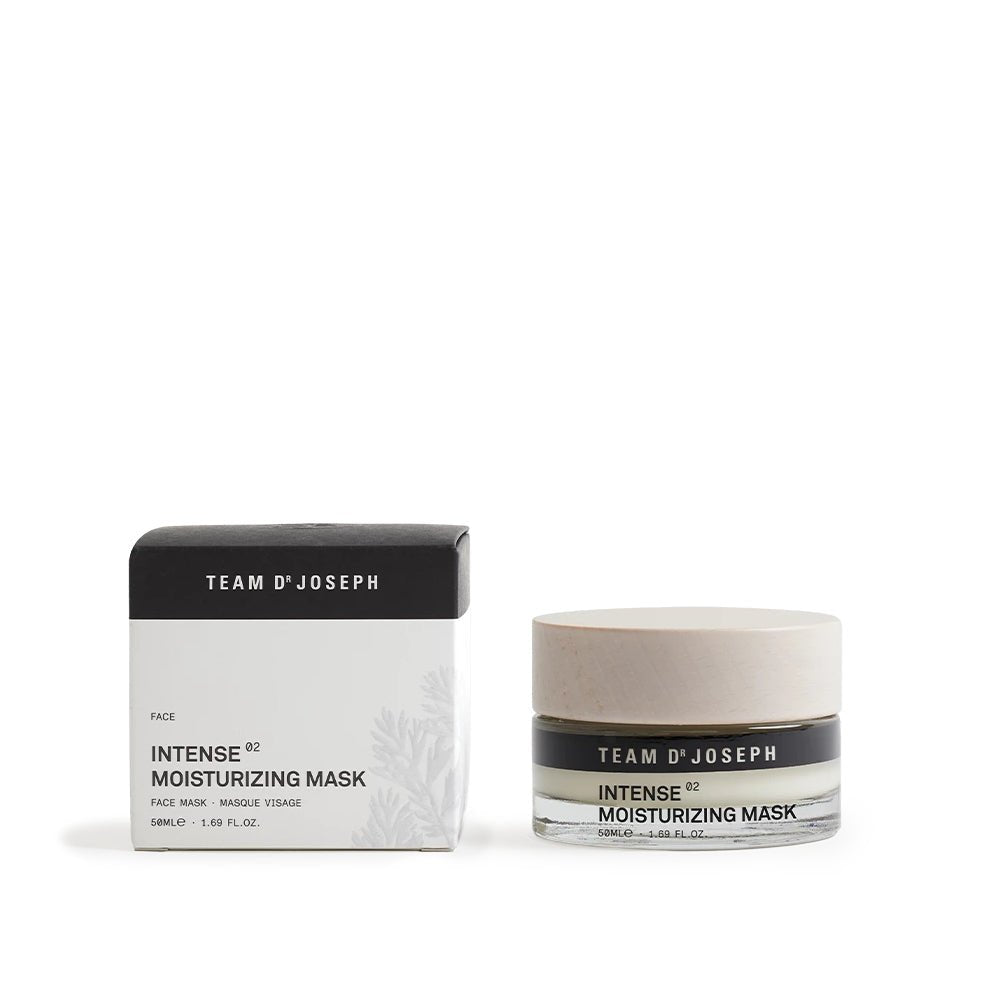
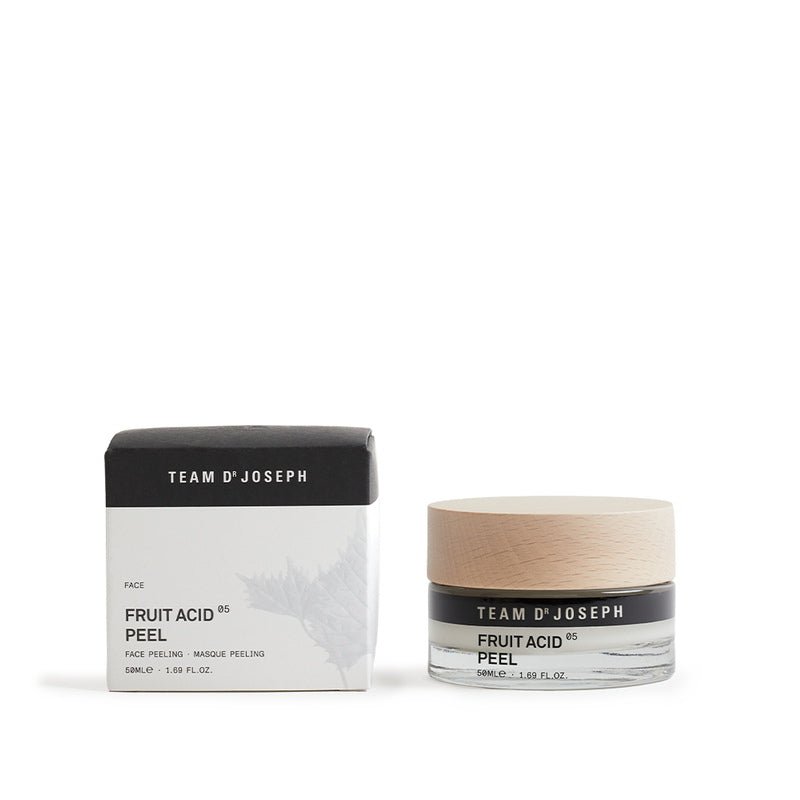
Masks or peels can complement the routine. AHA or enzyme peels help make the skin surface appear smoother. Moisturizing masks and soothing care are useful when the skin needs more comfort after active ingredients.
Care for Dark Marks and Dark Spots After Blemishes
Dark spots after pimples often occur when the skin produces more pigment after inflammation. They differ from active blemishes: the inflammation has healed, but the spot remains visible. Here, a combination of soothing care, gentle exfoliation, and balancing active ingredients is ideal. Niacinamide, Vitamin C, PHA, azelaic acid-like plant ingredients, licorice, or mild retinoid alternatives can help make the complexion clearer and more even.
It is important not to overcare the skin. Too many active products at once can cause irritation—and irritated skin tends to develop new discolorations more quickly. A clear routine with few, well-chosen products applied regularly is better.
Natural Cosmetics Against Pigmentation Spots: Our Selection
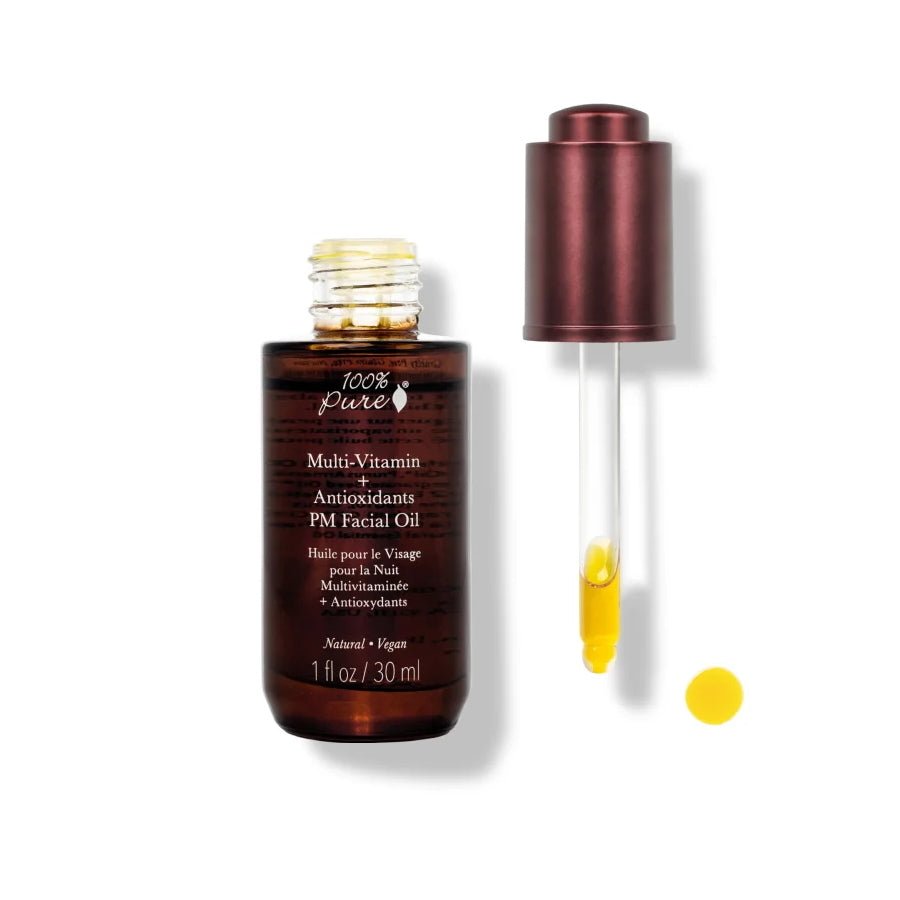
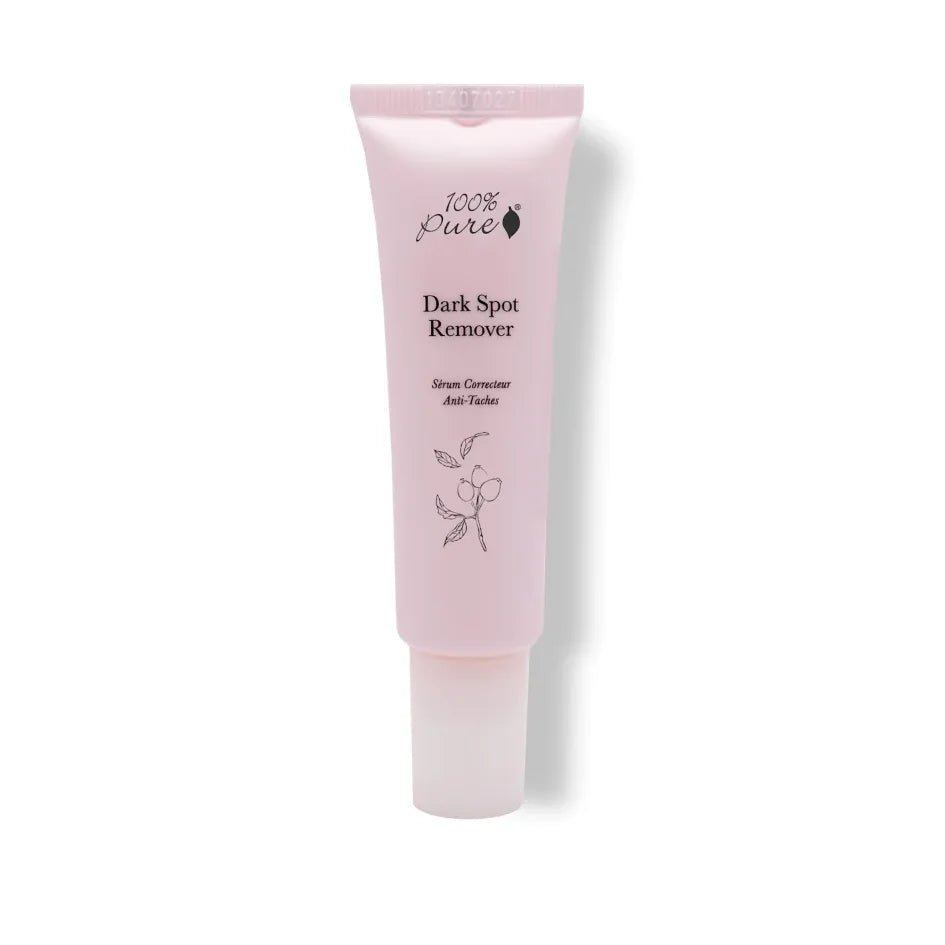
In this category, you will find selected natural cosmetics for pigmentation spots, hyperpigmentation, dark marks, and uneven skin tone. The selection ranges from Vitamin C serums and brightening creams to toners and peels, as well as nourishing oils, masks, and targeted night care. Depending on skin type, you can build your routine gently, activating, or regenerating.
For oily, blemish-prone, or dark mark-prone skin, light serums, toners, and not too rich creams are suitable. Dry or mature skin benefits from more nourishing textures, facial oils, and ingredients that support moisture, smoothness, and elasticity. Sensitive skin should integrate active ingredients slowly and focus on a stable barrier.
Natural cosmetics against pigmentation spots at Blanda Beauty do not mean aggressively lightening the skin. It’s about a cared-for, more even radiance, more calmness in the complexion, and a routine that works long-term. With patience, daily sun protection, and suitable active ingredients, the skin can appear clearer, fresher, and more even.
Frequently Asked Questions About Pigmentation Spots and Hyperpigmentation
What helps against pigmentation spots on the face?
Consistent care with Vitamin C, Niacinamide, Bakuchiol, gentle peels, and antioxidant plant extracts can help make the skin tone appear more even. Daily sun protection is also important, as UV radiation can intensify pigmentation spots.
Which serum is suitable for pigmentation spots?
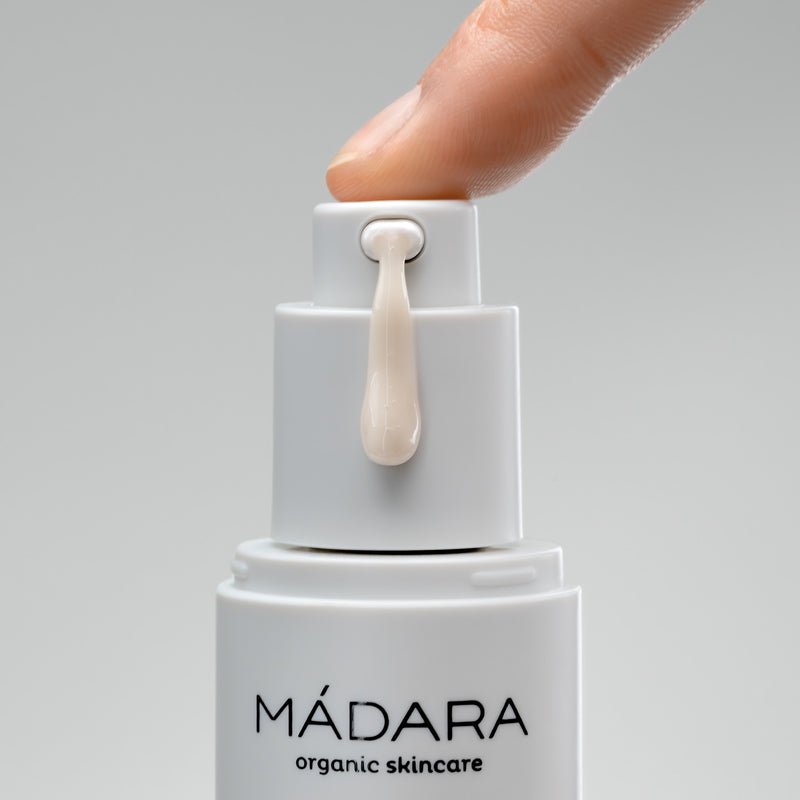
A serum against pigmentation spots can contain Vitamin C, Niacinamide, Bakuchiol, Retinal, fruit acids, or plant-based brightening ingredients depending on skin type. Light serums are well suited for oily or blemish-prone skin, richer oil serums are better for dry or mature skin.
What helps with dark spots after pimples?
For dark marks, soothing, balancing, and mildly exfoliating ingredients are useful. Niacinamide, Vitamin C, PHA, AHA, or Bakuchiol can gradually make the complexion appear more even. The skin should not be irritated or dried out in the process.
Is sun protection necessary for hyperpigmentation?
Yes. Sun protection is one of the most important steps for hyperpigmentation. UV radiation can make pigmentation spots appear darker and promote new discolorations. Therefore, broad-spectrum sun protection should be integrated into the routine during the day.
How long does it take for care against pigmentation spots to work?
Pigmentation spots change slowly. First improvements in glow and evenness can be visible earlier, but darker spots usually require several weeks to months. Regular application, a stable skin barrier, and consistent UV protection are crucial.