




Nail care: What really helps against brittle fingernails?
|
|
Time to read 7 min






|
|
Time to read 7 min
Beautiful, long nails that never break or split and are perfectly polished – who doesn’t want that? Unfortunately, the path to perfect fingernails is often difficult because not every nail is the same. While some suffer from nails that break often, others struggle with soft nails and splitting tips. But no matter what nail type you have: with the right care, you can strengthen your nails and make them look healthier.
Table of contents
Not all nails are the same: just like skin, nails come in different types that require different care. While some nails are naturally hard and stable, others are soft, flexible, or prone to dryness and brittleness. Common problems like tearing, splitting, or ridges are not only related to external factors but also to the individual nail structure. Tailoring your nail care to your own nail type can greatly help make your nails stronger, smoother, and more resilient.
Hard nails appear healthy at first glance, are thick and firm, but tend to break suddenly under lateral pressure or impact. Brittleness increases especially in cold or dry heated air. Frequent soaking in water can be problematic here, as nails become brittle and prone to cracking due to constant swelling and drying.
Soft nails, on the other hand, are very flexible and elastic but often tear at the sides or peel off in layers, also called nail splitting or onychoschisis. Due to their flexibility, they initially seem stable but tend to bend or wear down during everyday activities like typing on a keyboard or cleaning. Frequent hand washing, prolonged contact with water, or regularly wearing latex or rubber gloves can further weaken them, as the nail keratin softens and the nail structure becomes even softer.
Dry, brittle nails are usually thin, show visible longitudinal ridges, break or split easily, and often feel rough. They often lack moisture or nutrients. Mixed forms are also possible and can result from external factors such as frequent hand washing, disinfecting, or improper care. To choose the right care, it is important to recognize your nail type and address it specifically.
The foundation of any good nail care is proper preparation. When trimming nails, the question arises: cut or clip? While clippers are practical, they can cause splitting in nails with a delicate structure. Many also opt for a nail scissors, especially for thinner or softer nails. A sharp, well-made scissor can actually be gentler than clippers because it doesn’t compress the nail as much. However, it is important that the cutting edge is clean and even; otherwise, small cracks or uneven edges can occur. For firm or thick nails, scissors are often too weak. The gentlest method is shaping nails with a file, always filing in one direction to avoid tearing.
When choosing a file, the material matters: Metal files are sturdy but can roughen the nail plate. Sandpaper files are better suited for normal nails, and glass files are ideal for sensitive, brittle, or split nails because they are especially gentle.
Pushing back the cuticles should also be done gently, preferably after showering or a hand bath when the skin is soft. Special tools with rounded tips are suitable for pushing back cuticles. It is important that the tool is gentle on the skin and has no sharp edges to avoid micro-injuries. Extreme caution is required when cutting cuticles, as this can lead to small wounds, infections, or ingrown nails.
Whether you should polish your nails depends on their condition: For smooth nail surfaces, occasional gentle polishing is enough to add some shine. For brittle or thin nails, polishing is rather counterproductive, as it further wears down the top keratin layer. Polishing should also be avoided after removing artificial gel or acrylic nails.
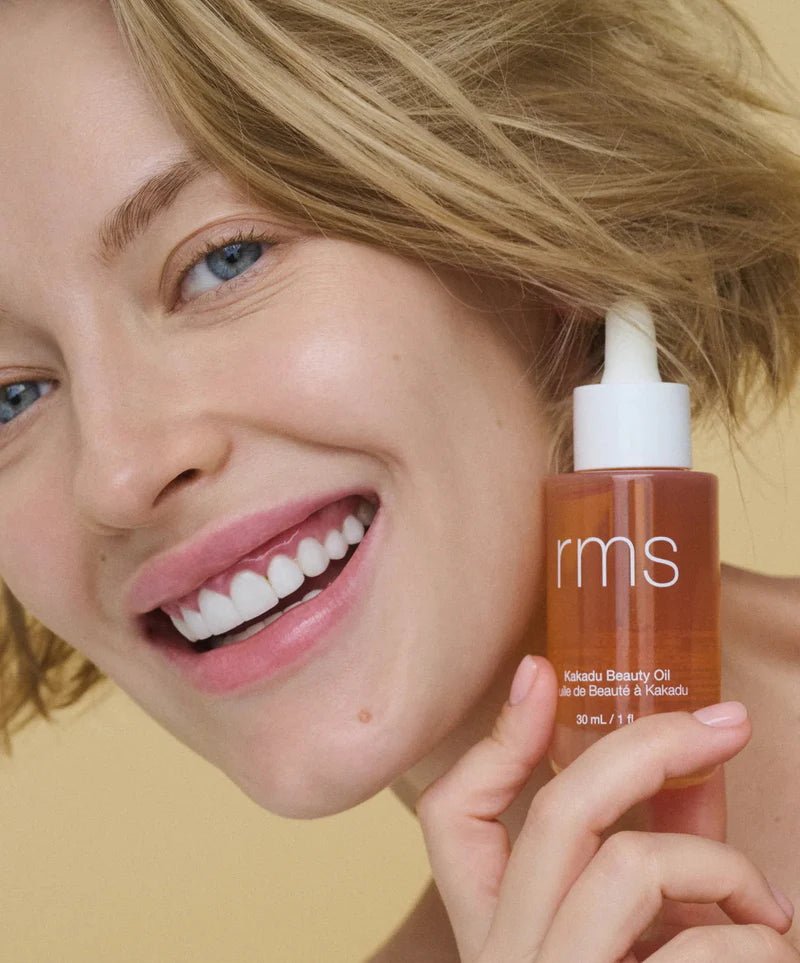
Oil is a true all-rounder in nail care and supports not only the nails themselves but also the surrounding cuticles. Especially popular are almond, castor, jojoba oils, and vitamin E oil. Jojoba oil resembles natural skin fat and absorbs quickly without feeling greasy, while vitamin E acts as a strong antioxidant that protects cells and promotes regeneration. For hard, dry, or brittle nails, these oils are ideal to improve flexibility and prevent cracks. In general, you can also use your facial oil as nail oil—because what’s good for the face can’t harm the nails!
Nail serums are specially formulated for problems like nail splitting or brittle layers. They contain a combination of moisturizing, strengthening, and regenerating ingredients, including proteins and oils. Proteins strengthen the nail plate from within and help prevent cracks and layer separation. Hyaluronic acid and glycerin provide intense moisture through their water-binding properties, improving the elasticity and flexibility of the nails.
For weekly intensive care, oil baths are suitable, where the fingertips are dipped in warm oil for a few minutes, deeply nourishing and strengthening the nails. Simply add some nail oil or a few drops of your facial oil to a bowl and warm it in a water bath or briefly in the microwave until the oil is pleasantly warm. After the bath, the nails and cuticles can be gently massaged to promote blood circulation and enhance the care effect. Then moisturize your hands with a rich hand cream.
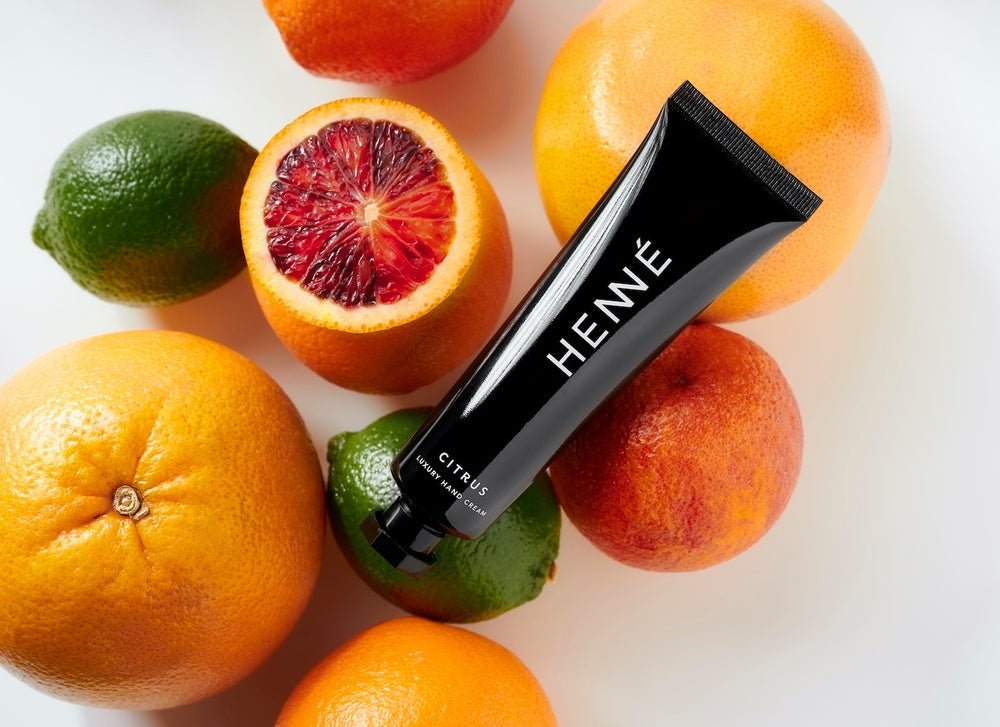
In general, frequent hand moisturizing is recommended to keep the skin and cuticles supple and to prevent the nails from drying out. Especially after washing your hands or after contact with cleaning agents, you should care for your hands and nail edges with a rich hand cream, a special cuticle balm, or a few drops of nail oil. This supports the natural moisture balance and effectively prevents brittle, fragile nails.
Whether a nail hardener is useful depends greatly on the individual nail type. For soft, splitting, or flexible nails, special hardeners can provide helpful support by forming a firm, protective layer on the nail plate. However, caution is advised: too frequent use or choosing a product unsuitable for your nail type can make nails even more brittle. Those with hard fingernails that break easily should avoid strongly hardening products. Instead, simply apply a base coat without hardening effect to protect your nails from external influences, especially water.
In conventional cosmetics, formaldehyde was previously used in nail hardeners, but fortunately, it has been banned since 2019. It is considered harmful to health and can cause allergies or even cancer. Additionally, conventional nail hardeners often contain substances like nitrocellulose, synthetic resins, plasticizers, and silicones, which form a hard protective layer but include concerning chemicals that are harmful to people and the environment.
Natural cosmetic nail hardeners rely on gentler formulas and combine nourishing ingredients like vitamin E, vitamin A, and plant oils with regenerating extracts, for example from açai or algae. Acids such as malic acid, glycolic acid, and lactic acid regulate pH and keep the nail bed healthy. Moisturizing ingredients like vitamin B5 help keep the nail flexible while strengthening it. This is perfect for soft, easily splitting as well as dry fingernails with deep ridges to strengthen them.
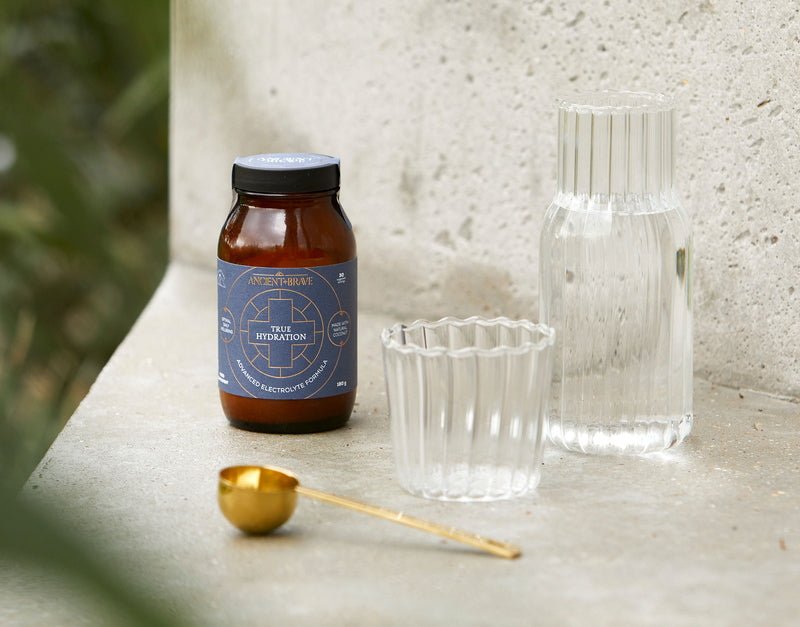
Similar to skin and hair, you can support nail health with supplements. Especially important are biotin (vitamin B7), which promotes nail growth, as well as zinc and iron, which counteract brittle nails. Vitamin C also supports collagen production, stabilizing the nail structure and making nails more resilient.
If you have particularly brittle nails that show no improvement even with an extensive nail care routine and supplements, you should make an appointment with your doctor. Because in some conditions like thyroid problems or anemia, extremely dry, brittle nails with deep grooves are part of the symptoms.
To keep your nail polish looking beautiful and chip-free for as long as possible, preparation is key: Clean, grease-free nails ensure better adhesion. It’s best to use a base coat that smooths the nail surface and protects against discoloration. Apply the color polish in thin layers and let each layer dry thoroughly before applying the next. A final topcoat seals the color, adds shine, and extends durability. Avoid stressing your nails immediately after painting to minimize scratches and chipping.
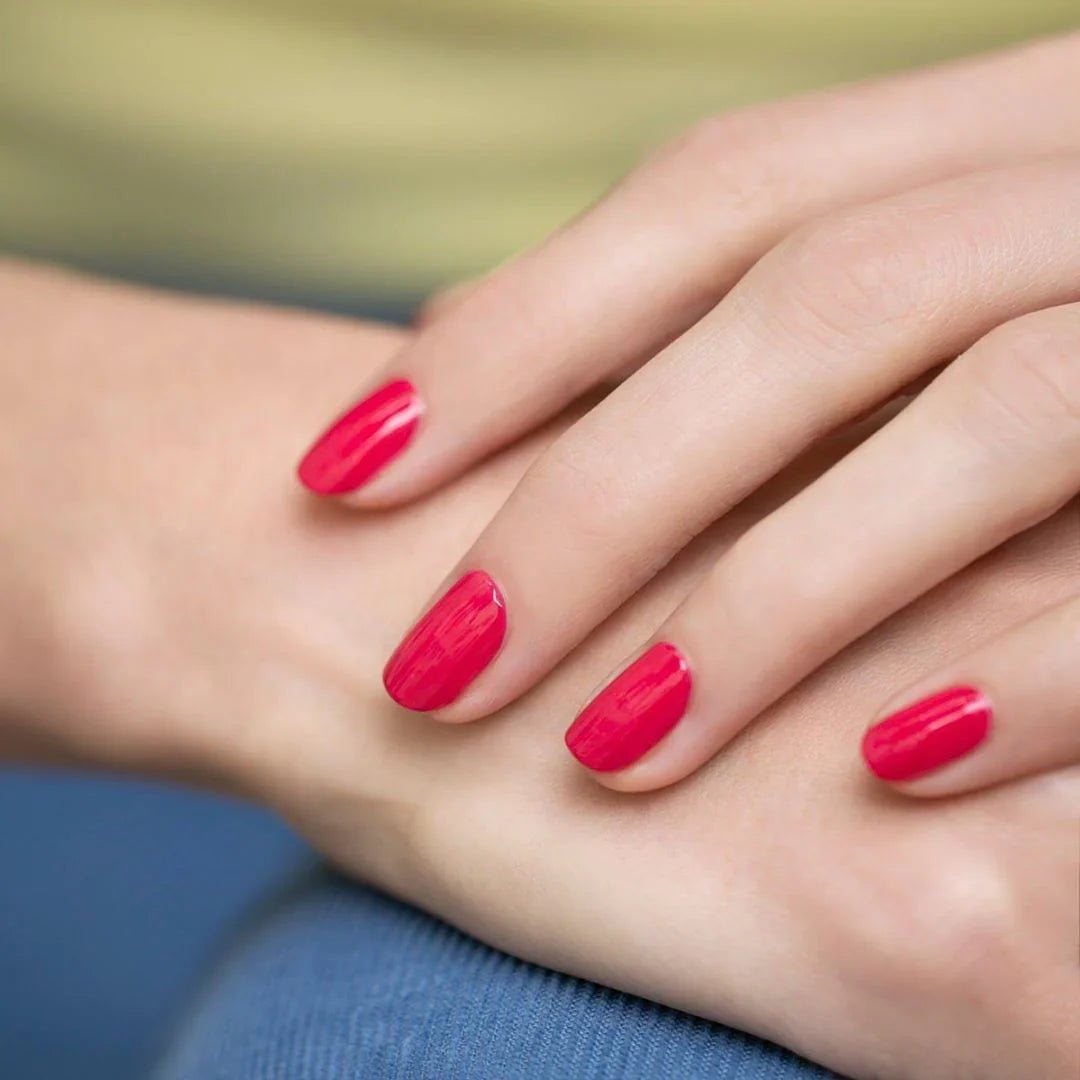
Currently, soft, natural nail polish shades are trending, with warm browns and gentle rose and nude tones also very popular. But for those who prefer something more striking, there are trendy colors like tomato red or butter yellow, perfect for pretty beach dresses or a city stroll. Metallic fans can shine with silver, which is making a comeback. “Natural Nails” — meaning well-groomed nails in a natural shape, subtly highlighted in color — are also on the trend radar for 2026. Our recommendation for muted, natural colors with special depth: Karolin van Loon.
With the right care and products tailored to your nail type, brittle nails can be effectively strengthened. Rich nail oils, moisturizing nail serums, natural cosmetic nail hardeners, and supplements support your nail health. This way, your manicure lasts longer while looking well-groomed and beautiful.


