

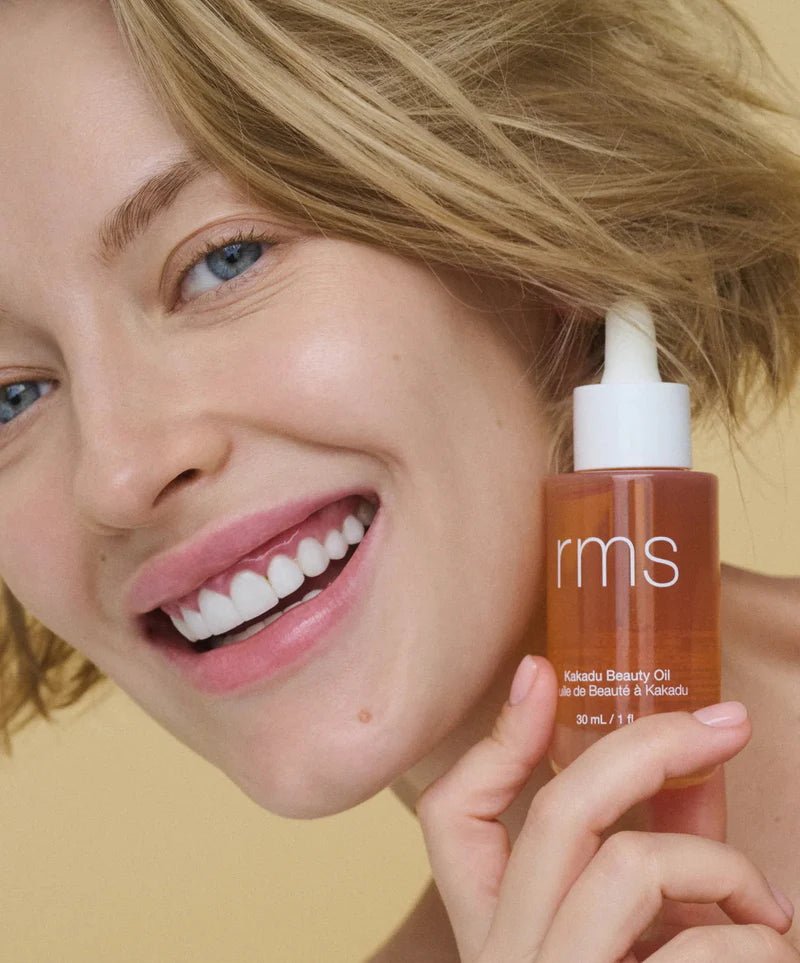
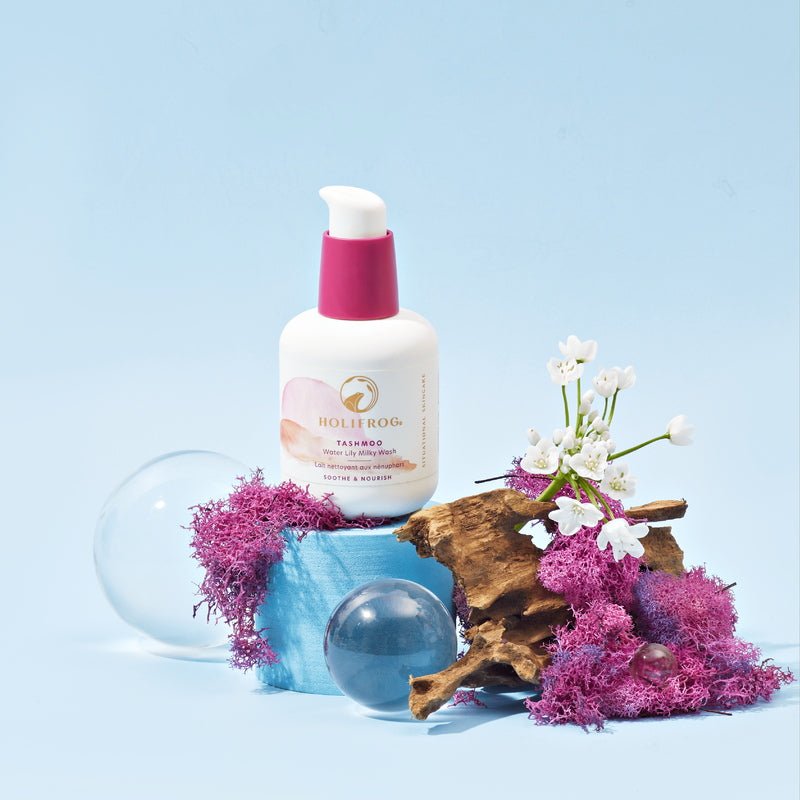
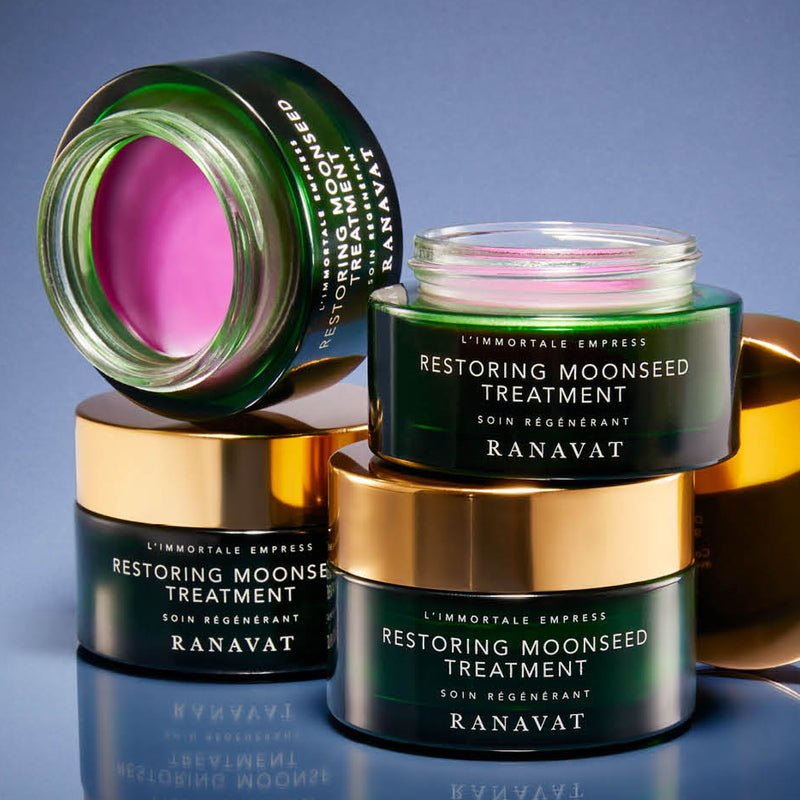

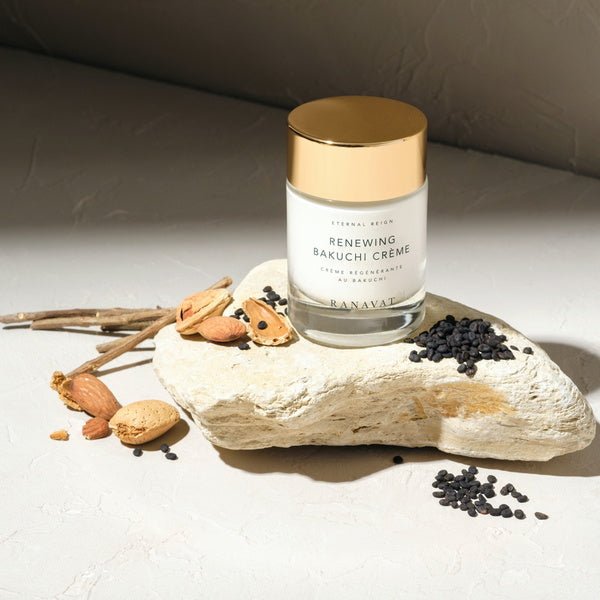



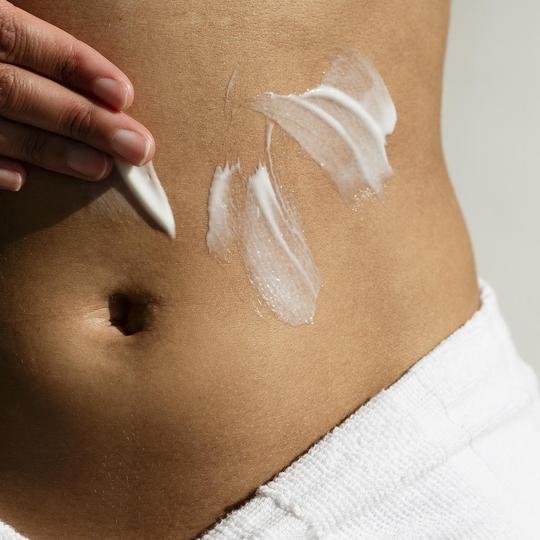





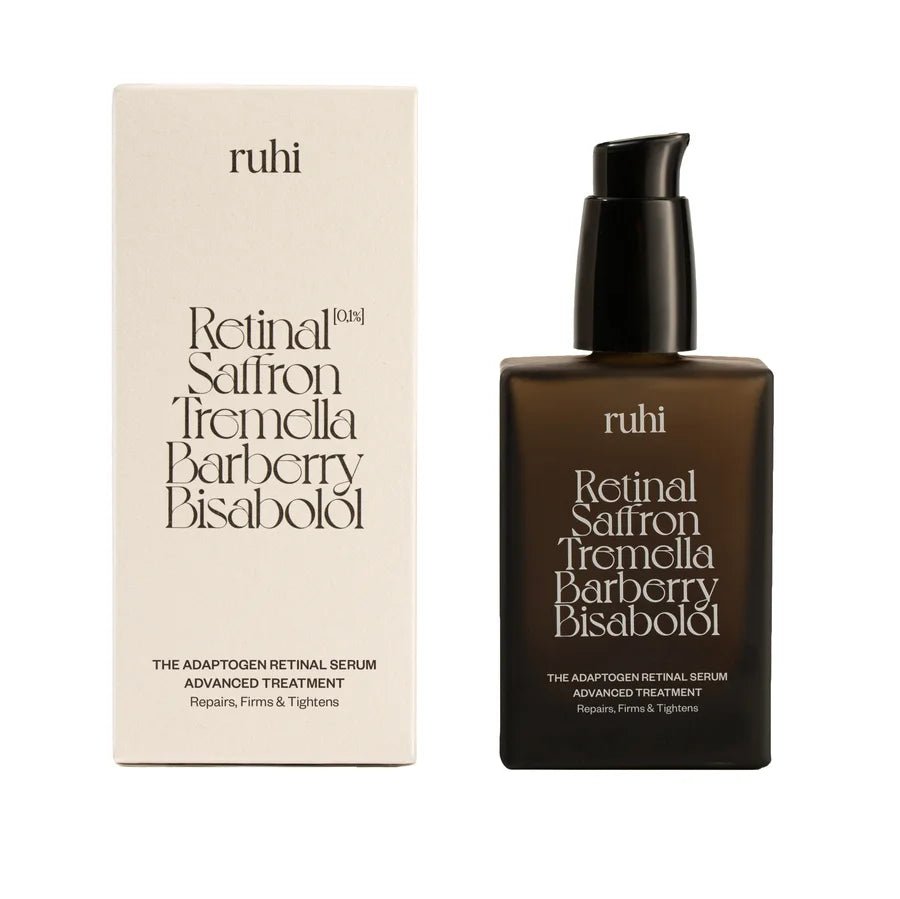
Retinal Serum und Retinol Pflege gehören zu den wirkungsvollsten Formen moderner Vitamin-A-Kosmetik. Sie unterstützen eine glatter wirkende Hautstruktur, können das Erscheinungsbild feiner Linien verfeinern und helfen dabei, den Teint ebenmäßiger erscheinen zu lassen. Bei Blanda Beauty finden Sie sorgfältig ausgewählte Retinoid-Produkte – von Retinal Serum über Retinol-Pflege bis hin zu sanfteren Retinol-Alternativen für eine bewusste Abendroutine. Retinal, auch Retinaldehyd genannt, ist eine aktive Vitamin-A-Form und liegt in der Umwandlungskette näher an Retinsäure als Retinol. Dadurch ist Retinal eine interessante Wahl, wenn eine gezielte, moderne Nachtpflege gesucht wird. Wichtig ist eine langsame Eingewöhnung: Starten Sie mit wenigen Anwendungen pro Woche und verwenden Sie tagsüber konsequent Sonnenschutz.


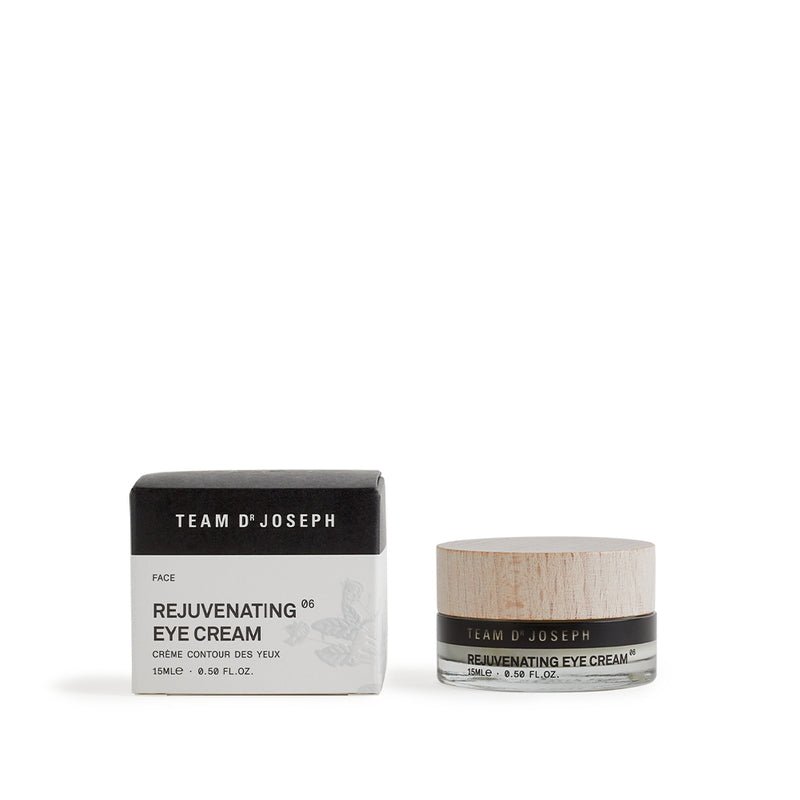
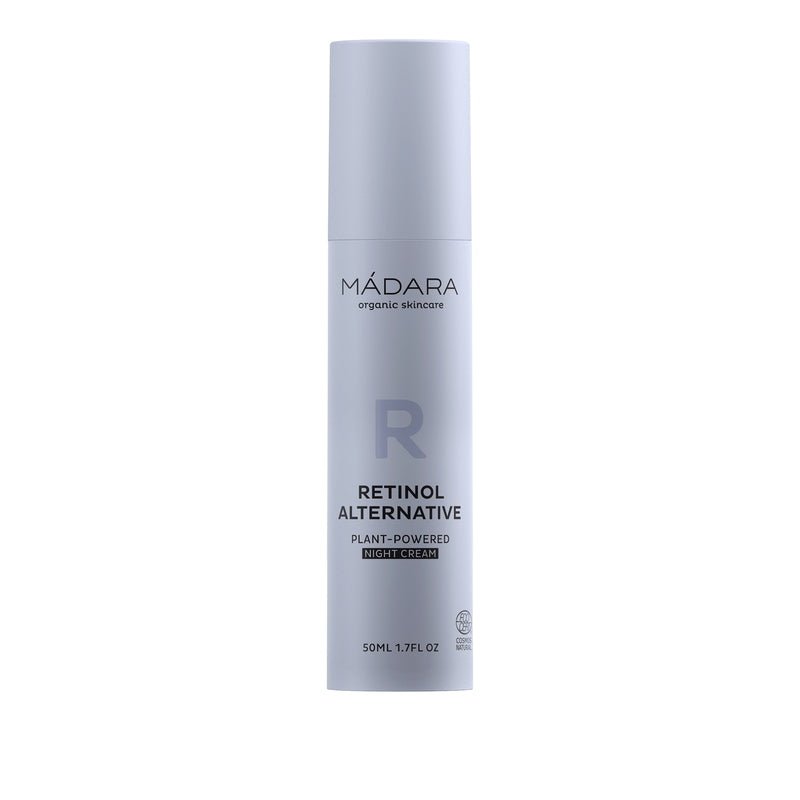
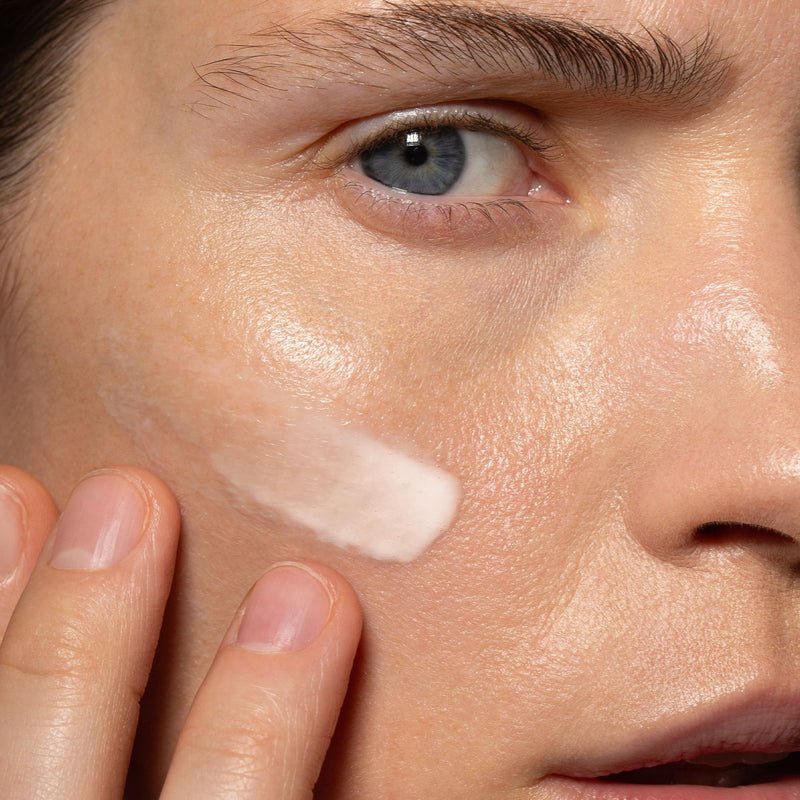





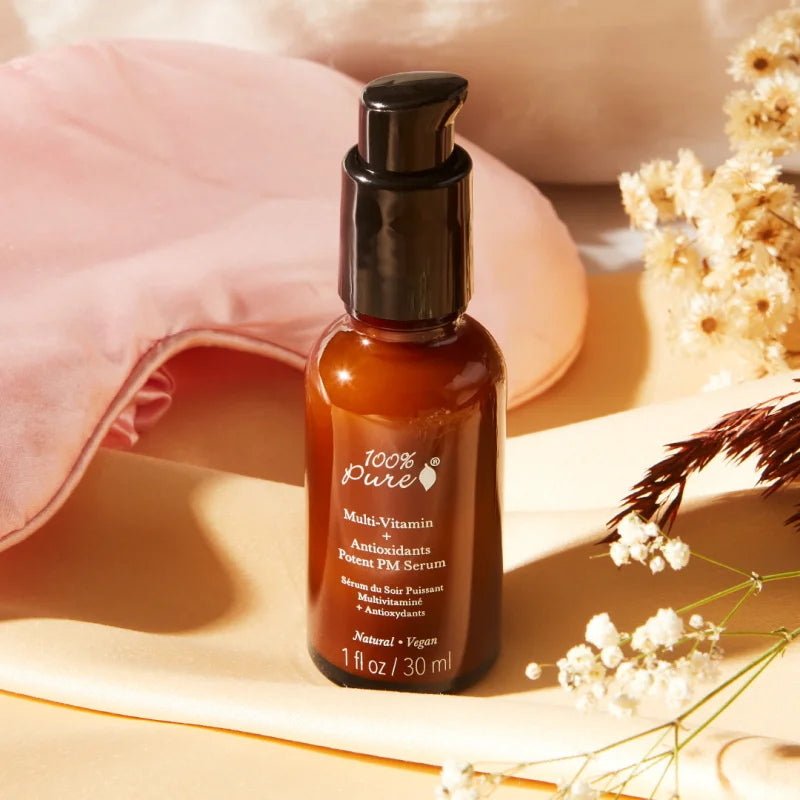
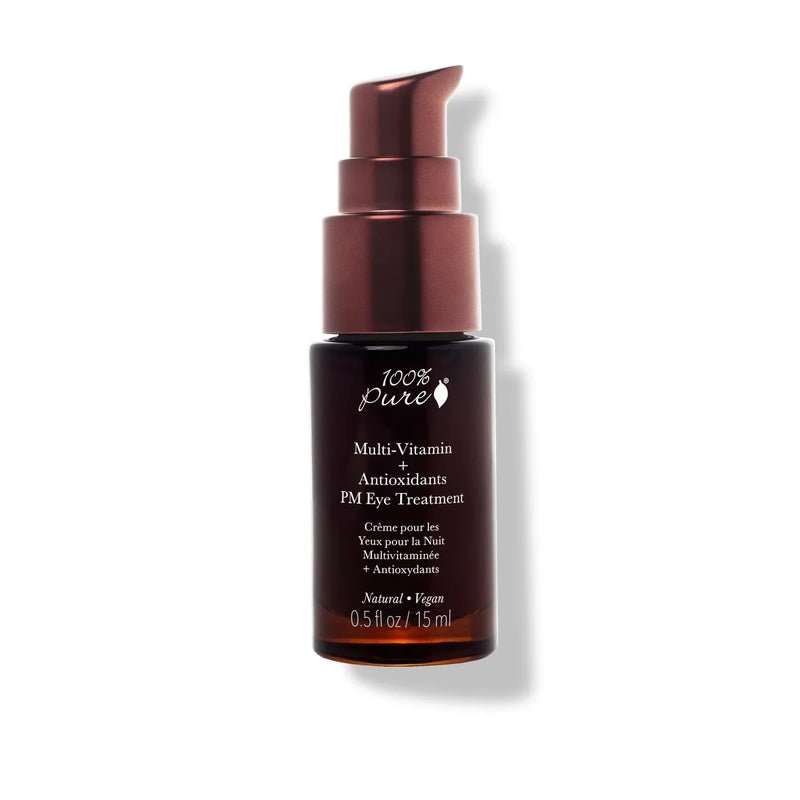
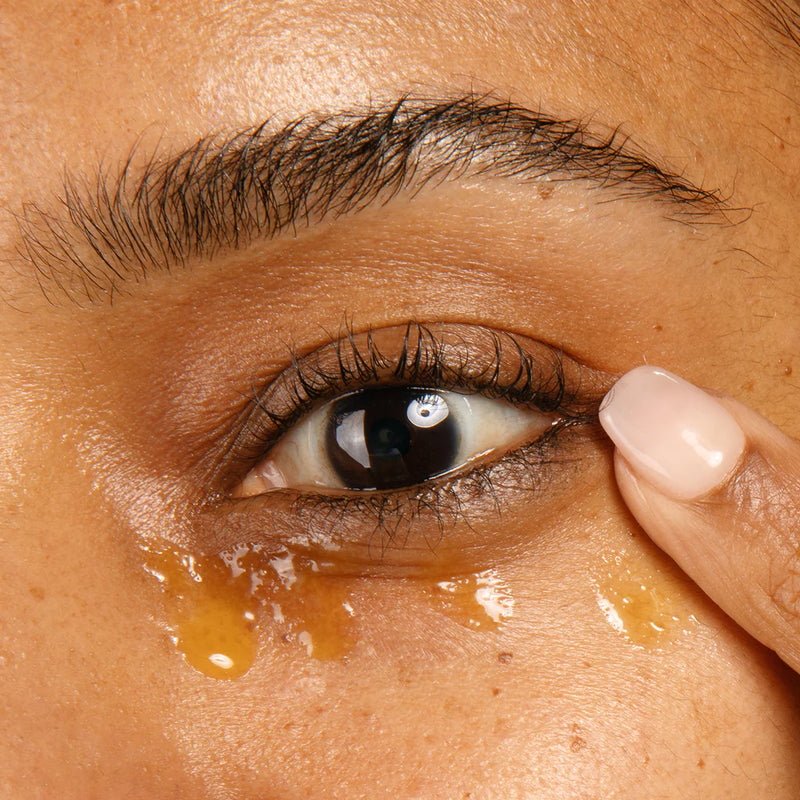
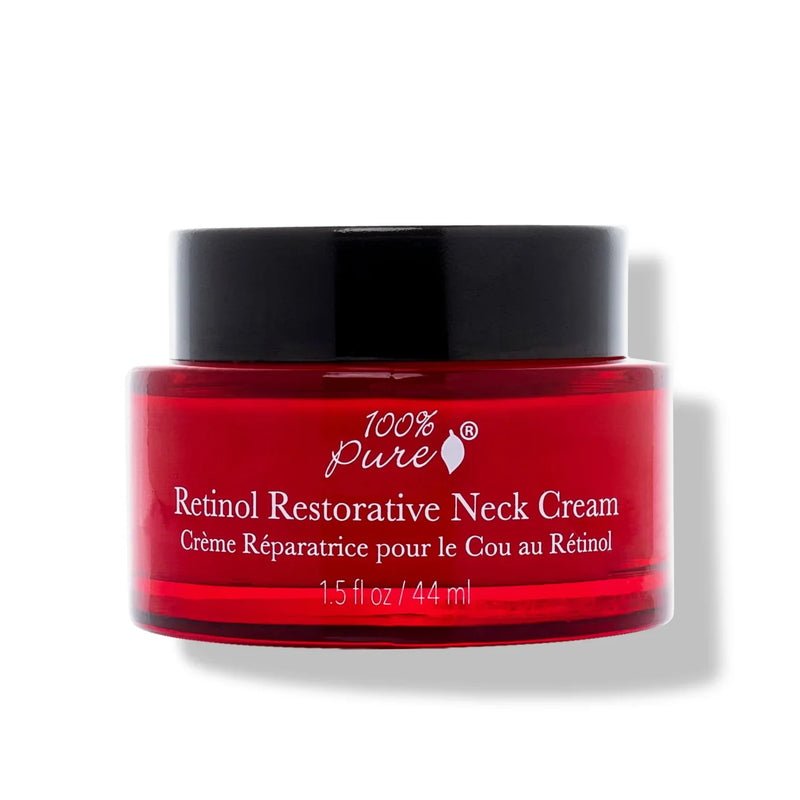
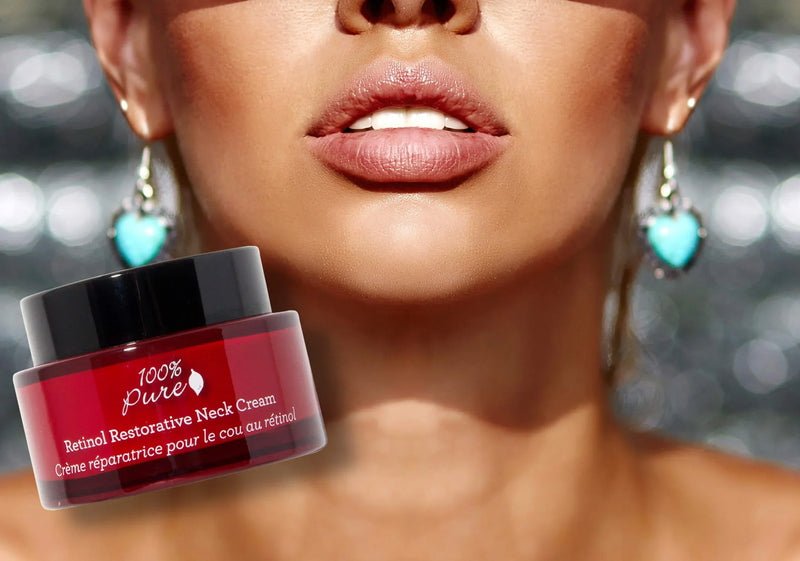
Retinal Serum & Retinol Care: Vitamin A for Smoother-Looking Skin
Retinal, Retinol, and other retinoids are among the best-known active ingredients in modern facial care. They are mainly used in the evening routine when the skin is looking for care that can improve the appearance of fine lines, uneven texture, and a dull complexion.
Retinal Serum is an exciting choice for anyone seeking targeted Vitamin A care. Retinal – also called retinaldehyde – is a form of Vitamin A and is closer in the conversion chain to the active retinoic acid than Retinol. Retinol must first be converted in the skin to Retinal and then to retinoic acid. Retinal does not require this first step and is therefore often used as a direct, modern retinoid form in cosmetic formulations.
Retinal or Retinol – What Is the Difference?
Retinol is a widely used form of Vitamin A found in many serums, creams, and night care products. It is considered a proven active ingredient for skin that should look smoother, more even, and refined. Retinal is also a Vitamin A derivative but is one step closer to the active form of Vitamin A.
Which form is better depends on skin type, skin condition, and experience with retinoids. Those new to Vitamin A care should start slowly and observe their skin carefully. For sensitive skin, a gentler Retinol care or a Retinol alternative may be advisable. Those already experienced with retinoids can integrate a Retinal Serum as targeted night care into their routine.
Differences Between Retinal, Retinol & Other Vitamin A Forms
Vitamin A appears in skin care in various forms. Cosmetic relevant retinoids include retinyl esters such as retinyl palmitate, Retinol, and Retinal, also called retinaldehyde. They mainly differ in how many conversion steps they require in the skin before retinoic acid – the active form of Vitamin A – is produced.
- Simply put: Retinyl esters → Retinol → Retinal → Retinoic acid. The closer a form is to retinoic acid, the more direct and potent its effect can be. At the same time, the potential for irritation can increase. How well a product is tolerated depends not only on the active ingredient itself but also on concentration, formulation, accompanying care ingredients, and individual skin.
- Retinyl palmitate is an ester of Retinol and palmitic acid. It is considered one of the milder forms of Vitamin A and is often used in cosmetic care products. In the skin, it must first be converted to Retinol, then to Retinal, and finally to retinoic acid.
- Retinol is a well-known form of Vitamin A and is used in many serums, creams, and night care products. It must first be converted in the skin to Retinal and then to retinoic acid. Therefore, Retinol acts less directly than Retinal but is often used as a well-established Vitamin A form in anti-aging care.
- Retinal, also called retinaldehyde, is the intermediate stage between Retinol and retinoic acid. Since Retinal requires only one more conversion step, it is an interesting choice for modern Vitamin A care and Retinal serums. It is often used in targeted evening serums when the skin should appear smoother, more even, and finely textured.
- Retinoic acid, also called tretinoin, is the active form of Vitamin A. It acts directly on the retinoid receptors of skin cells and is used dermatologically for acne and photoaging. Due to its strong effect and higher irritation potential, tretinoin is a prescription ingredient and should not be equated with cosmetic Retinal or Retinol products.
Who Is a Retinal Serum Suitable For?
A Retinal Serum is especially suitable for skin that should gain firmness, evenness, and finer texture. It can be a good choice for early lines, tired-looking skin, uneven skin texture, or visible signs of premature skin aging. Vitamin A care can also be interesting for skin prone to blemishes, provided the formulation suits the skin type and is introduced carefully.
Since retinoids can initially challenge the skin, gentle use is important. Start with one to two evenings per week and increase frequency only if the skin remains calm. Redness, dryness, or tightness are signs to reduce use or choose a milder care product.
How to Use Retinal Serum Correctly
Retinal Serum and Retinol products are best applied in the evening to clean, dry skin. Afterwards, a soothing, barrier-strengthening care product can follow. Do not combine retinoids initially on the same evening with strong peeling acids or other very active ingredients if your skin reacts sensitively.
In the morning, sun protection is mandatory. Retinoids can make the skin more sensitive to light; a reliable SPF protects the skin and supports a balanced care routine. Products with Retinol, Retinal, and other retinoids should not be used during pregnancy and breastfeeding.
Buy Retinal Serum at Blanda Beauty
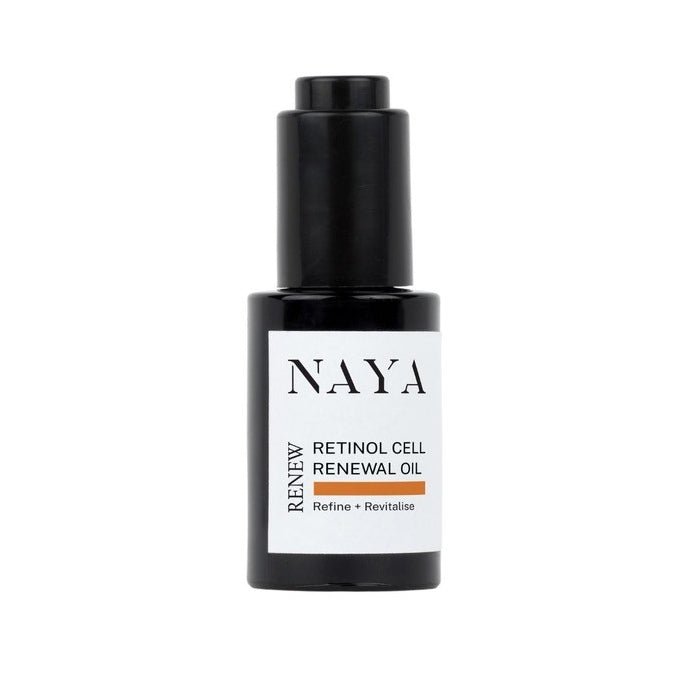
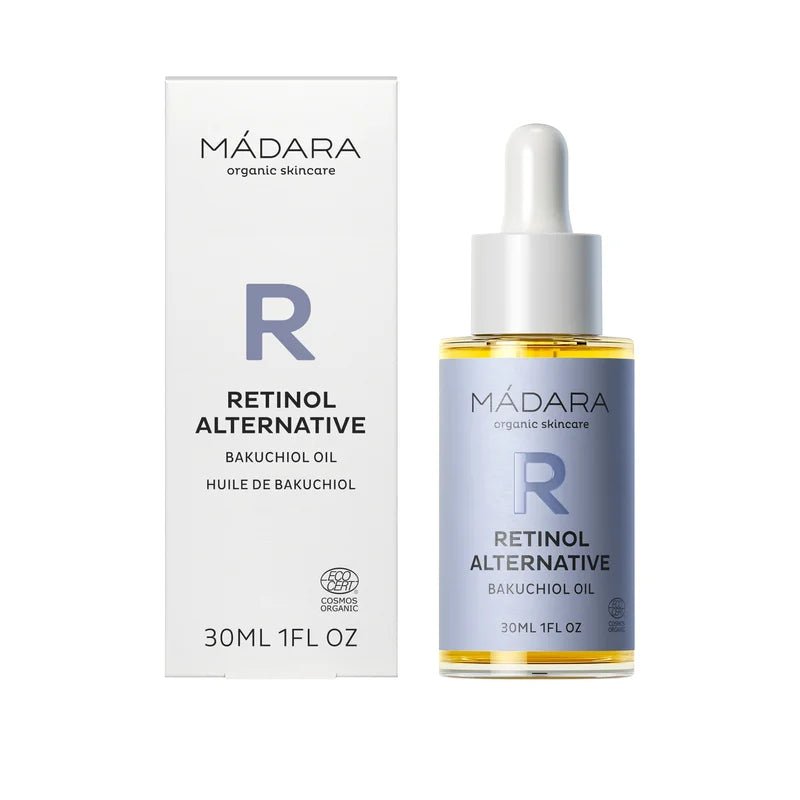
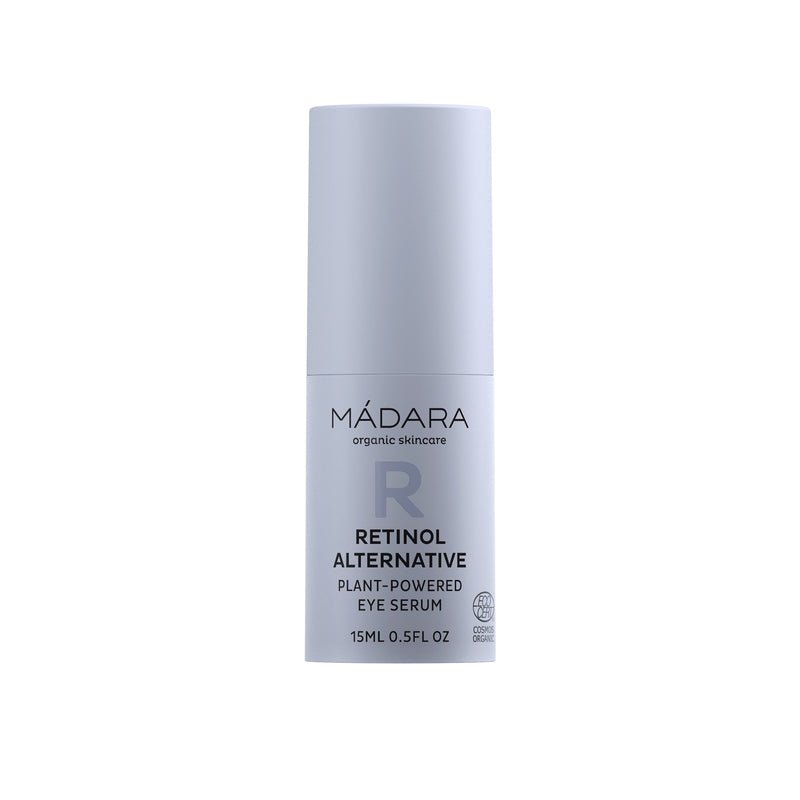
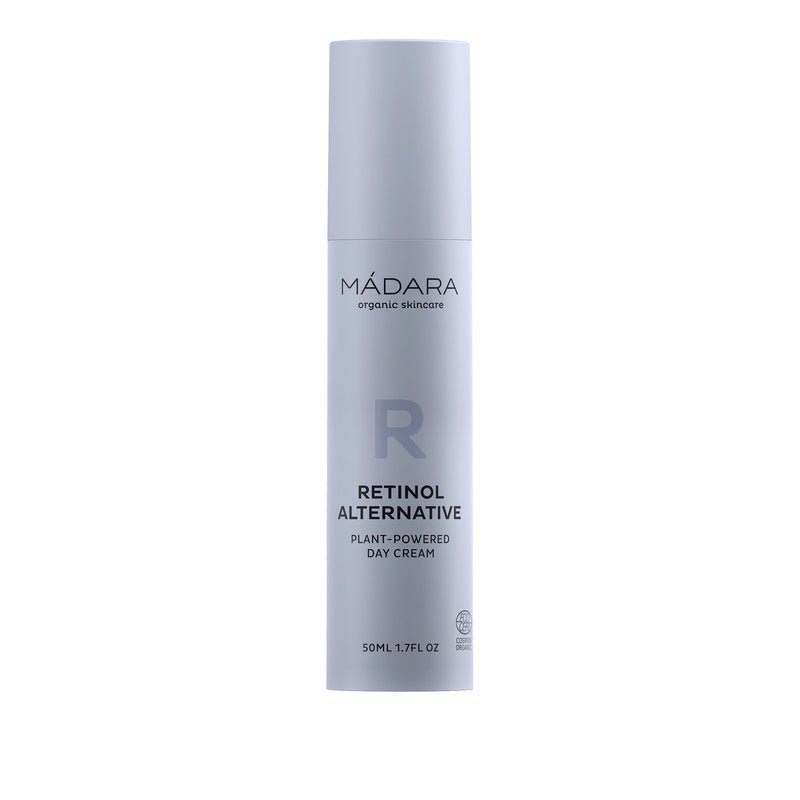
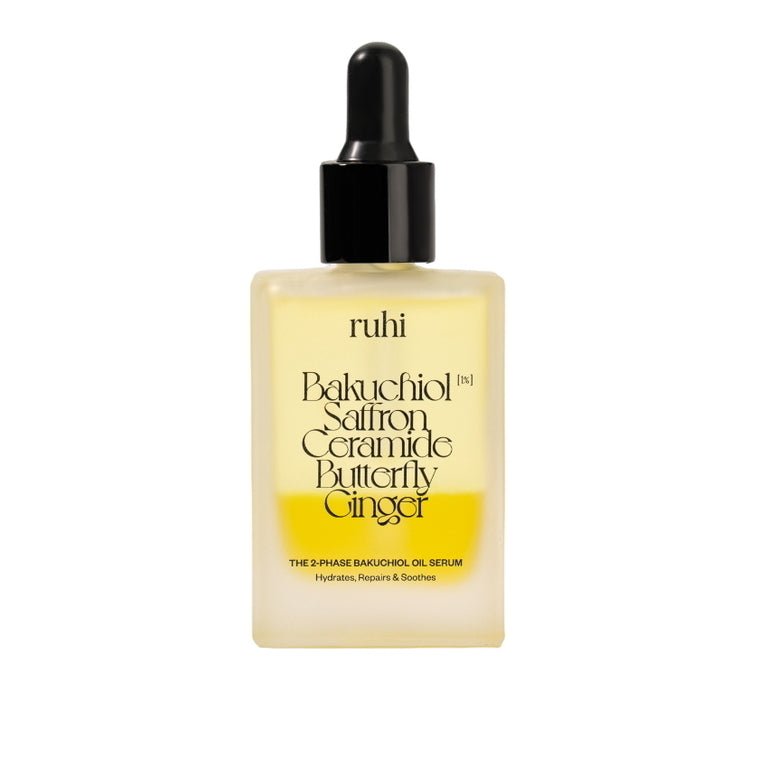
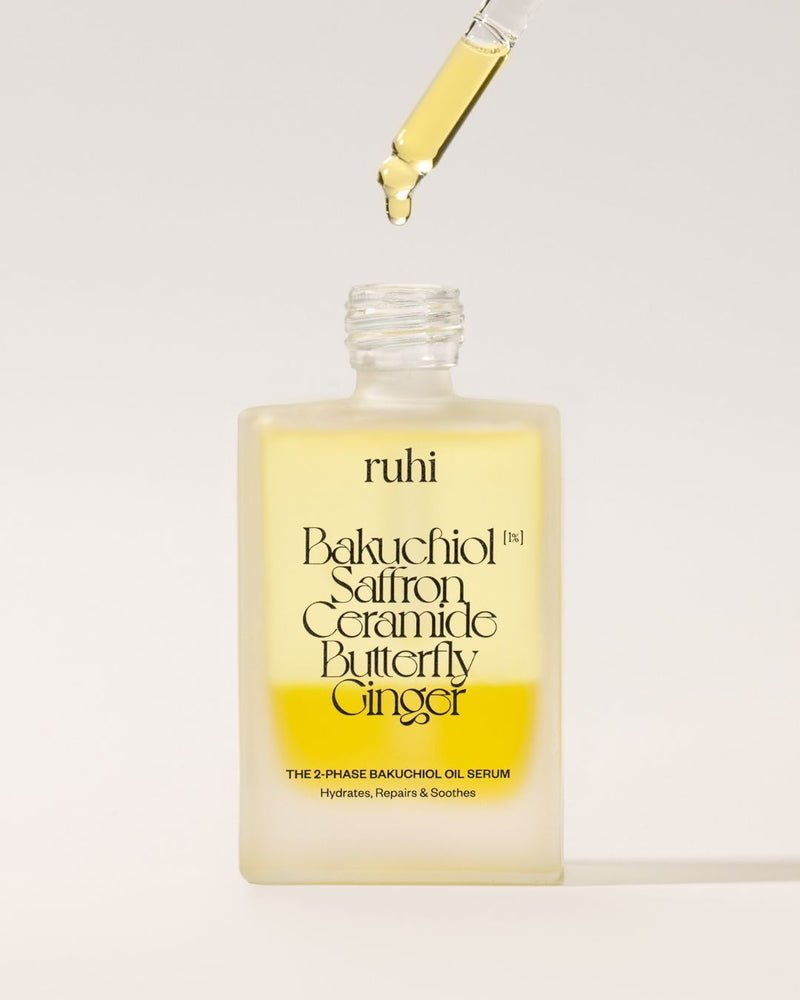
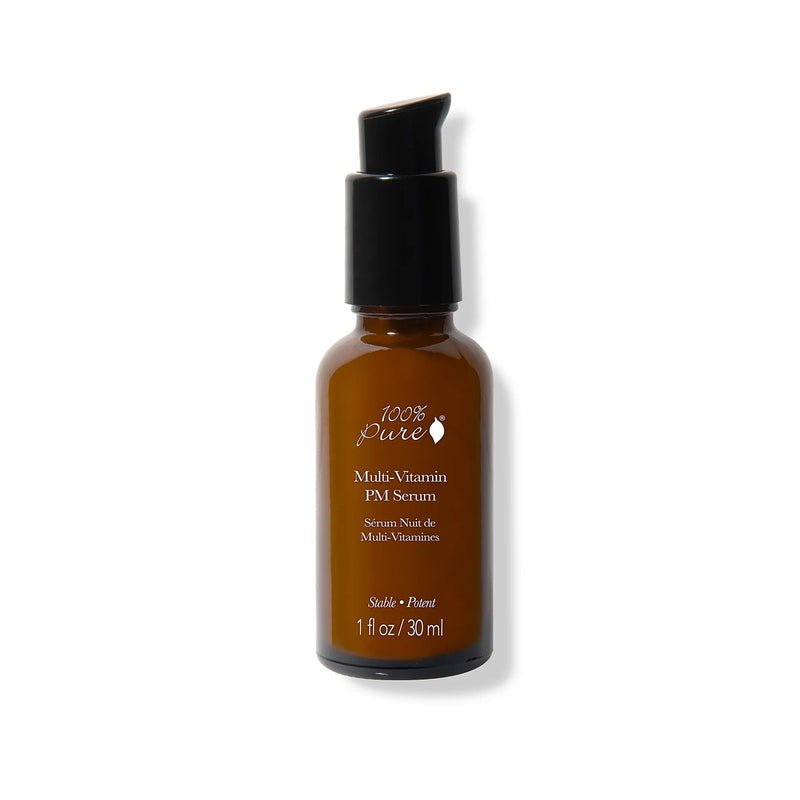
In our shop, you will find curated Vitamin A care for different skin needs – from Retinal Serum to Retinol oils and night care to gentler Retinol alternatives. Choose a product that suits your skin, your previous experience with retinoids, and your desired care routine.
If your skin is sensitive or you are using retinoids for the first time, start slowly and complement the care with moisture, barrier protection, and daily sun protection. This way, Vitamin A can be consciously, effectively, and skin-friendly integrated into the evening routine.
The Benefits of Vitamin A in Skin Care
Vitamin A and its cosmetic derivatives such as Retinol and Retinal are proven active ingredients for a targeted evening routine. They support a smoother, more even, and refined-looking complexion – provided they are introduced slowly and used according to skin type.
- Refined skin texture – can improve the appearance of unevenness and rough texture.
- More even complexion – supports a clearer and more balanced-looking skin.
- Softer appearance of fine lines – makes the skin look smoother and fresher.
- Targeted care for the evening routine – Retinol and Retinal are ideally applied in the evening and slowly integrated into skin care.
- Retinal as a modern Vitamin A form – requires only one conversion step to active retinoic acid and is therefore an interesting choice for targeted Retinal serums.
- Suitable for different skin needs – depending on formulation for dull complexion, uneven skin texture, early lines, or skin prone to blemishes.
- Useful in combination with barrier protection – moisture, soothing care, and daily sun protection complement a Vitamin A routine effectively.
Frequently Asked Questions About Retinal Serum, Retinol & Vitamin A
What Is a Retinal Serum?
A Retinal Serum is a facial care product containing Retinal, also called retinaldehyde. Retinal is one of the Vitamin A derivatives used in skin care to improve the appearance of fine lines, uneven texture, and dull complexion.
Is Retinal Stronger Than Retinol?
Retinal is closer in the conversion chain to the active retinoic acid than Retinol. Retinol must first be converted to Retinal and then to retinoic acid. Therefore, Retinal is often described as a more direct retinoid form. However, tolerance always depends on concentration, formulation, and skin type.
How Often Should You Use Retinal Serum?
Start with one to two applications per week in the evening. If the skin remains calm, the frequency can be gradually increased. If dryness, redness, or tightness occur, reduce the usage.
When Should You Apply Retinal Serum?
Retinal Serum is applied in the evening after cleansing to dry skin. Afterwards, a moisturizing or barrier-strengthening care product is recommended. Sun protection should always be used in the morning.
Can You Use Retinal Serum During Pregnancy?
No. Products with Retinol, Retinal, and other retinoids should not be used during pregnancy and breastfeeding.