











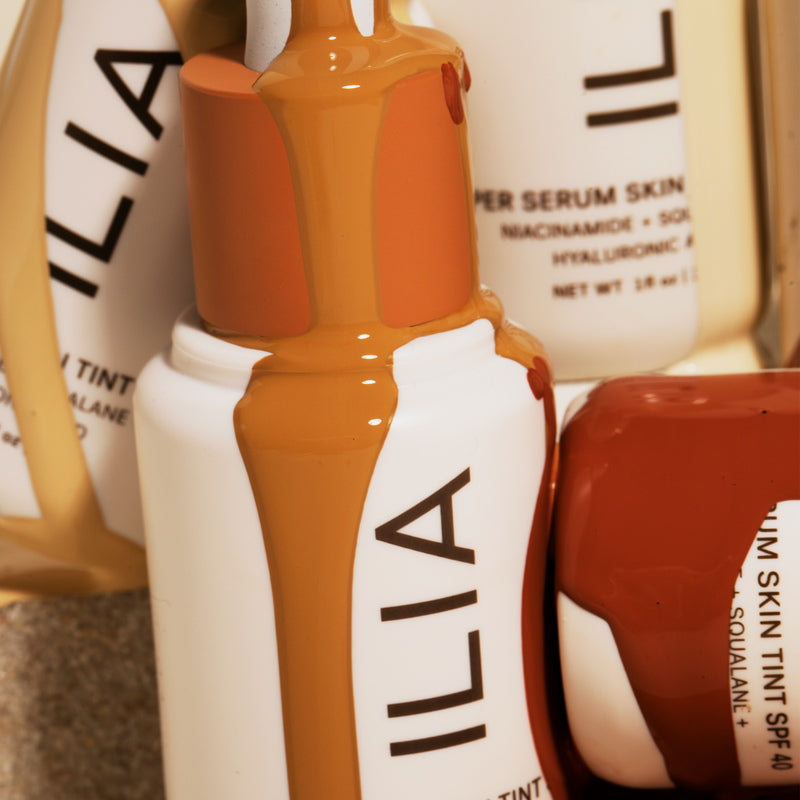
Skye ST0.5
Rendezvous ST1
Tulum ST2
Sombrio ST2.5
Balos ST3
Formosa ST4
Bom Bom ST5
Ora ST6
Kai ST6.5
Diaz ST7
Shela ST8
Paloma ST9
Baikal ST9.5
Porto Ferro ST10
Matira ST11
Morgat ST11.5
Kokkini ST12
Ramla Bay ST12.5
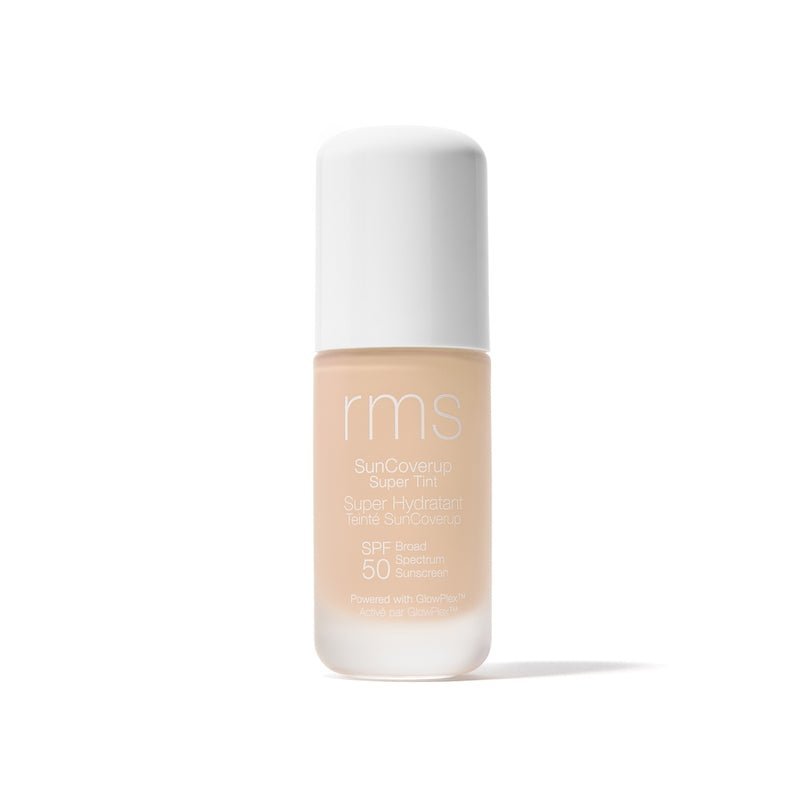
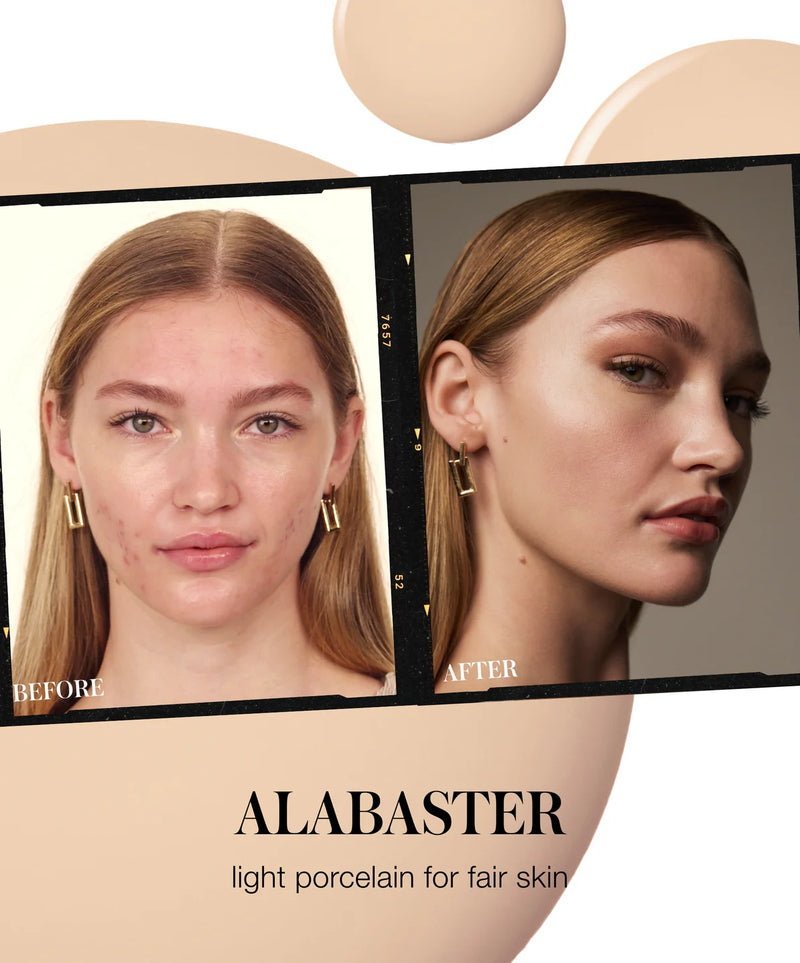
Shade Alabaster
Shade Ivory
Shade Cameo
Shade Buff
Shade Sand
Shade Tan
Shade Honey
Shade Tawny
Shade Caramel
Shade Spice
Shade Toffey
Shade Mahogany
Shade Mocha


CC Go Ivory #20
CC Go True Beige #35
CC Go Sand #40
CC Go Olive #60
CC Go Fudge #80
CC Go Mocha #100

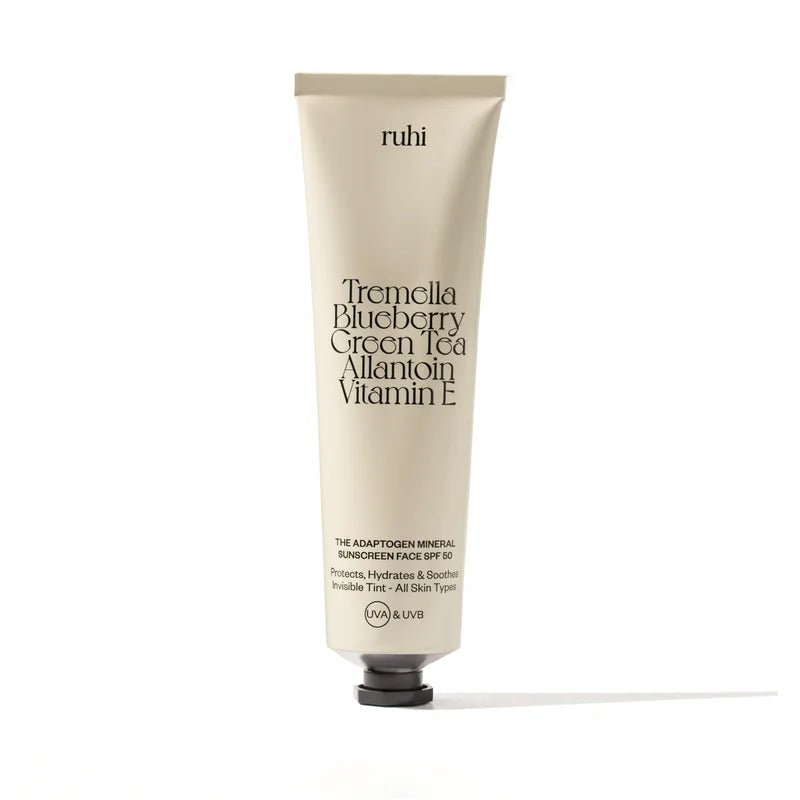
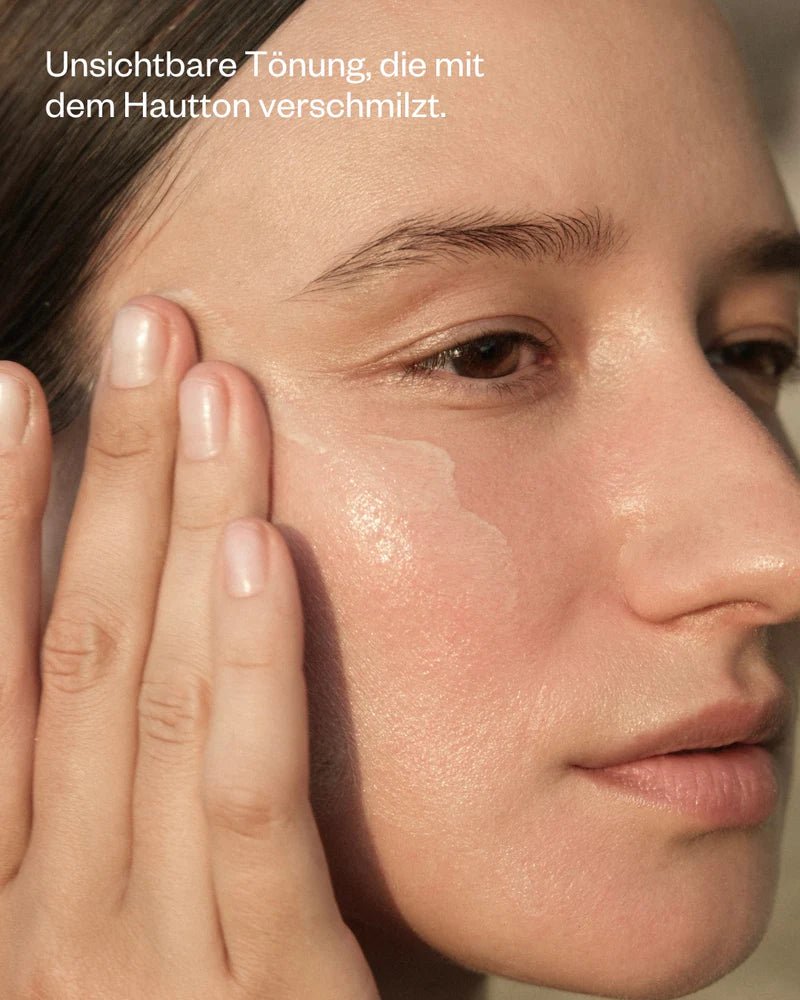
Shade Alabaster
Shade Ivory
Shade Cameo
Shade Buff
Shade Sand
Shade Tan
Shade Honey
Shade Tawny
Shade Caramel
Shade Spice
Shade Toffey
Shade Mahogany
Shade Mocha
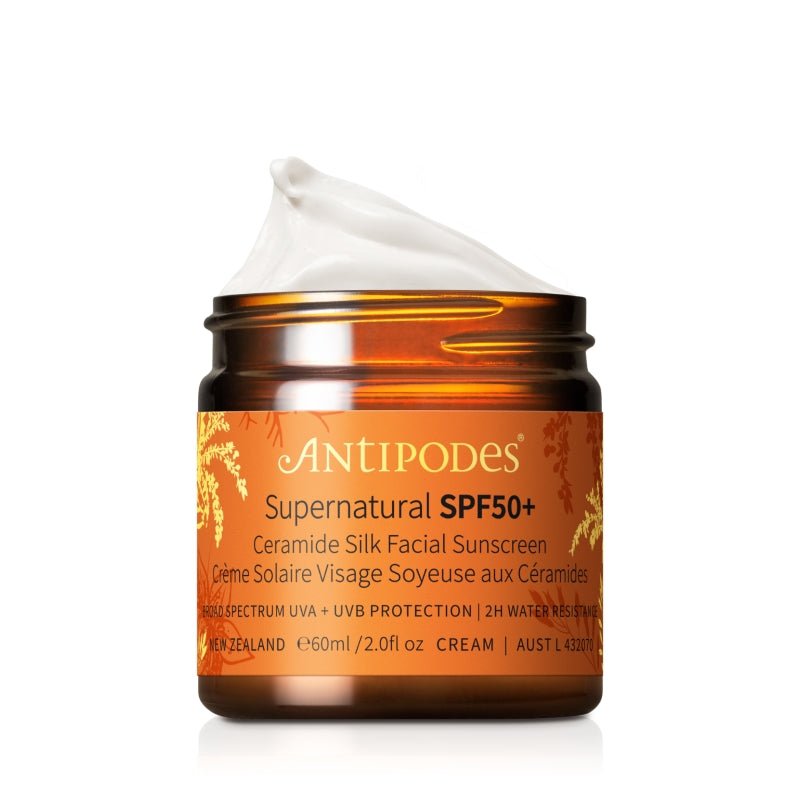
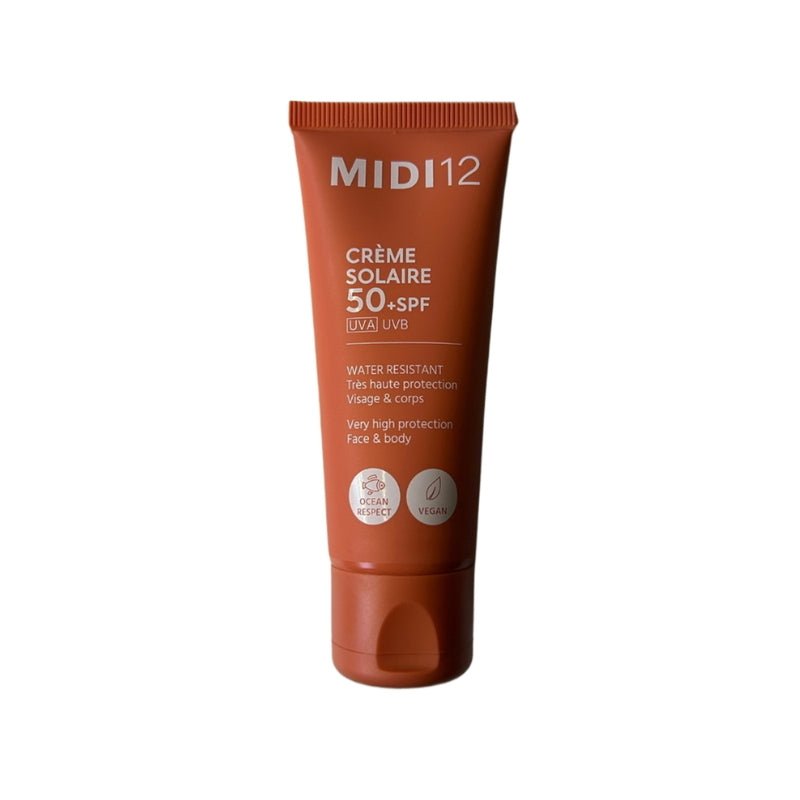
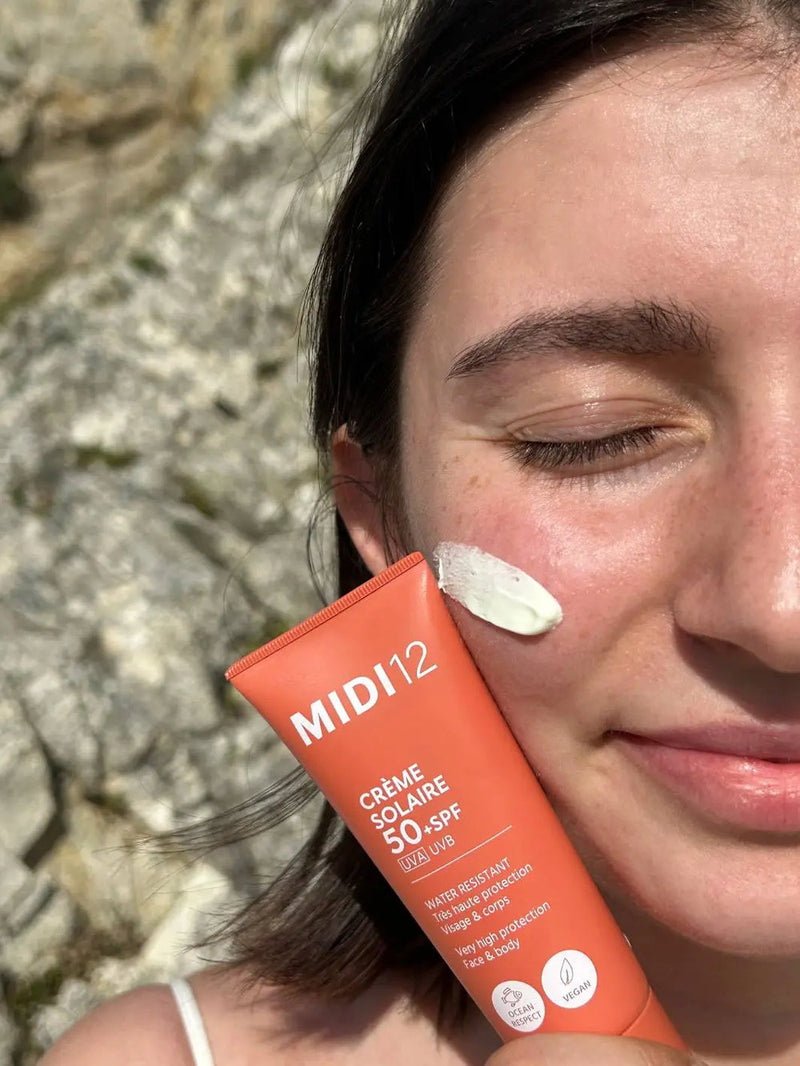
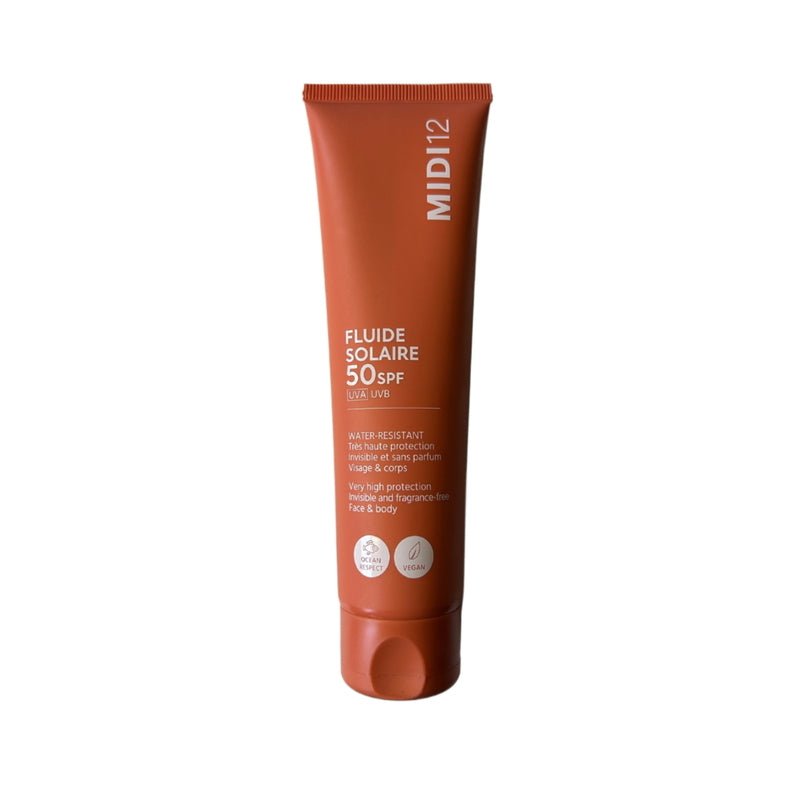
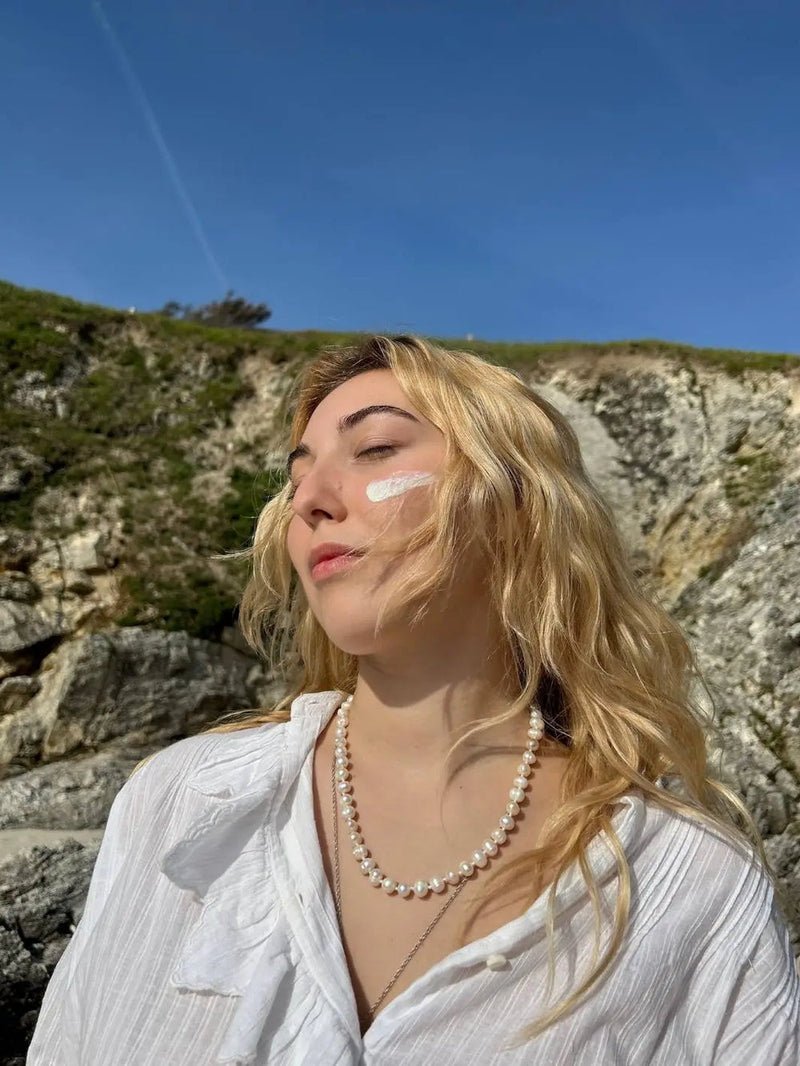
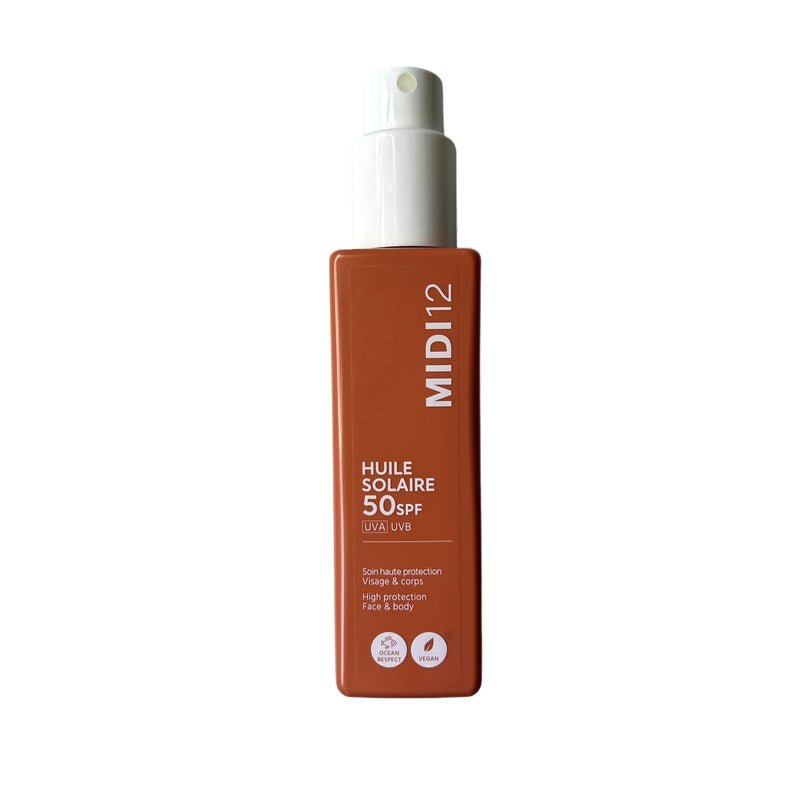
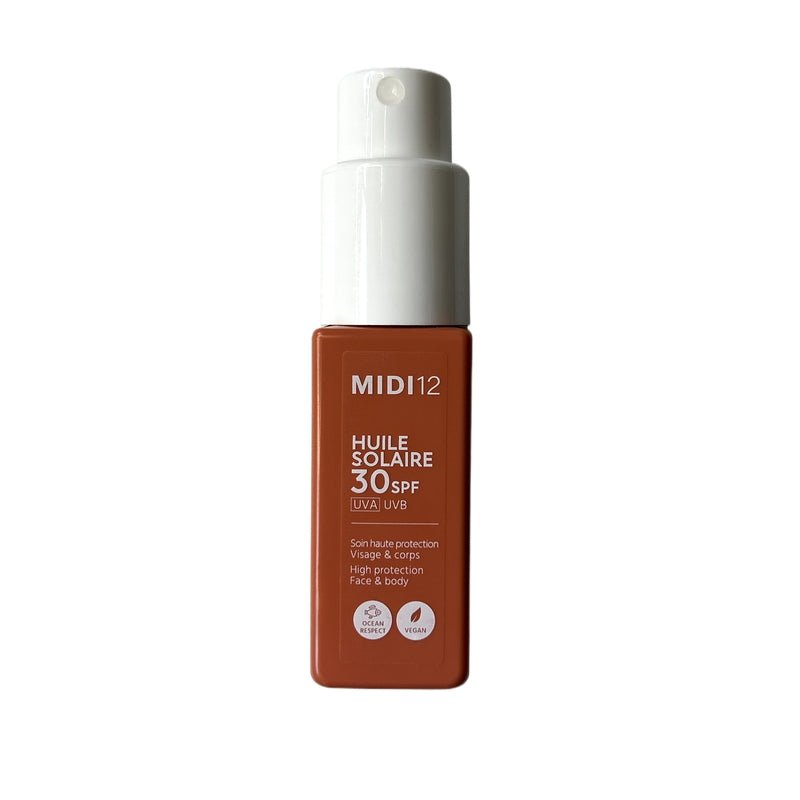
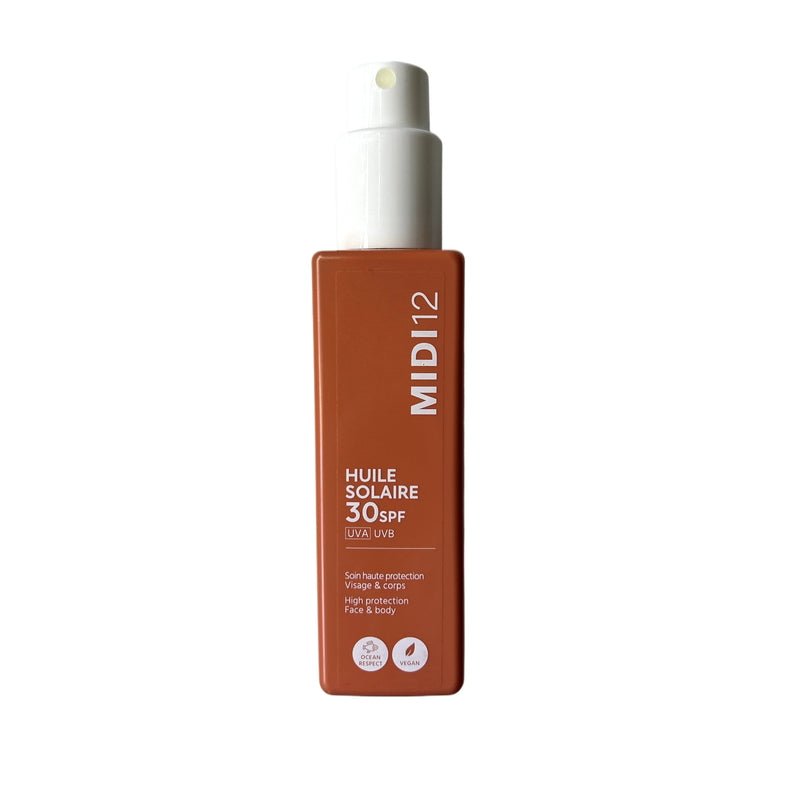
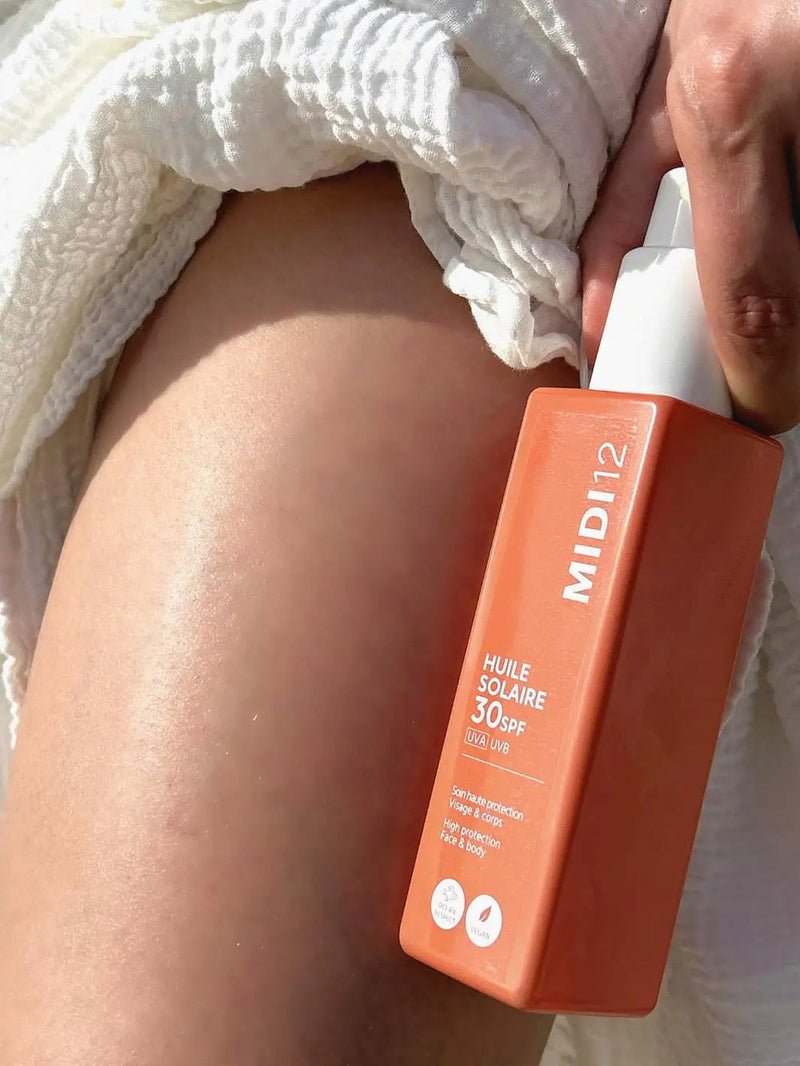
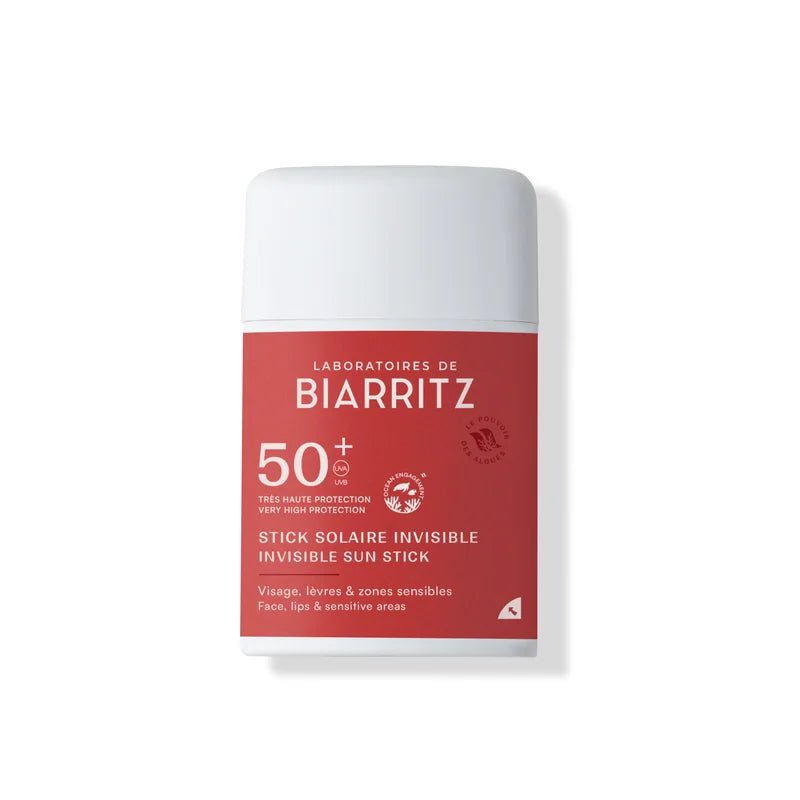
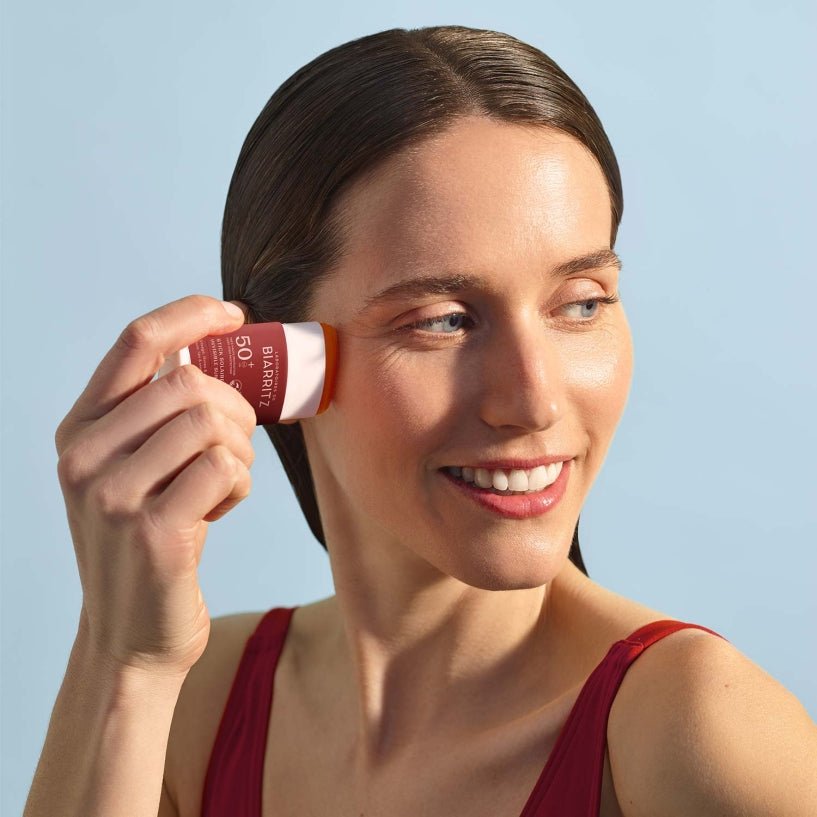
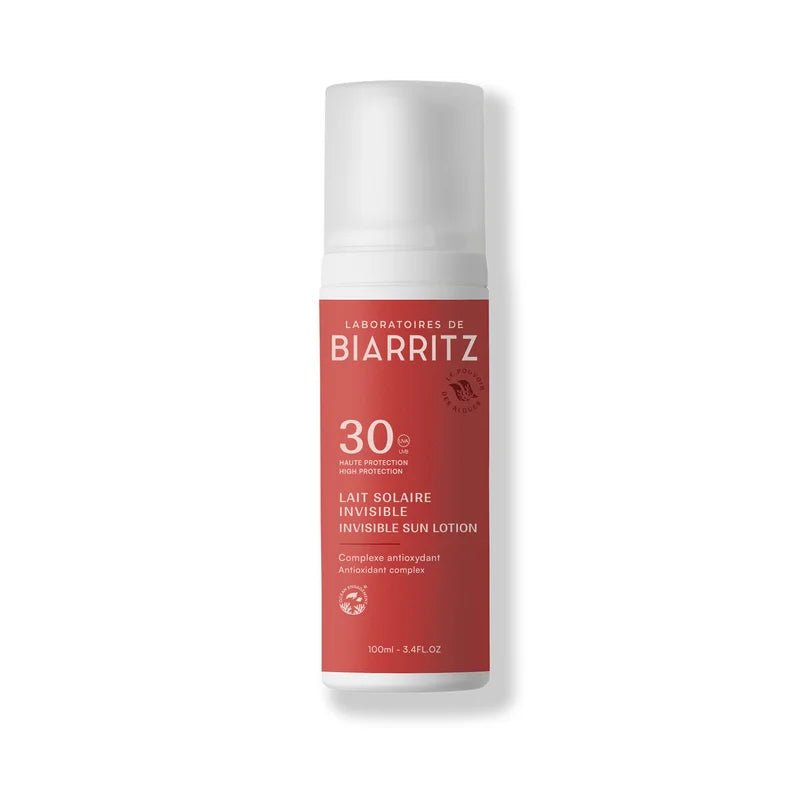
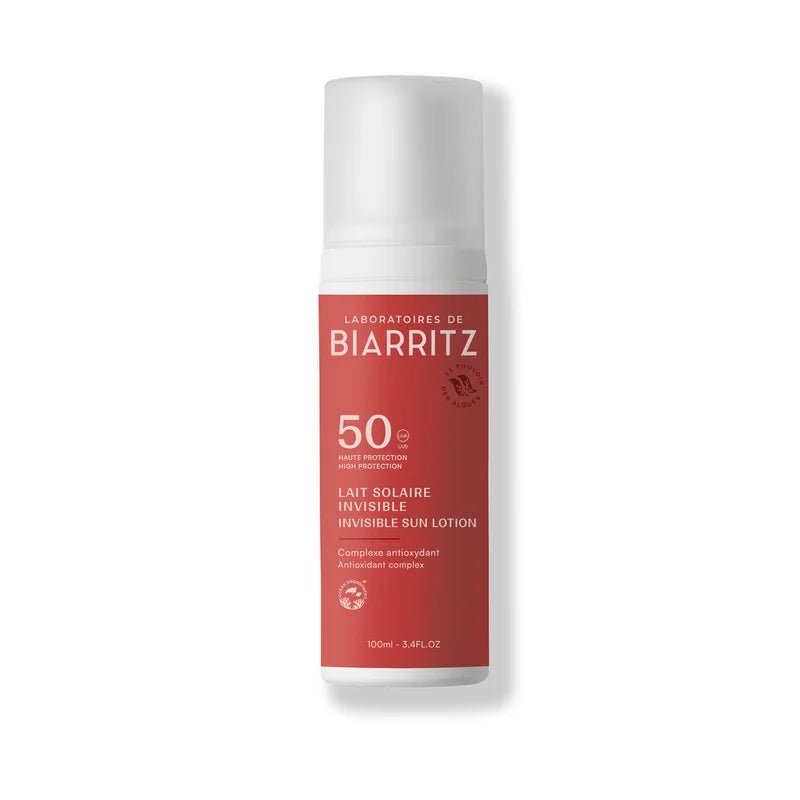
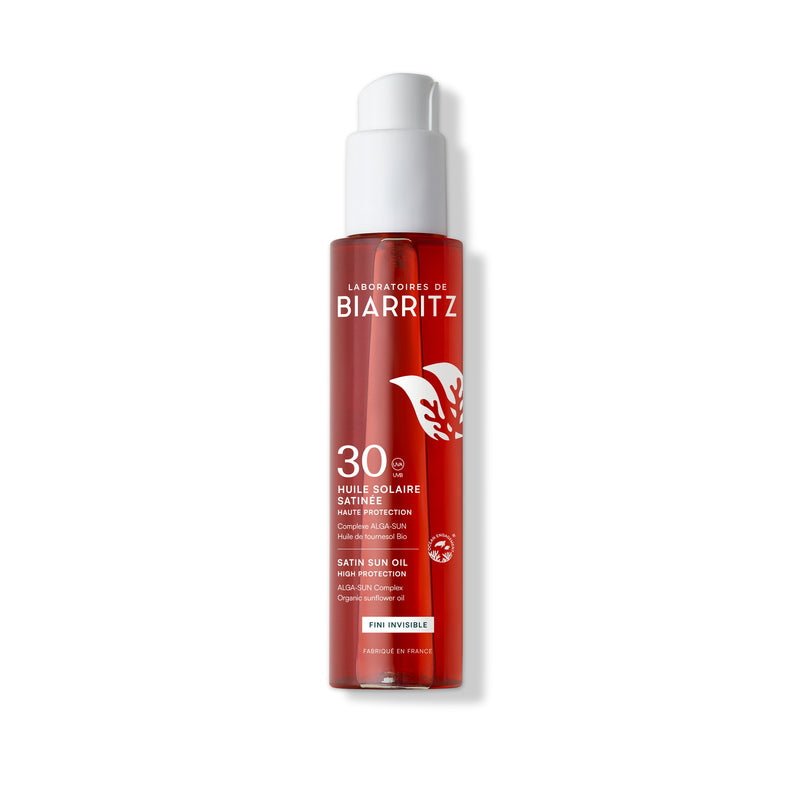
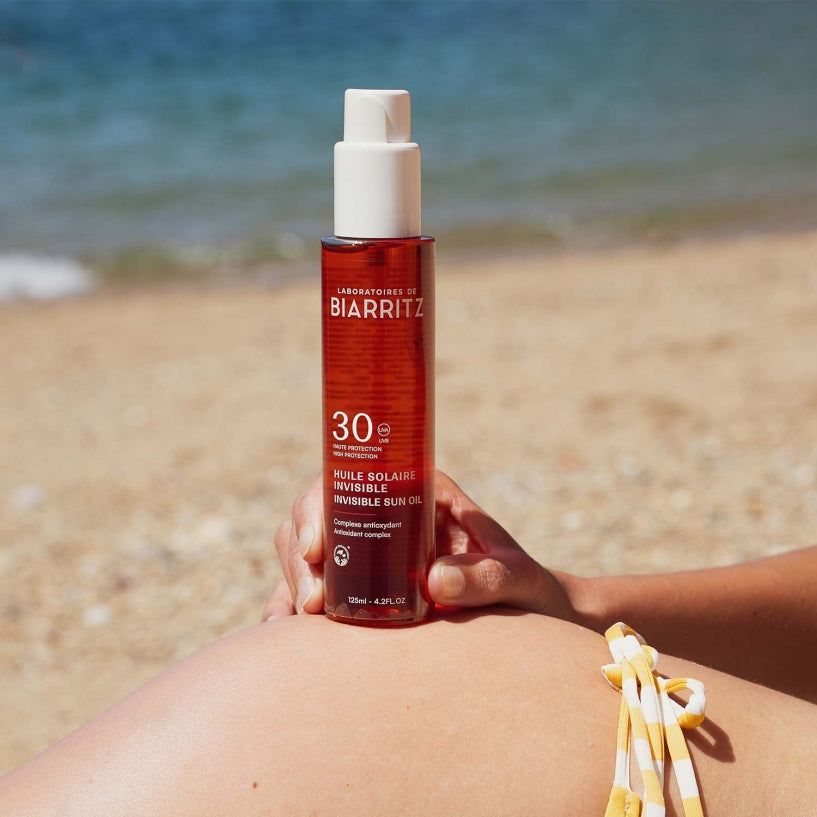
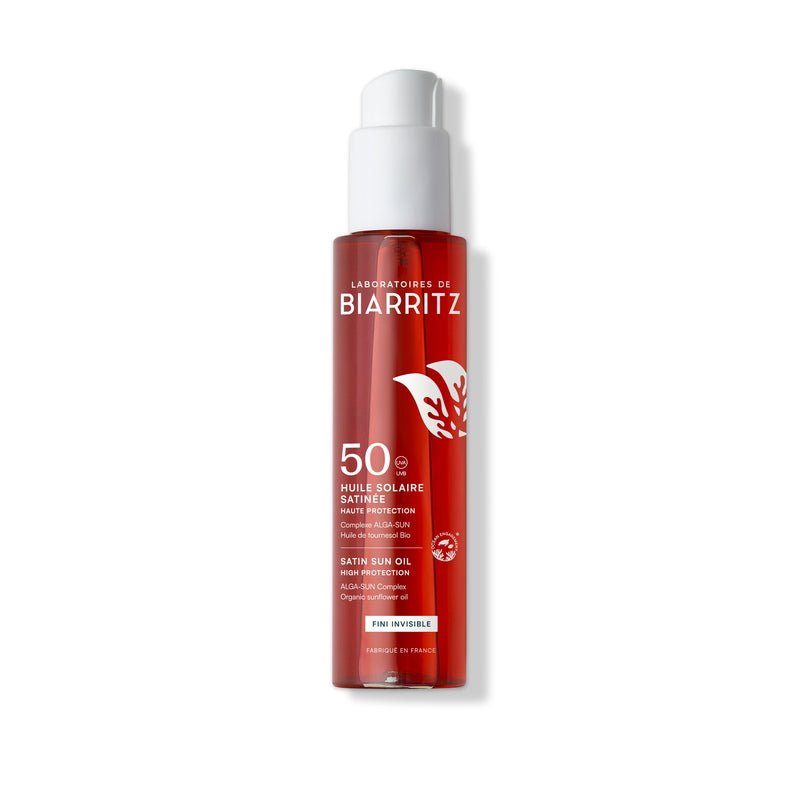
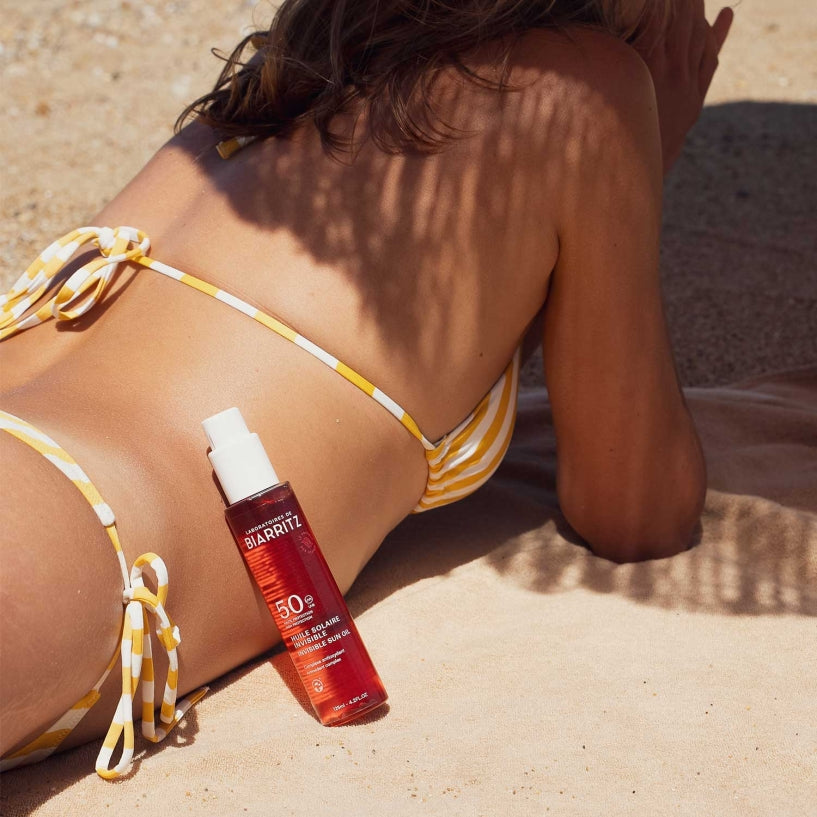

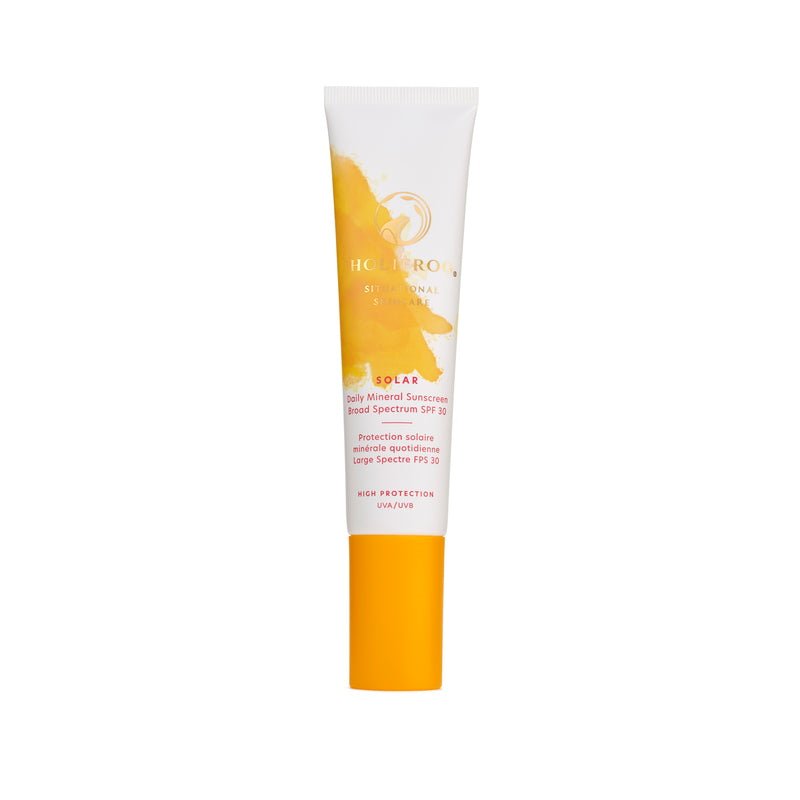
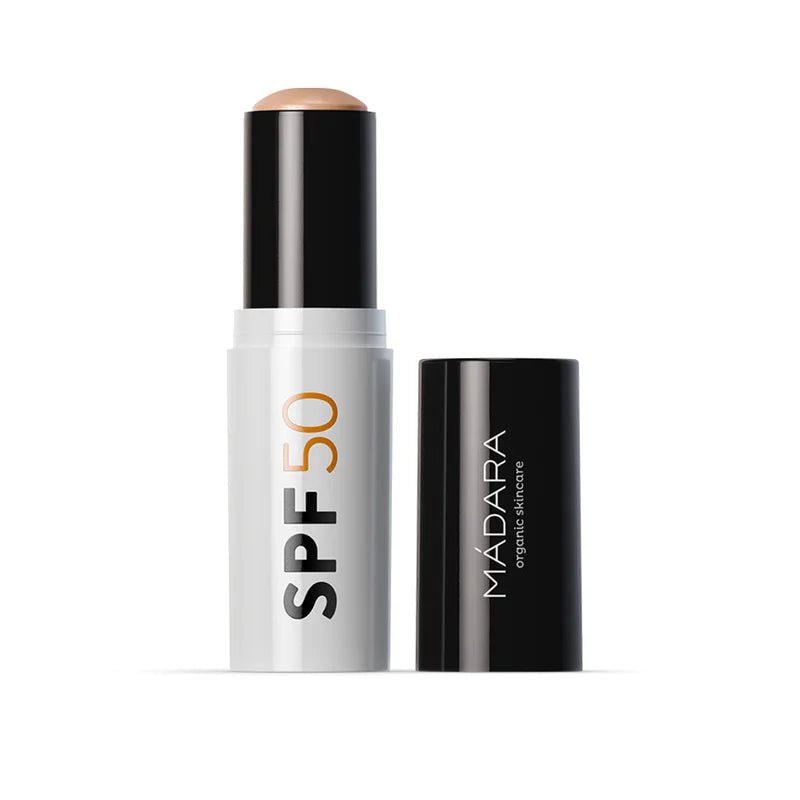
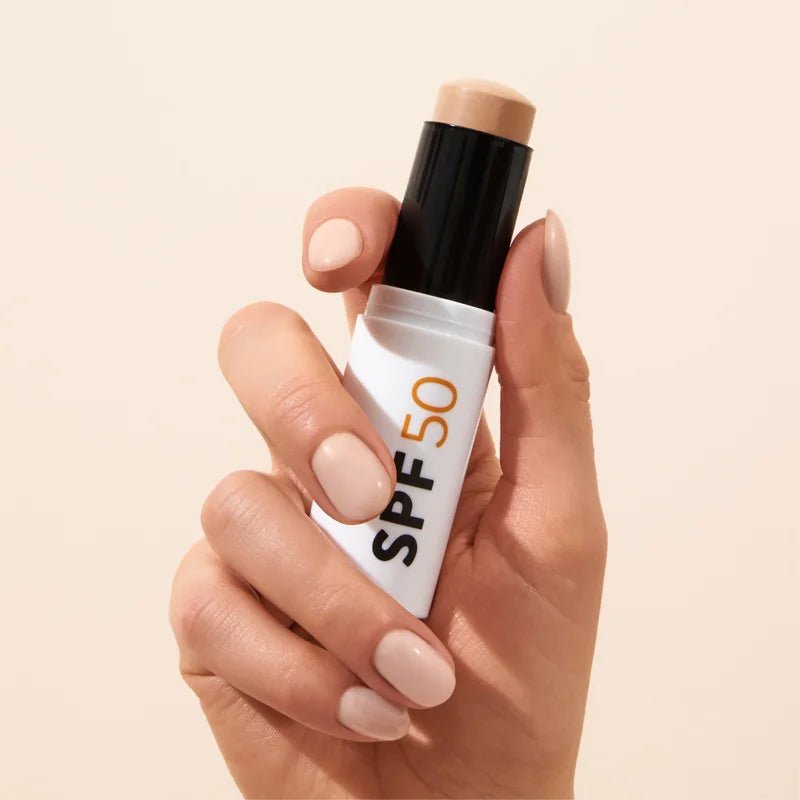
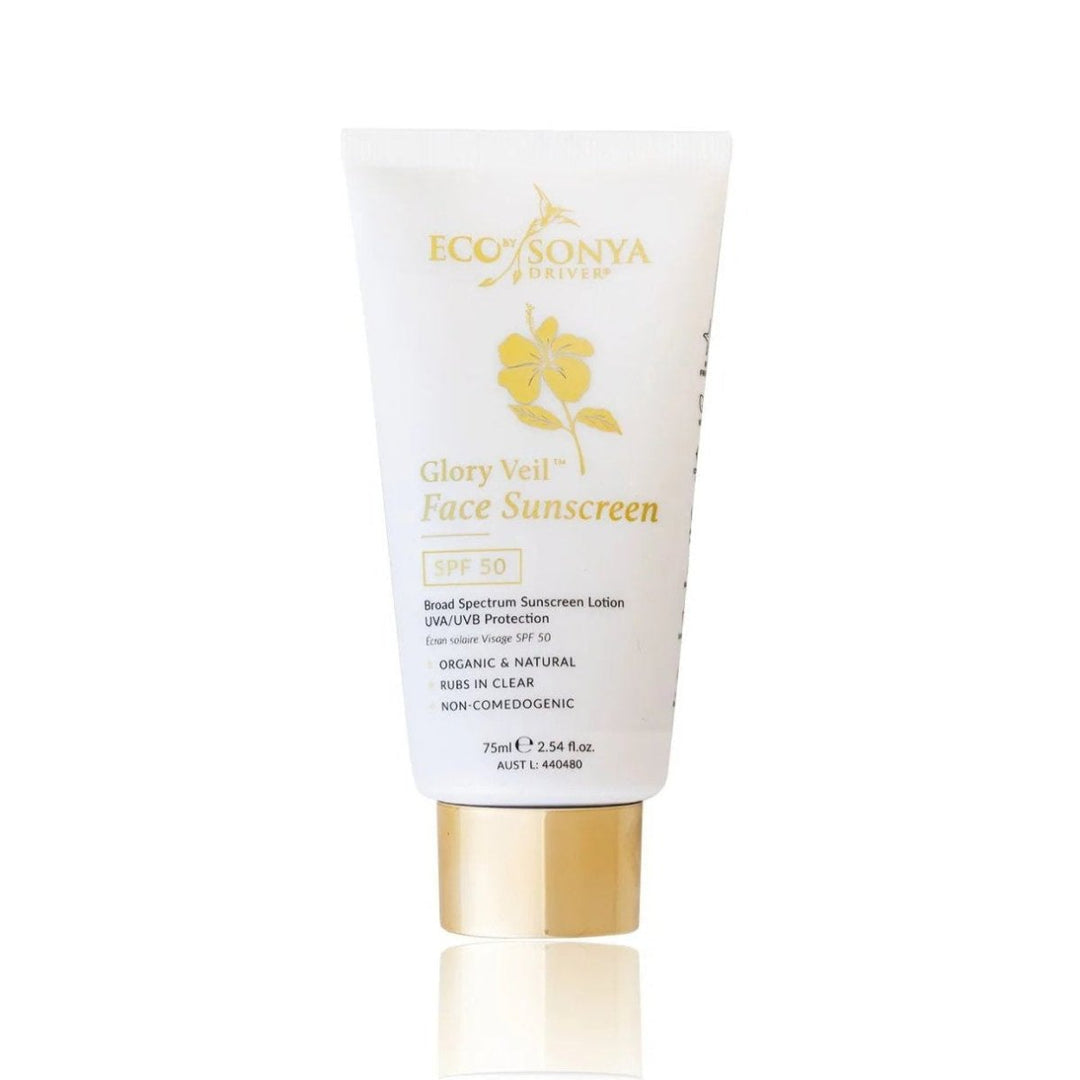
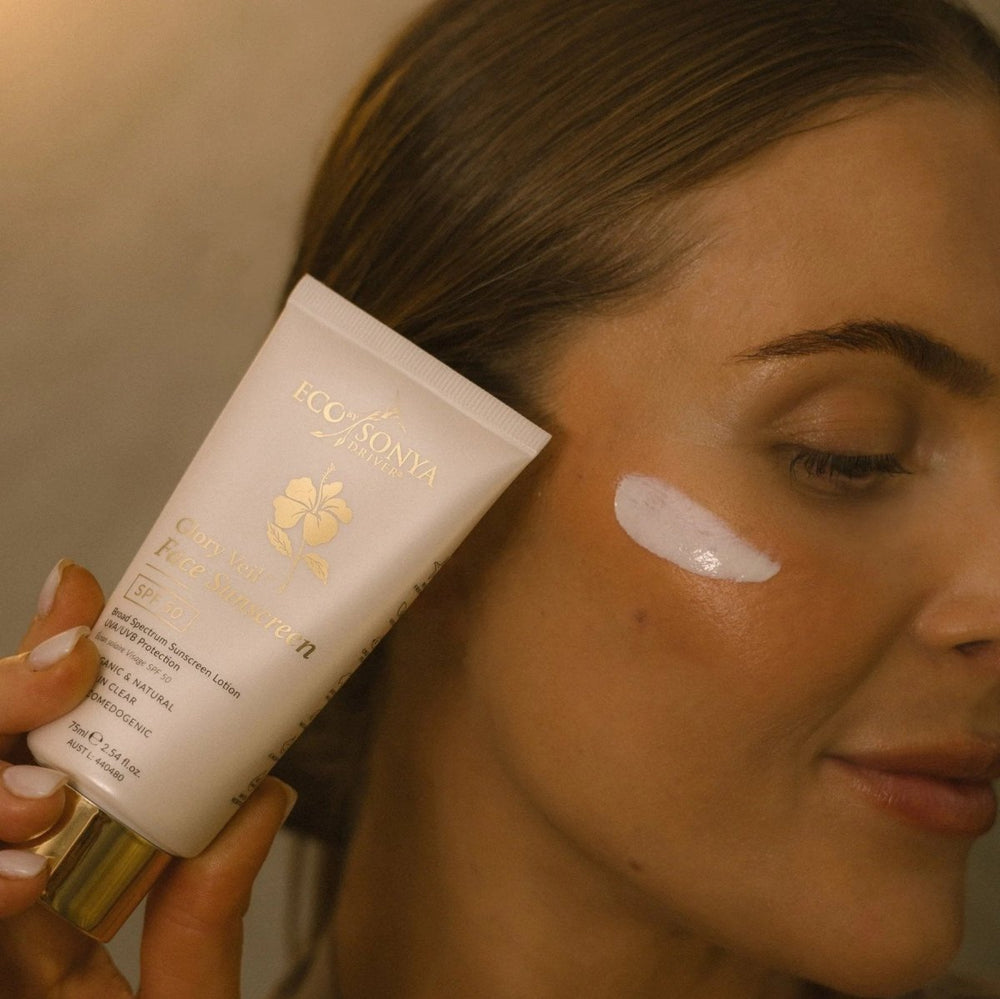
Natural sun protection for the face
A bright blue sky, warm sunshine, and the chirping of birds – all of this invites us to go outside and enjoy the beauty of spring and summer. But while we enjoy the nice weather, our skin needs special protection. The new generation of natural cosmetic sun care not only offers reliable protection against UV rays but also impresses with improved textures and a pleasant skin feel after application. It gently and effectively protects us from UV rays without compromising on skin compatibility or environmental friendliness!
Table of contents
- Sun protection basics: Different types of UV rays
- How to choose effective sun protection?
- Naturally protected: The new era of eco-friendly sun protection
- Decision guide: Mineral or chemical sunscreen?
- Mineral Filters
- Chemical Filters
- Sidebar: Which Sun Protection Factor Is Right?
- Conclusion: Natural Cosmetic Sun Protection in Focus
Sun protection basics: Different types of UV rays
UV rays – this term has become a fixed part of our beauty vocabulary in recent years. But what exactly does it mean? Generally, there are two types of UV rays: UV-A and UV-B rays. UV-B rays are shortwave and cause sunburn. They damage the skin cells in our outermost skin layer, the epidermis. UV-A radiation is longwave and penetrates deeper into our skin, reaching the dermis. There, UV-A radiation creates free radicals that can accelerate skin aging.
Both types of UV radiation can cause skin cancer if you are exposed to them unprotected for too long. Therefore, effective sun protection offers broad-spectrum protection. This means it protects against both UV-A and UV-B radiation.
How to choose effective sun protection?
The most effective sun protection for you depends on your skin type, how much time you want to spend outdoors, and the activities you plan. The sun protection factor (SPF) of a sunscreen indicates how well the product protects you from UV rays. A common misconception about sun protection is the assumption that the skin's natural protection in everyday life, especially for darker skin types, is sufficient. However, this is not the case, as the natural protection of the skin varies between 5 and 30 minutes depending on the skin type. A person with fair skin, whose skin has a natural protection of 5 minutes, can theoretically stay in the sun for 150 minutes with a sunscreen with SPF 30.
But that is only the theory—because many factors influence the actual sun protection and often shorten its duration. One is the daily UV index. This changes, for example, with the sun’s position, cloud cover, season, geographic location, and altitude of a place. If the UV index is above factor 3, sunscreen should be applied even for a short time in the sun, such as when commuting to work or running errands. Because with an increased UV factor, even brief exposure can damage the skin.
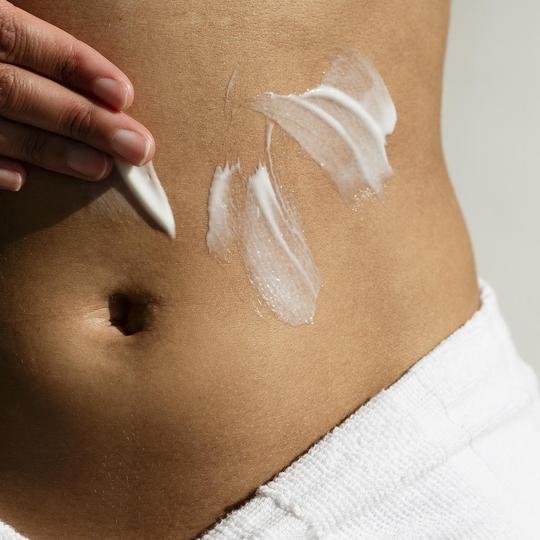
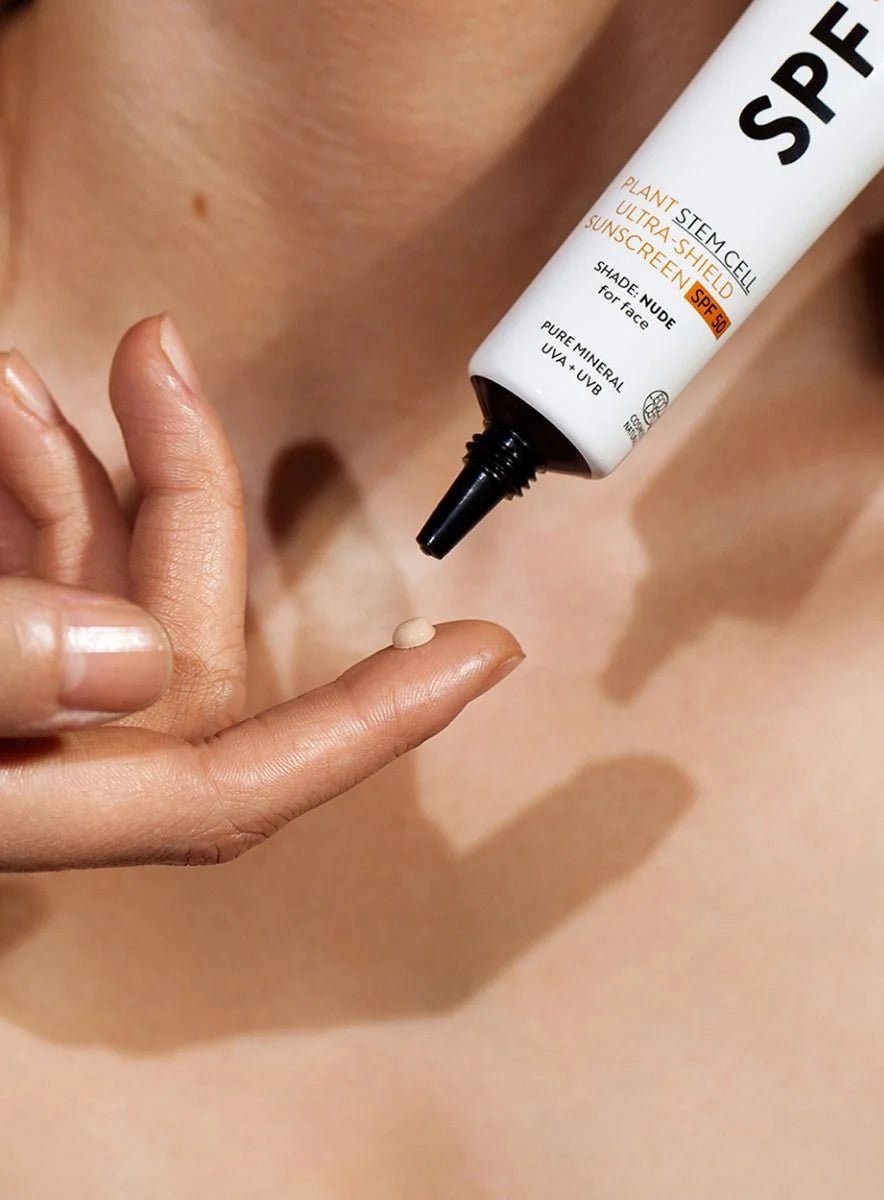
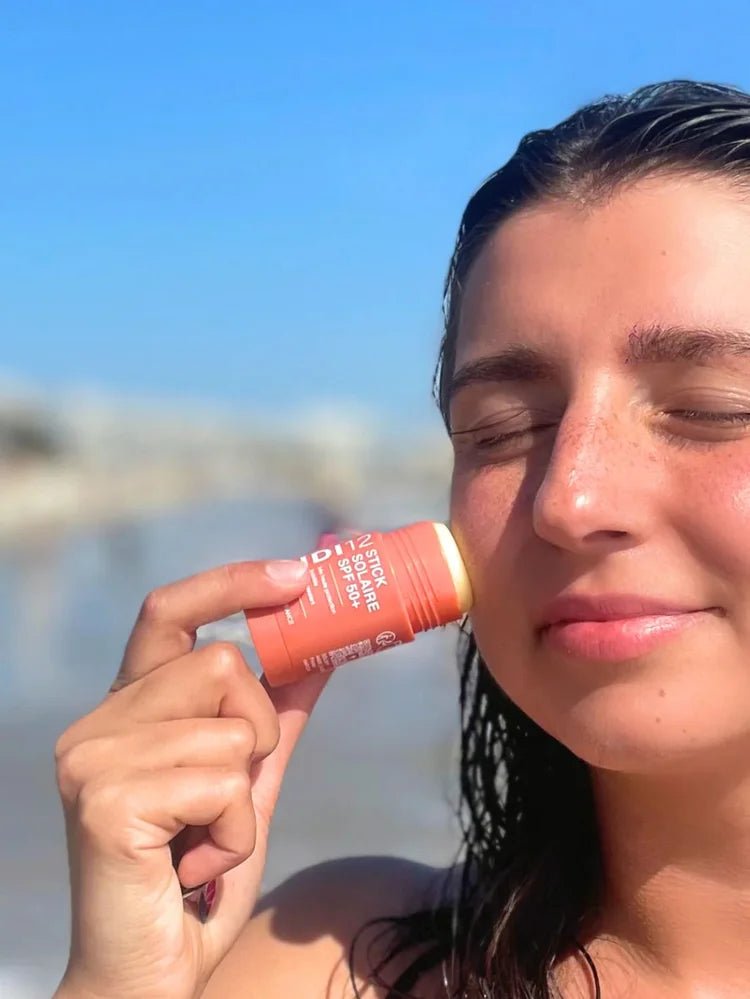
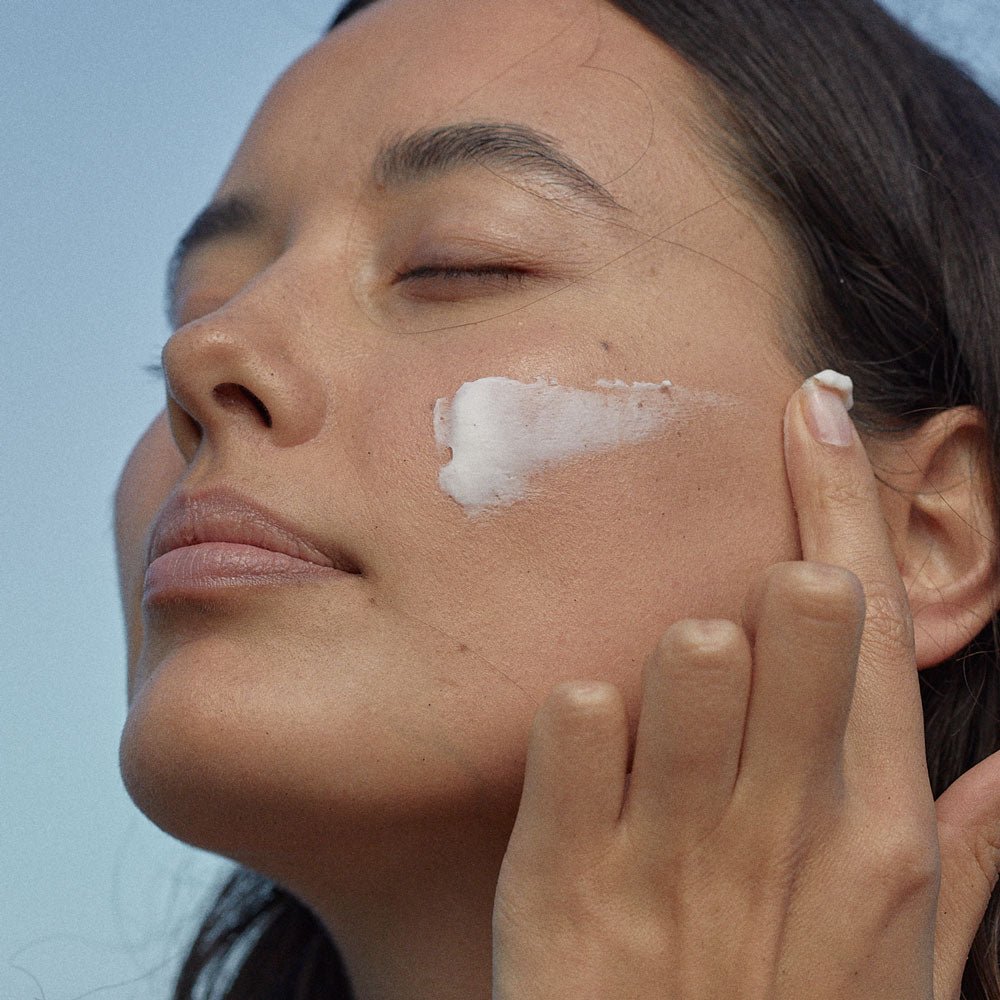
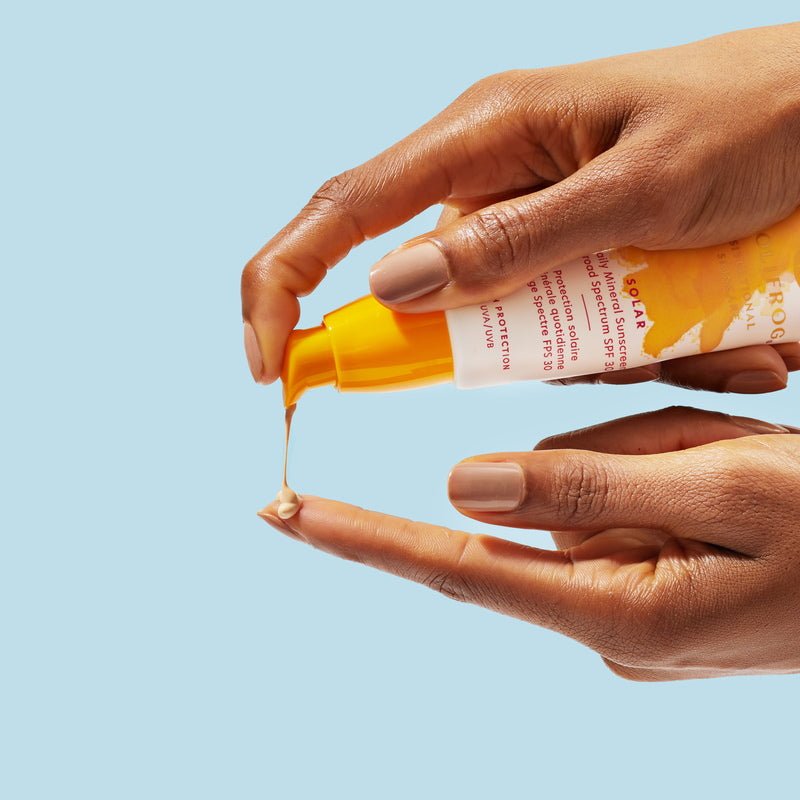
On the other hand, people often underestimate how much sunscreen they actually need to apply for it to be effective. For the face, two finger lengths of product are recommended, and for the body about three tablespoons. After sweating or swimming, it is essential to reapply, as the sunscreen no longer works sufficiently. But even without sweating, sunscreen loses its effectiveness over time, so a refresh every two hours is recommended.
Naturally protected: The new era of eco-friendly sun protection
Given the growing concerns about environmentally harmful ingredients in conventional sunscreens and the increasing demand for natural and skin-friendly alternatives, natural cosmetic sun care is becoming increasingly important. The current generation of sunscreen products has undergone significant development, enabling effective protection against the harmful effects of the sun without compromising on application, skin compatibility, or environmental friendliness.
Manufacturers of natural cosmetics have significantly improved the application properties of mineral sunscreens in recent years. Earlier generations of mineral filters often left an unwanted white cast on the skin, which was seen as a major drawback. Nowadays, these issues have largely been overcome, making mineral sunscreens an attractive option for all skin types.
Even with chemical filters, which were long frowned upon in natural cosmetics, there are now some safe options available, and they are therefore gaining popularity. This is because manufacturers increasingly use non-irritating ingredients that do not cause hormonal effects or trigger allergies.
All in all, there are now hardly any good reasons to rely on conventional sunscreens, especially regarding their application.
Decision guide: Mineral or chemical sunscreen?
When choosing the right sunscreen, we often face the choice between mineral and chemical filters. How do we decide between them? Chemical filters absorb sunlight and convert it into heat. Mineral filters, on the other hand, contain pigments that reflect sunlight away from the skin. In both categories, there are ingredients that are recommended and others that are less advisable.
Mineral Filters
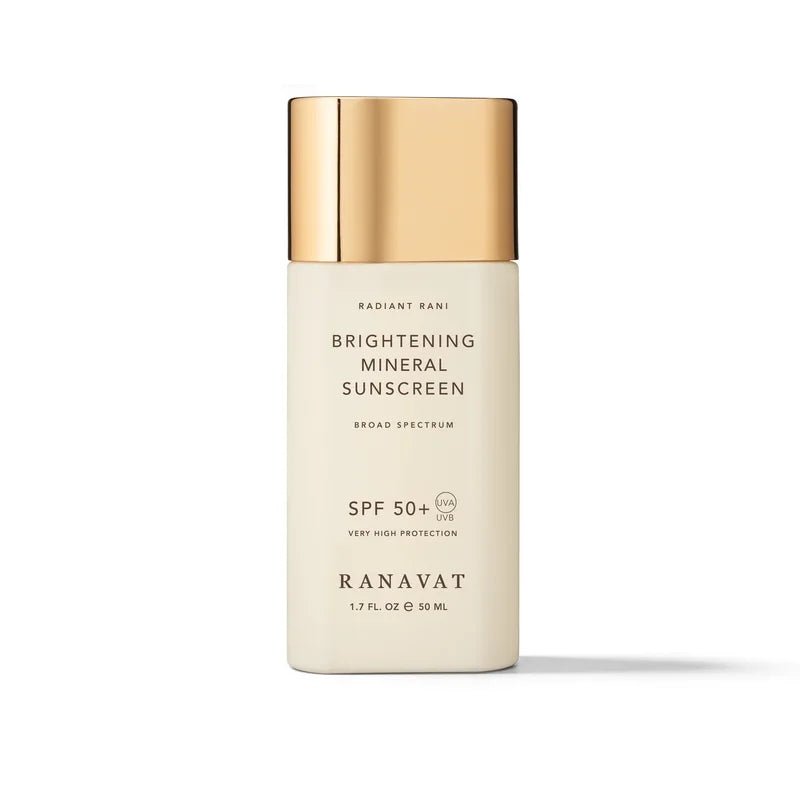
Mineral filters are well tolerated by people with sensitive skin and skin conditions like rosacea, as they cause less irritation. They do not trigger allergies and are especially recommended for children. Sunscreens with mineral filters provide effective protection immediately after application. In the past, mineral filters often had a heavy texture, were difficult to spread, and left a white cast. However, most manufacturers have since improved their formulas, making mineral sunscreens easier to apply, more comfortable on the skin, and free of white residue.
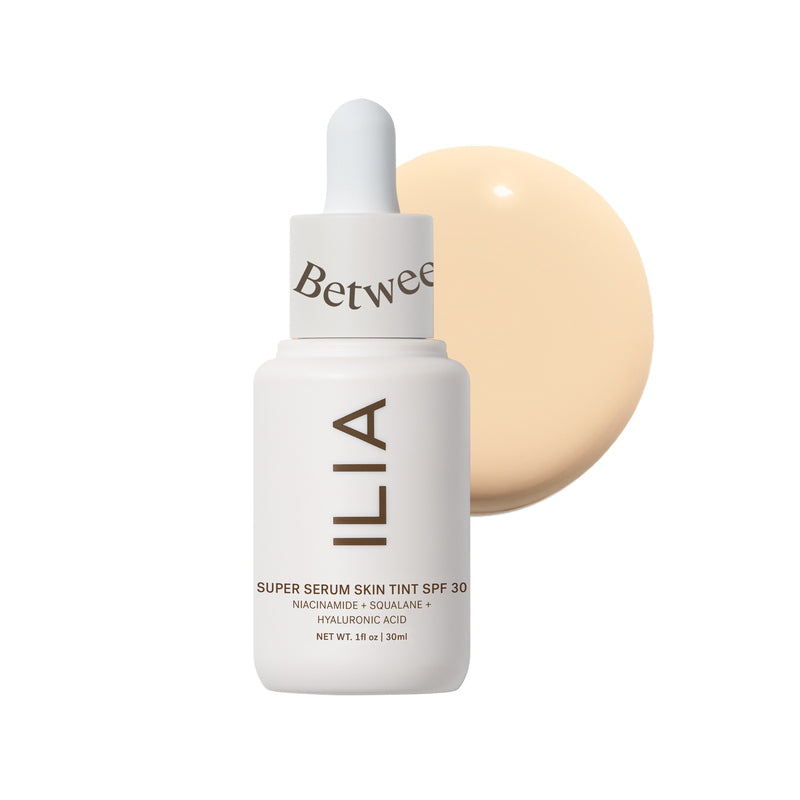
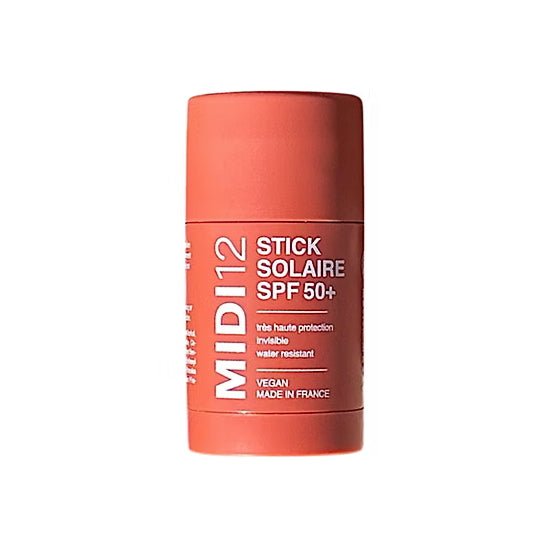
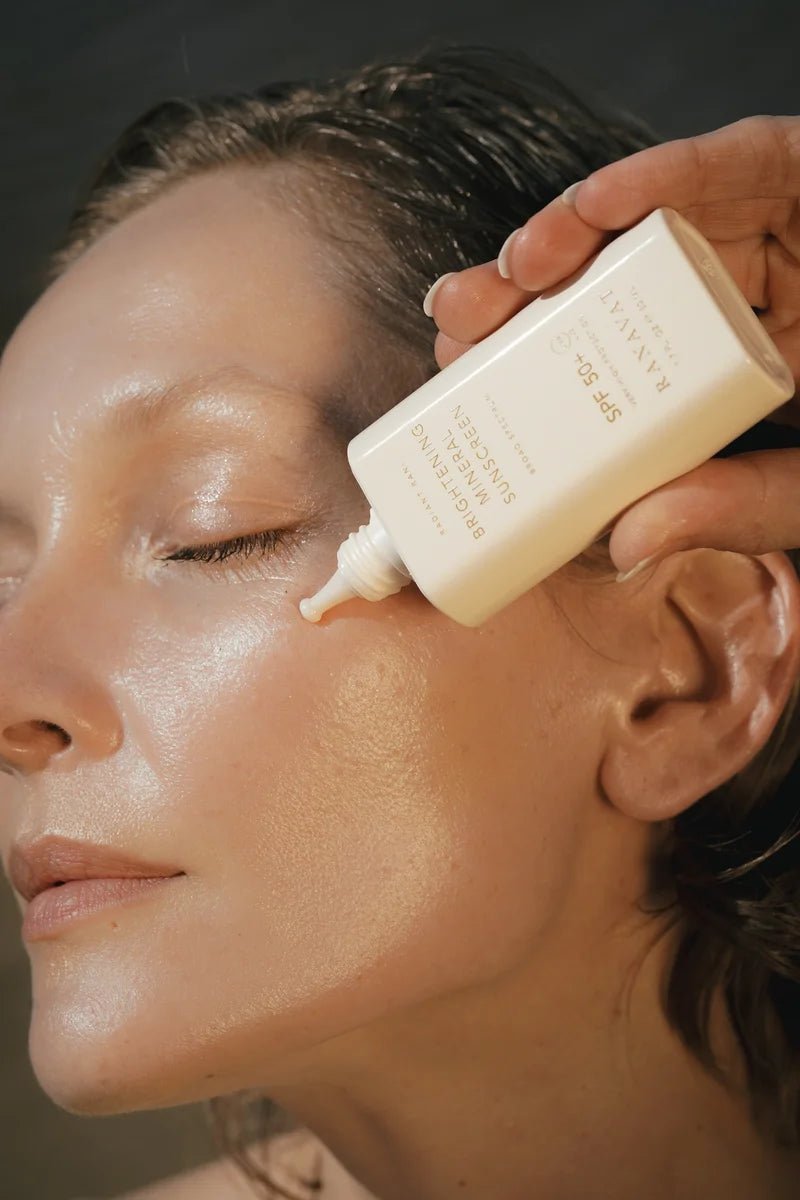
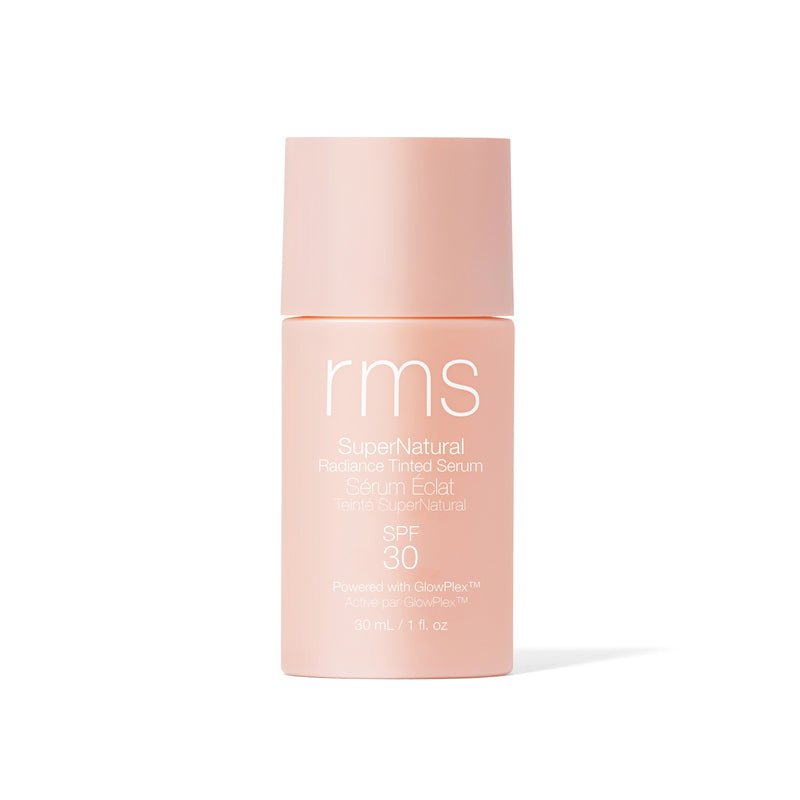
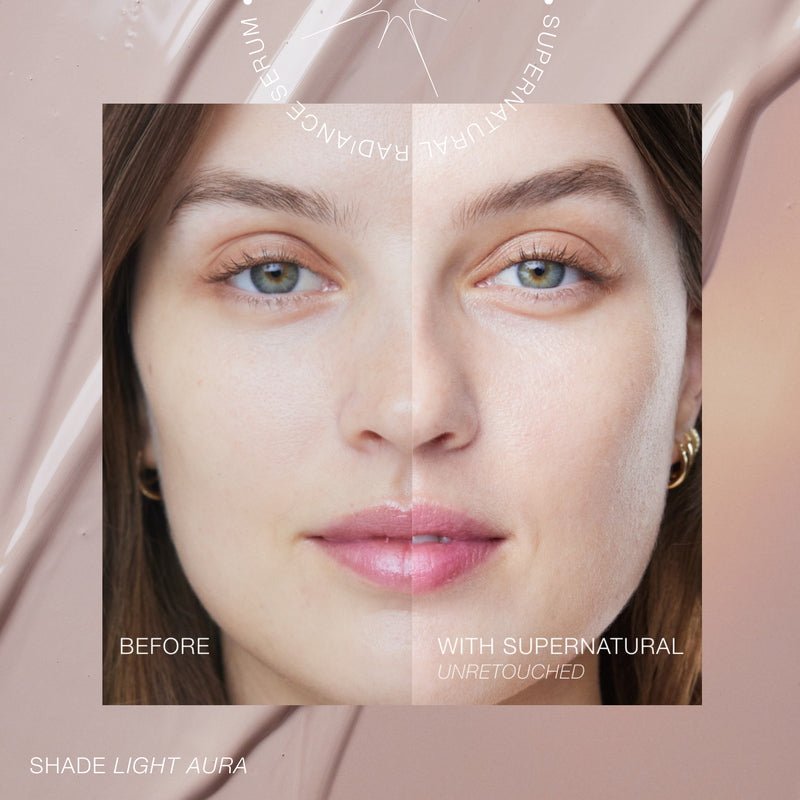
There are now also tinted mineral sunscreens for the face that not only protect well against UV rays but also give the skin an even and radiant appearance. Mineral sunscreen filters with nanoparticles are controversial because they may penetrate the skin and are not considered reef-safe. Unlike non-nano mineral filters, they can be absorbed by marine organisms and harm corals. Since their long-term effects on humans and the environment are not yet sufficiently researched, most natural cosmetics brands consciously avoid nanoparticles.
| Name of the mineral filter | Recommended? | Possible side effects |
| Titanium Dioxide (non-nano) | Yes | None |
| Zinc Oxide (non-nano) | Yes | None |
| Titanium Dioxide (nano) | No | Nanoparticles |
| Zinc Oxide (nano) | No | Nanoparticles |
Chemical Filters
Chemical filters have the advantage of a light texture and a transparent finish that do not leave a white cast on the skin. This also makes them suitable for application under makeup. However, some chemical sunscreen filters can cause irritation or allergic reactions in sensitive skin or people with allergies or skin conditions.
After application, you should wait about 20 minutes for the full effect of chemical sunscreen filters to develop. These can also break down faster under sunlight than mineral filters, which means you need to reapply more frequently.
| Name of the chemical filter | Recommended? | Possible side effects |
| Diethylhexyl Butamido Triazone | Yes | None |
| Bis-Ethylhexyloxyphenol Methoxyphenyl Triazine | Yes | None |
| Diethylamino Hydroxybenzoyl Hexyl Benzoate | Yes | None |
| Terephthalylidene Dicamphor Sulfonic Acid | Yes | None |
| Ethylhexyl Triazone | Yes | None |
| Butyl Methoxydibenzoylmethane | Yes | None |
| Octyl Methoxycinnamate | No | Hormonal effects |
| Homosalates | No | Hormonal effects and allergies |
| Benzophenones-3 to -5 | No | Hormonal effects and allergies |
| Octocrylene | No | Can accumulate in the body |
Sidebar: Which Sun Protection Factor Is Right?
In general, every sun protection factor (SPF) is suitable for every skin type. The crucial factor here is the so-called natural protection time: it indicates how long the skin can protect itself from the sun’s rays without UV protection. Depending on skin color, the natural protection time is shorter or longer. The rule is:
- very light skin: 5 to 10 minutes
- light skin: 10 to 20 minutes
- medium brown skin: 15 to 25 minutes
- dark skin: 20 to 30 minutes
This time is multiplied by the SPF to calculate the final protection time. For light skin with an SPF of 30, this would be 300 minutes (10x30 = 300). The skin would therefore be protected from UV rays for 300 minutes. Based on this, it can be said: the higher the SPF, the longer the protection time. It is therefore recommended to use a sunscreen with a high SPF even for darker skin to protect the skin from the sun for as long as possible.
Conclusion: Natural Cosmetic Sun Protection in Focus
Through the continuous improvement of natural cosmetic sunscreen formulations, these products are pleasant to use, leave a good feeling on the skin, and provide comprehensive broad-spectrum protection against harmful UV radiation. Therefore, consumers who use natural cosmetic sunscreen not only contribute to protecting their own skin but also help protect the environment by choosing products free from harmful chemicals and environmentally damaging ingredients. For this reason, natural cosmetic sun care is not only a smart choice for personal health but also for the health of our planet.