

















Natural scented candles – plant wax, fragrance & quality
A scented candle consists of wax, fragrance, and a wick. When lit, the wick melts the wax, and the fragrance unfolds throughout the room with the warmth. So far, so simple. However, the fragrance’s diffusion and character depend crucially on how the wax, fragrance, and wick are balanced. Inexpensive candles often consist of paraffin wax, a byproduct of petroleum processing. Depending on the brand, high-quality scented candles use plant-based waxes and carefully blended natural or synthetic fragrances. These differences are what make choosing one interesting.
Wax quality is crucial
Paraffin is made from fossil resources. Those who want to consciously choose renewable materials will find soy and rapeseed wax interesting alternatives. Burn time and soot production also play a role, though they depend not only on the wax but also on the wick, fragrance oil, and careful use. Stearin can come from various plant or animal fats. For stearin made from palm oil, the origin of the raw material is particularly important.
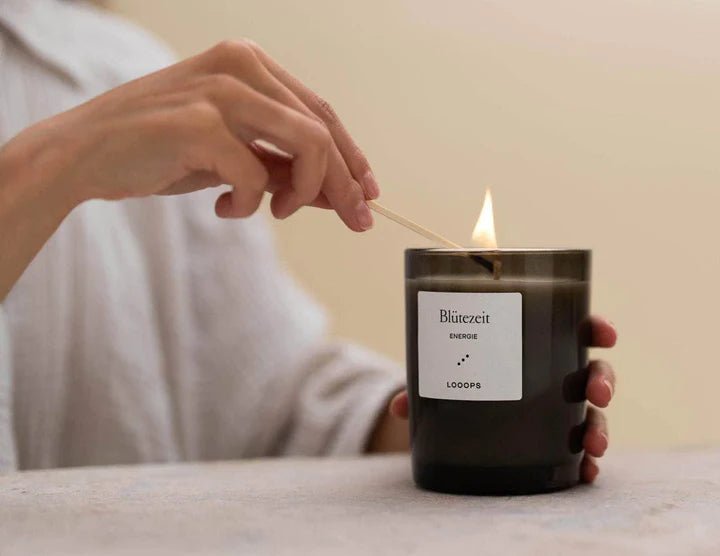
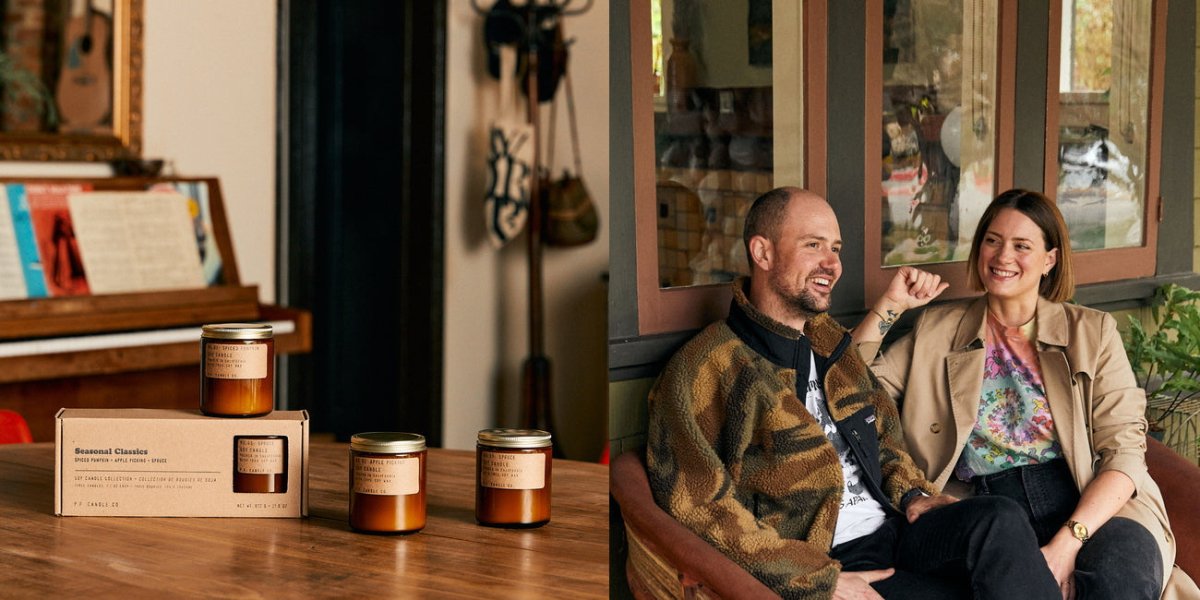
The plant-based and vegan alternative made from soy and rapeseed wax comes from renewable resources. For some brands, specific material and production details can also be verified: Looops handcrafts its candles in a workshop near Salzburg using soy and rapeseed wax – without paraffin or palm wax – and scents them with 100% pure essential oils. The large candle jars are designed for compatible refills, so there’s no need to buy a new jar with every refill. The workshop runs on 100% green electricity from hydropower and solar energy. P.F. Candle Co. hand-pours its vegan, cruelty-free candles in Los Angeles using 100% soy wax grown in the United States and cotton wicks. The fragrance blends used are phthalate-free.
- Soy wax has a comparatively low melting point; depending on the candle formulation, this can contribute to an even burn.
- A carefully balanced combination of wax and wick promotes an even melt pool and a lovely fragrance throw.
- Soy wax has a subtle natural scent, allowing the fragrance blend used to come through clearly.
Rapeseed wax has similarly interesting properties to soy wax and is particularly well suited to container candles. Rapeseed is also grown in Europe; when sourced regionally, this can mean shorter transportation distances. A product's environmental impact depends not only on where the raw materials come from, but also on cultivation, processing, packaging, and transportation. Responsibly selected raw materials are therefore a tangible advantage, but blanket environmental claims about all plant-wax candles would be too broad.
Mad et Len also uses 100% plant-based wax in its scented candles, which are handmade in France. The distinctive black iron containers are handcrafted in Morocco and Mauritania and are a special part of the design. Beeswax is another traditional candle ingredient. It is animal-derived and therefore not vegan. Its distinctive honey scent makes it especially appealing to lovers of classic wax candles.
The fragrance makes the difference
Fragrances can be derived from plant-based raw materials or specifically produced. Pure natural essential oils, for example, are extracted from flowers, bark, leaves, and fruit by distillation or pressing. However, expertly blended fragrances can also combine natural and synthetic ingredients. Both approaches make carefully developed, high-quality scented candles possible: P.F. Candle Co. combines natural and synthetic fragrance components to create complex home fragrances, while Looops develops its fragrance blends exclusively from pure natural essential oils. What matters is the actual character of each brand and its formula.
Essential oils are concentrated plant-based fragrances. Their aromas can create an atmosphere that we personally experience as invigorating, cozy, or relaxing. Whether a fragrance is derived naturally or synthetically says nothing in itself about how well it suits each individual. Natural fragrance components can also contain allergens. High-quality, select fragrances create a special mood in a room.
So many fragrances!
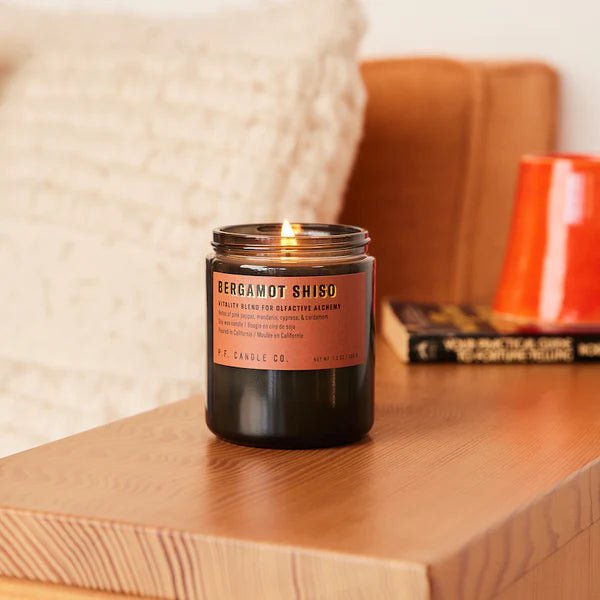
As with perfumes, there’s something for everyone when it comes to scented candles. Warm, elegant, and opulent notes like sandalwood and patchouli; zesty notes like bergamot, mandarin, or grapefruit; floral notes of lily of the valley, violet, and rose; or the ambery moods of vetiver, amber, and vanilla - candle perfumers create pleasant, surprising, and distinctive home fragrances for a special feel-good atmosphere. Natural, high-quality scented candles enhance the mood in any room, whether the living room, dining room, or bedroom.
Practical tips for scented candles
Proper candle care helps ensure an even burn and can improve a scented candle’s burn time. Always follow the instructions on the product.
- Trim your candle’s wick to about 5 mm before lighting it or once it has cooled, unless the product instructions say otherwise.
- Remove wick trimmings and foreign objects; do not leave wick trimmings in the candle jar.
- Before lighting the candle, make sure the wick is upright.
- For an even burn, the wax should ideally melt all the way to the edge of the container. However, never let candles burn longer than the manufacturer recommends.
- Place your scented candle on a level, heat-resistant surface and protect it from drafts.
- Never leave a burning candle unattended and keep it away from flammable objects, children, and pets.
- Burn time depends on the candle’s size, wax, and wick. For example, the large Looops scented candles, weighing 250 g, burn for around 55 hours; the standard scented candles from P.F. Candle Co. burn for about 40 to 50 hours, and the Graphite Candle from Mad et Len burns for around 65 hours.
For a special fragrance experience or even more coziness, you can place several scented candles around the room. Make sure to keep them at a safe distance from each other. Once a candle has burned down, suitable jars can be cleaned and reused, for example, to store small items. They should only be used for food if the manufacturer explicitly says they are suitable.
We firmly believe: There is hardly anything better than relaxing in a cozy atmosphere with your favorite fragrance.