




















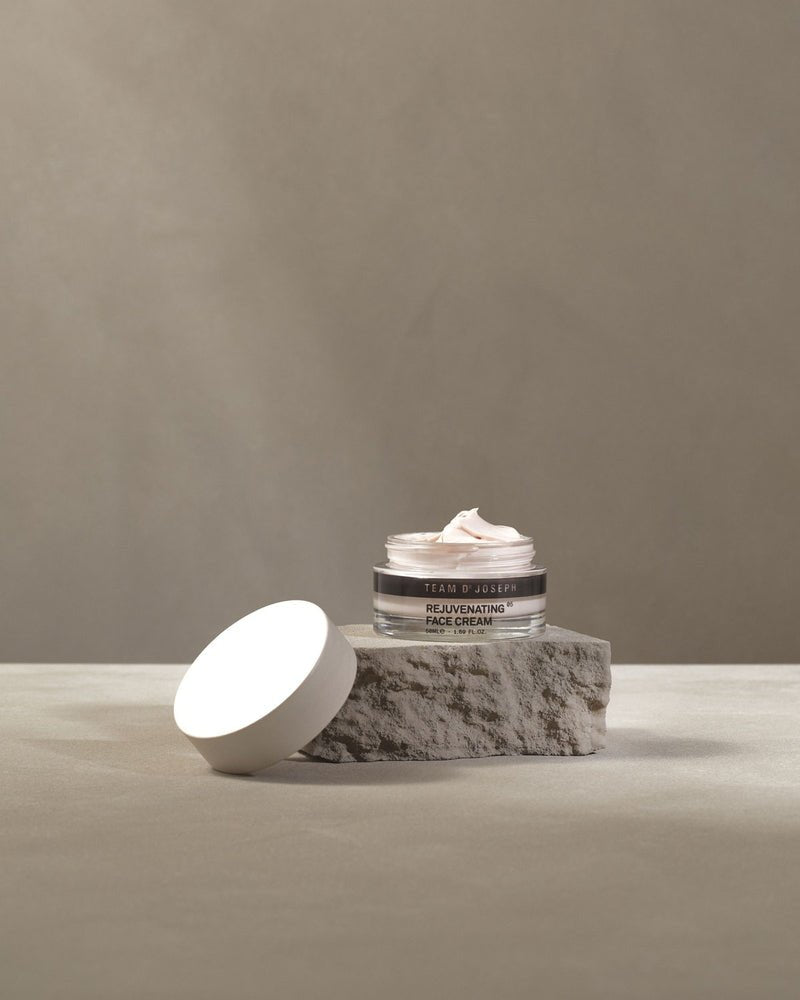


Natural Face Creams for Every Skin Type – Naturally Effective
Our language reveals just how deep our connection to our skin runs: “That gets under my skin,” “to fly off the handle” – these expressions show that our largest organ is far more than just a protective covering. It deserves thoughtful, intelligent care. Whether you’re looking for a rich face cream for dry and mature skin, prefer a lightweight texture for sensitive or oily skin, want to care for the first signs of aging, or are looking for a suitable routine for blemishes, combination skin, hyperpigmentation, or skin prone to redness – you’ll find high-quality natural face creams for a range of needs here. Because ultimately, we all want to be able to say: “I feel comfortable in my skin.”
What Is a Natural Face Cream Made Of?
Many face creams are based on three basic components: water, lipids (fats and oils), and emulsifiers, which combine the two phases. They also contain targeted active and nourishing ingredients that give the formula its special properties. The lipids can form a protective film on the skin that reduces moisture loss and prevents dryness – important for supple skin and its natural protective barrier.
Does My Skin Need a Face Cream?
The answer lies in your skin’s needs. Does it show signs of dryness, excess oil production, blemishes, or a dull complexion? Is it prone to redness or the first signs of aging? Then the right face cream can make a noticeable difference. Well-cared-for, balanced skin feels comfortable. While the skin is constantly renewing itself, environmental factors, stress, and lifestyle habits can change its needs. A high-quality face cream supports it where it needs extra care. For pronounced skin conditions, cosmetics are no substitute for medical treatment.
Day Cream and Night Cream – Different Needs
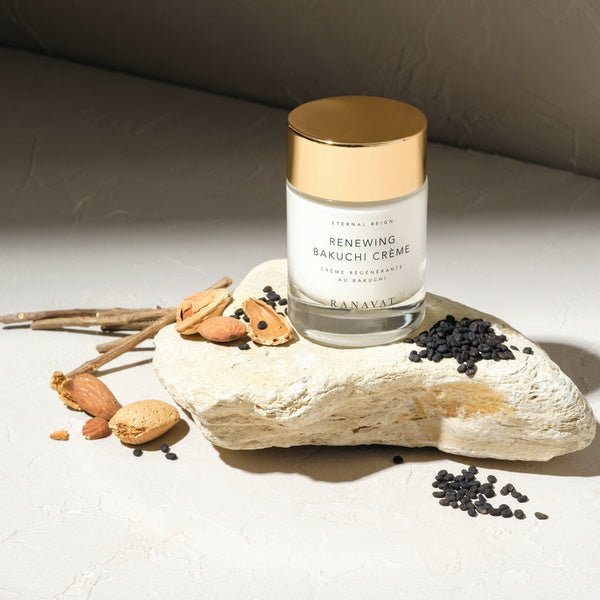
Day creams are often formulated to be lighter, absorb quickly, and work well as a base for sunscreen and makeup. Many contain antioxidant ingredients such as vitamin C or green tea extract. Night creams are often richer and nourish the skin overnight with ingredients such as evening primrose oil, bakuchiol, or hyaluronic acid. What matters, however, is not the time of day, but which texture and active ingredients suit your skin. A day cream without a stated sun protection factor does not provide reliable UV protection.
Face creams with sun protection – an important defense against premature skin aging
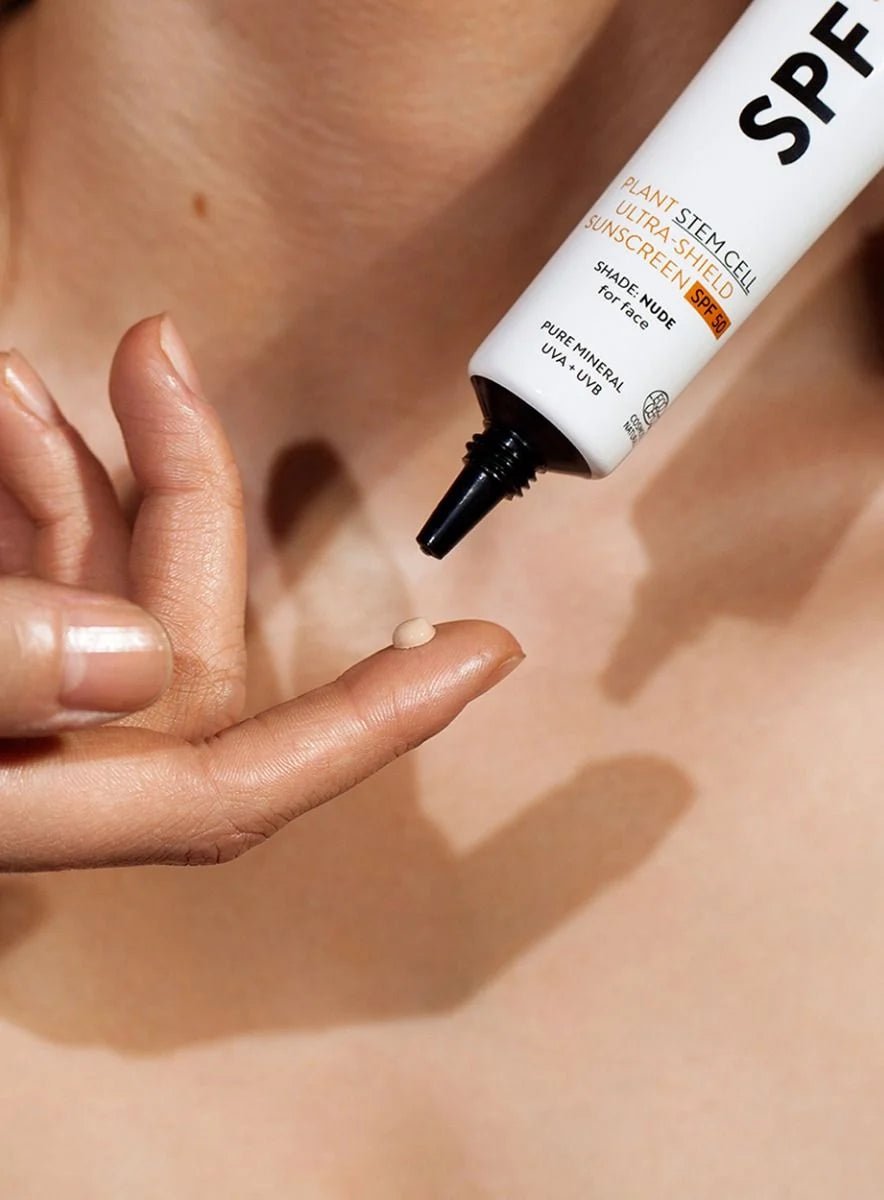
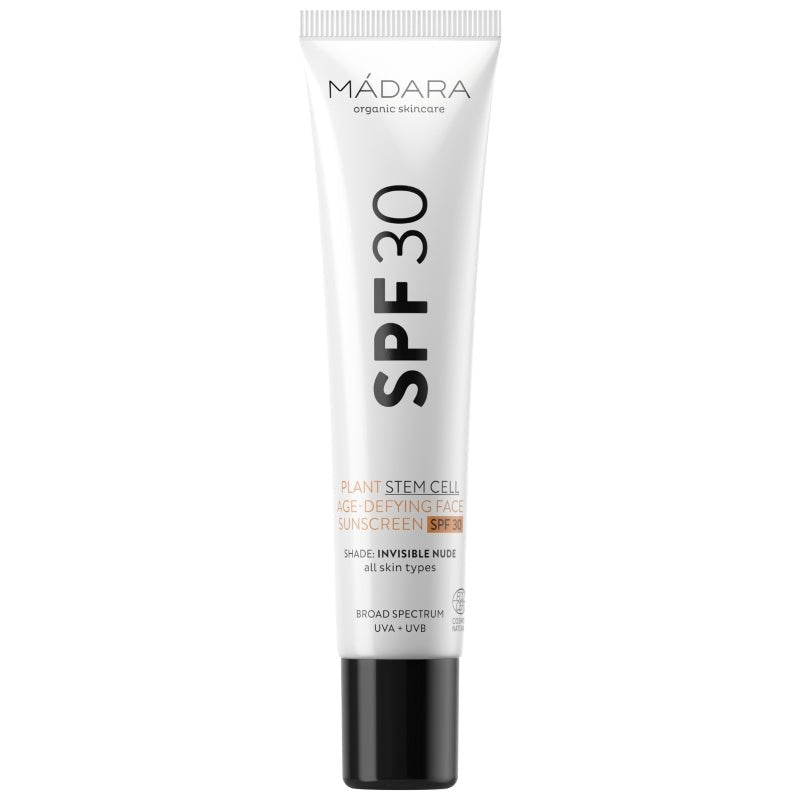
Consistent sun protection is one of the most important ways to prevent premature photoaging. UVA and UVB radiation contribute to wrinkles and changes in pigmentation, among other effects, and increase the risk of skin cancer. A face cream labeled with a sun protection factor can make your daily routine easier. Applying enough and choosing suitable broad-spectrum protection are important.
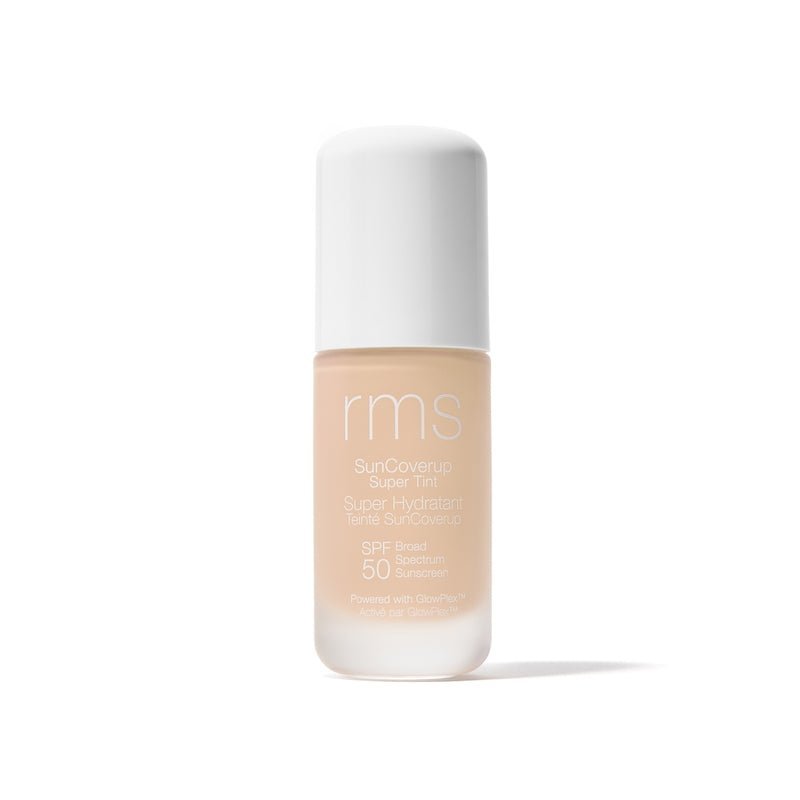
Sun protection for the face can be based on different UV filters: Mineral filters such as zinc oxide and titanium dioxide protect against UV radiation by primarily absorbing it and partly reflecting it. Modern formulas can reduce the white cast; this depends on the specific product and skin tone. Modern organic UV filters also absorb UV radiation and often allow for particularly lightweight, transparent textures. Whether a product qualifies as certified natural cosmetics depends on its complete formula and the relevant standard. For everyday use, broad-spectrum sun protection with at least SPF 30 is recommended – even on cloudy days.
Nature’s treasures – face creams with valuable plant compounds
Natural face creams often rely on carefully selected plant-based butters and oils, such as avocado oil, kokum butter, buriti oil, mango butter, sesame oil, or rosehip oil. They contain fatty acids and natural accompanying substances that can leave dry skin feeling soft and supple. Which cream feels best for you depends on the formula as a whole – not just on whether an ingredient is plant-derived or synthetic.
Extracts from herbs, flowers, fruits, and other plants provide valuable secondary plant compounds. Ingredients range from agave extract and amla to cinnamon and lemon myrtle. Some creams are scented with essential oils, such as rose, cedar, or geranium, while others are deliberately formulated without fragrance – particularly interesting for sensitive skin.
Face creams for every skin type and every skincare need
The variety of natural face creams makes it possible to find suitable care for different skin types:
- Face creams for dry and mature skin – Rich textures with oils, shea butter, or evening primrose oil replenish the lipid barrier and help retain moisture.
- Face creams for oily skin – Lightweight gel creams and fluids with ingredients such as jojoba oil or niacinamide care for skin without feeling unnecessarily heavy.
- Face creams for sensitive skin – Well-tolerated formulas with selected soothing ingredients such as oat, aloe vera, or panthenol.
- Face creams without essential oils – A good choice for people who want to avoid essential oils; the product’s INCI list shows whether it is completely fragrance-free.
- Face creams for combination skin – Balancing care for an oilier T-zone and drier cheeks.
- Face creams for acne and blemish-prone skin – Lightweight, moisturizing formulas suited to blemish-prone skin without unnecessarily drying it out.
- Anti-aging face creams – Active ingredients such as hyaluronic acid, vitamin C, or bakuchiol can improve the appearance of fine lines and keep skin soft and supple.
- Face creams for hyperpigmentation – Vitamin C, licorice, or niacinamide for a more even-looking complexion; daily sun protection remains important.
- Face creams for redness, couperose, and rosacea – Soothing care with ingredients such as green tea or Centella asiatica can help support skin comfort; it does not replace medical treatment.
- Face creams for normal skin – Balanced moisturizing care for smooth, supple skin.
Effective ingredients in natural face creams
Natural face creams use proven active ingredients that address different skin needs. These ingredients are particularly noteworthy:
- Hyaluronic acid – Binds moisture and can make the skin’s surface look plumper. Especially pleasant for dehydrated skin.
- Vitamin C – An antioxidant active ingredient that, depending on the formulation, can contribute to a more even skin tone and improve the appearance of dark spots.
- Bakuchiol – A plant-based active ingredient that can improve the appearance of fine lines and uneven skin; tolerance depends on the product and your skin.
- Retinol / vitamin A – A well-studied cosmetic active ingredient that can make skin look smoother and more even. Gradual introduction is recommended.
- Niacinamide (vitamin B3) – Supports the skin barrier and is worth considering for uneven skin tone, visible pores, and redness-prone skin.
- Squalane – A lightweight, smooth lipid that can reduce moisture loss. Also pleasant for many people with combination or oily skin.
Optimal moisturizing care without unnecessarily heavy textures
Good hydration without an unpleasant greasy film is especially important for combination and oily skin. Lightweight creams and fluids can provide moisture without feeling heavy. However, whether a formulation is prone to clogging pores cannot be determined solely from the term “natural cosmetics” or individual raw materials. Consider your skin type and the complete formula.
Gentle care for sensitive skin
If you have sensitive skin, finding the right skincare products can be challenging. Natural cosmetics also offers simplified and fragrance-free formulations. Nourishing ingredients such as oat, aloe vera, or panthenol can feel soothing; however, not every skin type tolerates natural fragrances or essential oils well. If you want to avoid these ingredients, look specifically for suitable fragrance-free creams in natural cosmetics.
Anti-aging with natural active ingredients
Antioxidant ingredients can help protect the skin from oxidative stress. Moisturizing skincare often makes dryness lines less noticeable; depending on the formulation, other active ingredients may improve the appearance of fine lines and uneven skin tone. A consistent routine and daily UV protection are especially important.
Vegan Face Creams and Other Natural Cosmetics
If you prefer vegan skincare, you’ll find plenty of suitable face creams in our selection. Other formulations, for example, contain beeswax or other ingredients of animal origin. Whether a product is vegan therefore depends on the individual product. All cosmetics sold in the EU must also meet the applicable legal requirements for animal testing and product safety.
Mindful Choices in Raw Materials and Packaging
Many natural cosmetics brands pay close attention to the origins of their plant-based raw materials, certified organic farming, and packaging practices. Whether a cream has a natural cosmetics certification, which ingredients come from certified organic farming, or whether packaging components can be recycled varies by product and brand. Learn more about selected ingredients in our ingredients guide. You’ll find specific information about manufacturing and materials on the individual product pages.
Order Natural Face Creams Online – Your Benefits
You can order high-quality natural face creams from us online and have them conveniently delivered to your home. Our range includes carefully selected brands and different formulations for dry, oily, combination, and sensitive skin, as well as specific skincare needs. If you’re unsure which to choose, we’re happy to help.
You’re also welcome to visit us in person at our store in Reutlingen, where we can offer personalized advice and you can explore our face creams on site.
Conclusion – Buy Natural Face Creams
A good face cream should above all suit your skin: it moisturizes, nourishes with carefully selected lipids, and adds active ingredients tailored to your individual needs to your daily routine. Whether you prefer a lightweight gel cream, rich moisturizer, or face cream with sun protection, you’ll find a range of textures with us for a comfortable, well-cared-for feel.