


















A shiny film of oil covers the face. The sebaceous glands are working overtime, and an overproduction of skin oil/sebum clogs the pores. Oily skin is a breeding ground for bacteria that can cause inflammation of the sebaceous glands, leading to pimples and blackheads, also called comedones. Your skin shows only few lines and wrinkles. The outermost skin layer is often poorly supplied with blood and can therefore appear dull and has a rather large-pored appearance. If it is also particularly moist, you have oily-moist skin. If your skin is rather dry and shows slightly flaking oil scales, it is oily-dry skin. It is somewhat more sensitive and tends to feel tight after washing.
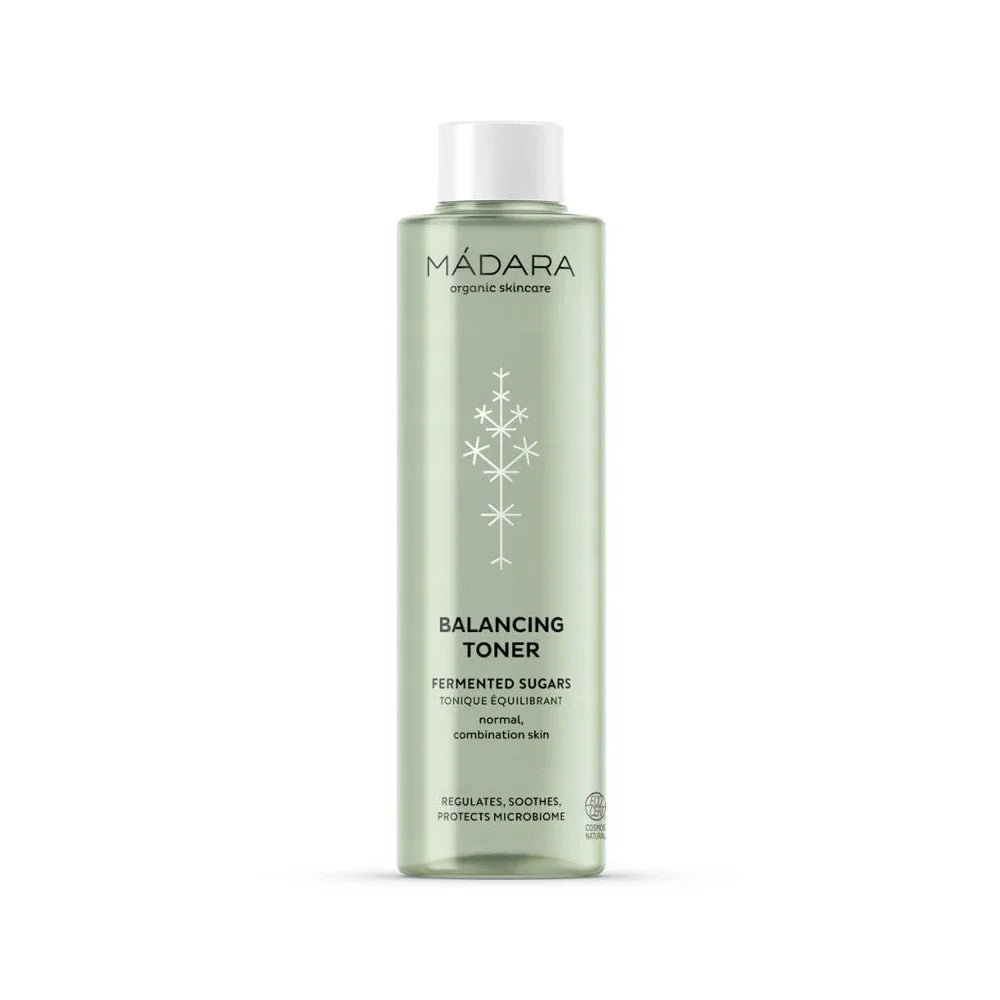
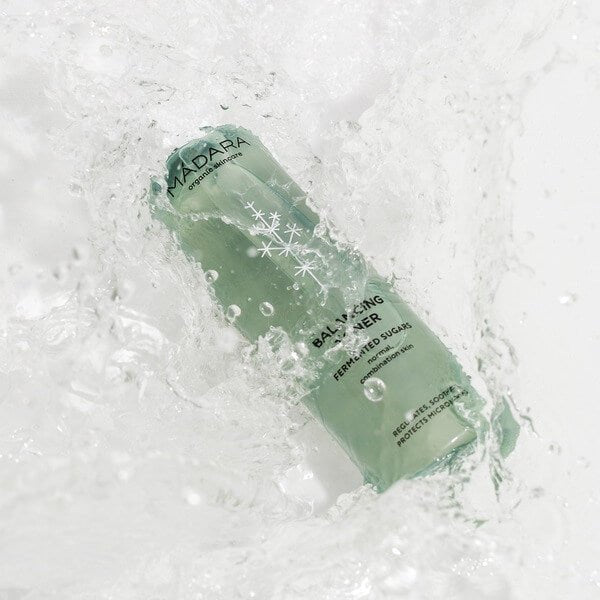
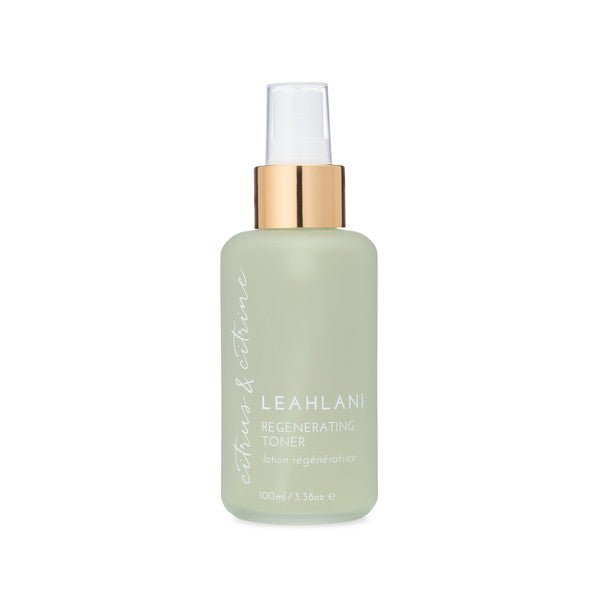
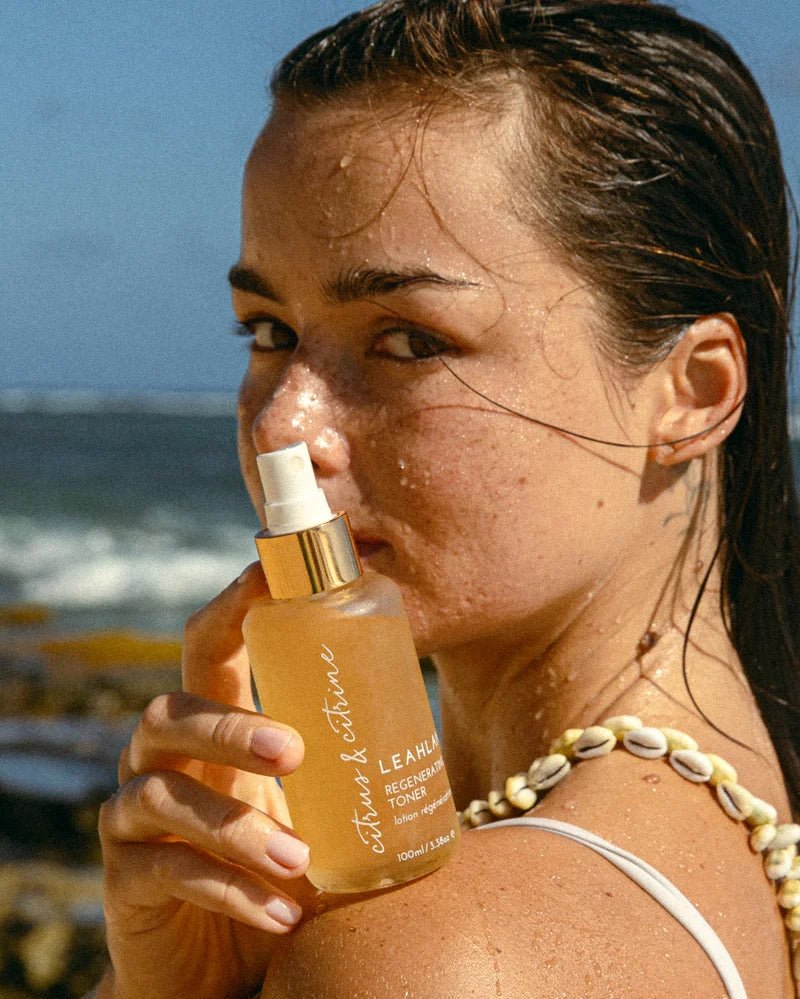
To keep the pores clear and prevent the growth of bacteria, consistent cleansing is essential for oily skin. Washing the face thoroughly with a gentle cleanser morning and evening is the foundation. Then use a toner with mild disinfecting properties. To remove dead skin cells, use a peeling once or twice a week. The so-called double cleansing is also recommended for oily skin types. First, remove makeup and impurities with a cleansing oil, then deeply cleanse the skin from dirt with a foam or cleansing gel. After that, the skin will appreciate a water-based serum and light moisturizers or facial oils. Some products explicitly carry the label "non-comedogenic," which means these products do not contain substances that clog the pores.