




Skincare with Retinol (and its Derivatives)
|
|
Time to read 3 min








|
|
Time to read 3 min
A retinol serum effectively combats signs of skin aging. Retinol is a widely used form of retinoid and a derivative of vitamin A, which is why it is often referred to as vitamin A1. Retinoids include various vitamin A derivatives such as retinol, retinoic acid, retinal, and retinyl palmitate, which differ in their effectiveness and application. Retinol is the most commonly used over-the-counter form, valued in natural cosmetic products for its efficacy and tolerability.
Skincare with retinol is excellent for preventing wrinkles, treating acne, brightening skin discolorations, and reducing pigmentation. It stimulates collagen production, improves skin texture, and can slow down the aging process, leading to more radiant and revitalized skin.
Table of Contents
Retinol and its derivatives are key components of many skincare products and play a significant role in skin regeneration and anti-aging care. To gain a comprehensive understanding of their effects and differences, it is important to know the various forms of vitamin A derivatives and their specific properties.
1. Vitamin A derivatives include all compounds derived from vitamin A, including retinoids.
2. Retinoids are a group of compounds derived from vitamin A. They include all derivatives and relatives of vitamin A used in skincare. Retinoids encompass various forms such as retinol, retinal (retinaldehyde), and retinoic acid (tretinoin).
3. Retinol (vitamin A1) is a form of vitamin A used in numerous skincare products. Compared to stronger retinoids, retinol is considered milder and less intense in its effect. Retinol must first be converted in the skin into retinal and then into retinoic acid to become active. This makes it gentler but also less effective than stronger retinoids.
4. Retinyl palmitate is another vitamin A derivative. It is an ester of retinol and palmitic acid used in skincare products. Retinyl palmitate is milder than retinoic acid and is often used in over-the-counter products.
5. Retinal (also called retinaldehyde) is another form of vitamin A and an intermediate in the conversion of retinol to retinoic acid. It has similar but often milder effects than retinoic acid and is used in some cosmetic products.
6. Retinoic acid (also known as tretinoin) is the active form of vitamin A and acts directly on skin cells. It is often used to treat acne and reduce wrinkles. Due to its strong effect, retinoic acid can cause skin irritation and is often prescription-only.
Retinol penetrates the upper layers of the skin and is enzymatically converted there into retinal (retinaldehyde) and then into retinoic acid (tretinoin).
Retinoic acid acts as the active form of vitamin A directly on skin cells and is responsible for improving skin texture, brightening pigmentation spots, and reducing wrinkles. Retinol stimulates collagen production, accelerates cell regeneration, and helps improve skin texture as well as prevent clogged pores, which is especially important in acne treatment.
Start your new skincare routine slowly and observe how your skin reacts. Natural cosmetic products with retinol should initially be used only twice a week in the evening to gradually accustom the skin to the active ingredient. If well tolerated, the application can be increased to several days per week.
In natural cosmetics, retinol is valued for its strong effects, but caution is advised during use, as it can cause redness in sensitive skin. For gentle introduction, it is recommended to first test the serum on a small skin area and gradually increase the frequency of use. Since retinol promotes cell renewal, the outermost skin layer is shed faster, making the skin more sensitive to environmental influences and sun exposure. Therefore, it is essential to use a high-quality, natural sunscreen during the day.
Furthermore, you should avoid using retinol during pregnancy, as high-dose oral retinol preparations are suspected to have potential teratogenic effects.
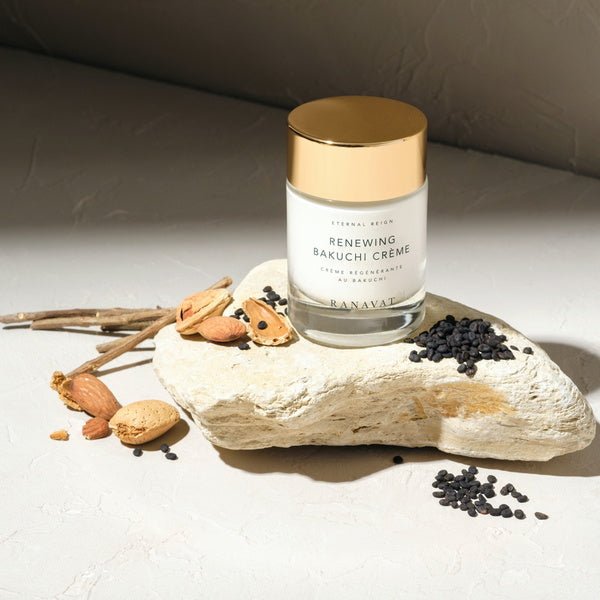
During pregnancy, or for particularly sensitive or dry skin, you can also consider retinol alternatives like bakuchiol. Bakuchiol is a plant-based ingredient that offers similar benefits to retinol but is gentler on the skin and causes less irritation.
Other options include phyto-retinoids such as the extract from moth bean (Vigna Aconitifolia), which can also help improve skin texture and promote cell renewal without overly stressing the skin. Or the organic retinol Bidens Pilosa, known in German as behaarter Zweizahn, which is attributed with similarly strong antioxidant and renewing properties as retinol.
You can also use Cacay oil, which naturally contains a high concentration of vitamin A. These alternatives are ideal for sensitive skin or during pregnancy, as they are considered safe and well tolerated.


