
















Floral fragrances can feel delicate, crisp, and airy—but also green, creamy, powdery, spicy, or dark. Rose, jasmine, orange blossom, tuberose, gardenia, and iris are among the best-known floral notes in perfumery. But it’s their combination with citrus fruits, leaves, woods, musk, spices, or resins that makes each fragrance unique. A floral perfume doesn’t have to be romantic or classic. It can evoke a sunny path lined with linden trees, fresh magnolia and water lily, green tuberose, silky iris, or dark jasmine with incense and leather. This very diversity is what makes floral fragrances so fascinating.


What makes a fragrance floral?
A fragrance is described as floral when floral notes define its character. This could be a single flower, such as rose, jasmine, or iris. Often, though, the impression comes from a bouquet that blends several flowers.
Rose can smell fresh, green, fruity, or dark. Depending on the composition, jasmine can come across as radiant, creamy, animalic, or smoky. Tuberose and gardenia often bring a lush, warm quality, while orange blossom and neroli smell brighter and sunnier. Iris gives many fragrances an elegant, powdery depth.
Floral fragrances often span several fragrance families. They can be fresh, citrusy, green, creamy, powdery, spicy, or balsamic all at once. The order of the fragrance families shows which facet stands out most in a perfume.
The key floral notes in floral fragrances
Rose: multifaceted, from fresh to dark
Rose is one of the most versatile fragrance notes of all. It can smell light and transparent, but also velvety, spicy, fruity, or dark. Green leaves, pepper, or citrus notes make it feel more modern and crisp. Patchouli, woods, or resins give it depth.
Jasmine: radiant, warm, and sensual
Jasmine brings radiance and warmth to a fragrance. Depending on what it’s paired with, it can smell bright and airy, soft and creamy, or deep and smoky. Jasmine pairs especially beautifully with orange blossom, sandalwood, musk, or incense.
Tuberose and gardenia: creamy white florals
Tuberose and gardenia are lush, intense floral notes. They can smell sunny, creamy, velvety, or exotic. Paired with citrus fruits and green notes, they stay fresher; vanilla, sandalwood, or musk add more warmth.
Orange blossom and neroli: bright, sunny, and soft
Orange blossom smells honeyed, soft, and radiant, while neroli often comes across as fresher, greener, and more citrusy. Both notes evoke warmth, Mediterranean gardens, and bright, open air. They pair especially well with bergamot, mandarin, white musk, and delicate woods.
Iris and violet: powdery, elegant, and delicate
Iris is one of the most precious floral notes in perfumery. It often smells powdery, dry, soft, and elegant. Violet can add a green, slightly sweet, or powdery cosmetic quality. Paired with musk, ambrette, vanilla, or sandalwood, it creates especially soft, skin-close fragrances.
Floral, fresh, creamy, or powdery?
These styles often overlap, but have different focal points.
Fresh floral fragrances combine flowers with citrus fruits and water or air accords. They feel transparent and light.
Green floral fragrances focus more on leaves, stems, galbanum, herbs, or bitter roots. They are less sweet and often more unusual.
Creamy floral fragrances combine white flowers with sandalwood, rice notes, coconut, vanilla, or musk. They feel soft, sunny, and enveloping.
Powdery floral fragrances are often characterized by iris, violet, ambrette, or soft musk. They evoke cashmere, powder, or a subtle cosmetic warmth.
Your guide to floral fragrances
Floral perfumes can smell very different. Perhaps you like transparent blossoms, fresh green accents, sunny orange blossom, creamy white flowers, or darker, spicy florals with depth.
Bright & transparent
Do you like floral fragrances that feel airy, clear, and not too sweet? Magnolia, linden blossom, water lily, or soft honey notes give this style lightness and a natural feel. These perfumes are like a bright spring day without feeling ordinary.
Examples from our selection
Liis Lucienne Eau de Parfum combines pomelo and lemon zest with magnolia, dragon fruit, and water lily. A marine accord and shell notes give the fragrance a clear, light-filled freshness.
Frau Tonis No. 10 Linden Berlin captures the scent of blooming linden trees with green leaves and a subtle hint of honey. Sunny and soft, it evokes a warm early-summer stroll through the city.
Green & distinctive
Do you like florals but not overly polished or sweet compositions? Green leaves, basil, galbanum, roots, or herbs give floral perfumes an exciting, natural edge. This style feels modern, vibrant, and often especially distinctive.
Examples from our selection
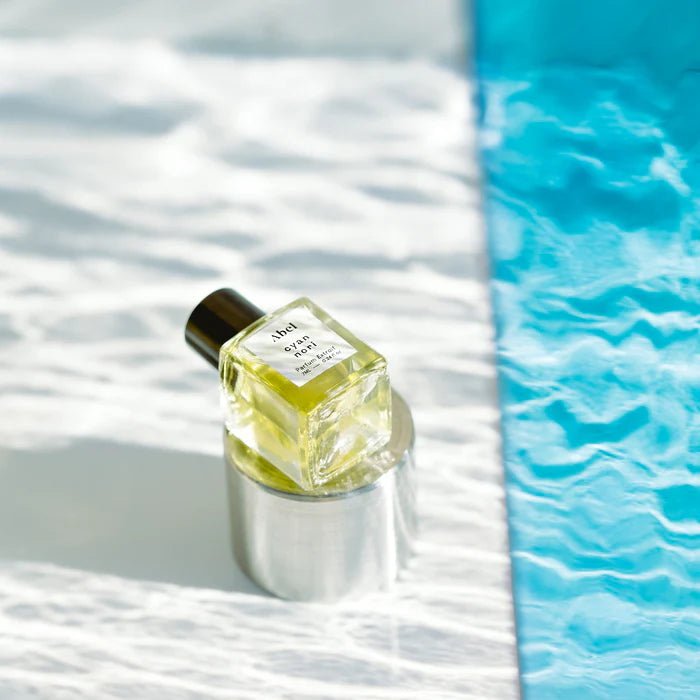
Abel Pink Iris Eau de Parfum combines Sichuan pepper, raspberry leaf, and basil with iris, rose, and jasmine. Vanilla and musk give the fragrance a soft drydown without diminishing its clear, green freshness.
Naomi Goodsir Nuit de Bakélite Eau de Parfum shows tuberose at its greenest and most unconventional. Galbanum, angelica root, and saffron meet darker notes of birch tar, labdanum, and styrax. A floral fragrance with plenty of edge.
Sunny & citrusy
You love orange blossom, neroli, and white flowers with a bright, Mediterranean freshness? Bergamot, mandarin, petitgrain, and green orange leaves keep these fragrances lively and light. They feel warm, but never heavy.
Examples from our selection
Voyages Imaginaires Azahar Eau de Parfum combines bergamot and mandarin with petitgrain, tuberose, and orange blossom. Vanilla and orange leaves give the fragrance a soft, sun-warmed depth.
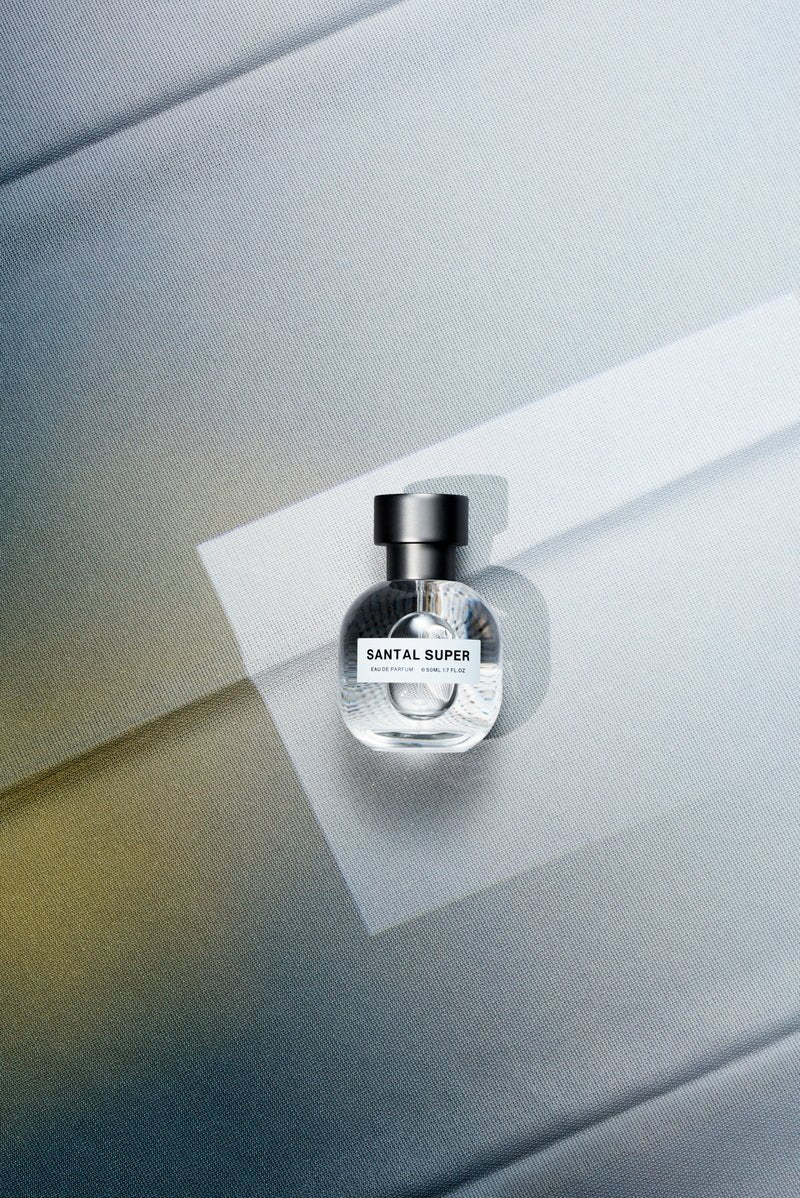
Son Venïn 3007 Eau de Parfum opens with neroli and orange blossom. Jasmine, vanilla, white musk, sandalwood, and cedarwood create a bright floral fragrance with a soft, warm base.
Creamy & white floral
You love lush flowers but want a soft, calm, and smooth effect? Tuberose, gardenia, and orange blossom come together here with rice, sandalwood, vanilla, or musk. These fragrances feel warm, sensual, and pleasantly enveloping.
Examples from our selection
Élisire Extrait Blanc combines orange blossom and Indian tuberose with basmati rice, sandalwood, and musk. A bright, creamy fragrance that presents white flowers in a particularly modern and refined way.
Leahlani Kiele Essence of Gardenia puts gardenia center stage and combines it with lemon, sweet orange, and Tahitian vanilla. Radiant, soft, and warm - like a lush garden in the sun.
Spicy & dark
Do you like floral fragrances with depth, spices, resins, or a slightly smoky base? Here, incense, leather, saffron, amber, or opoponax give iris, rose, and jasmine a darker, more mysterious side. These fragrances are distinctive, but not necessarily loud.
Examples from our selection
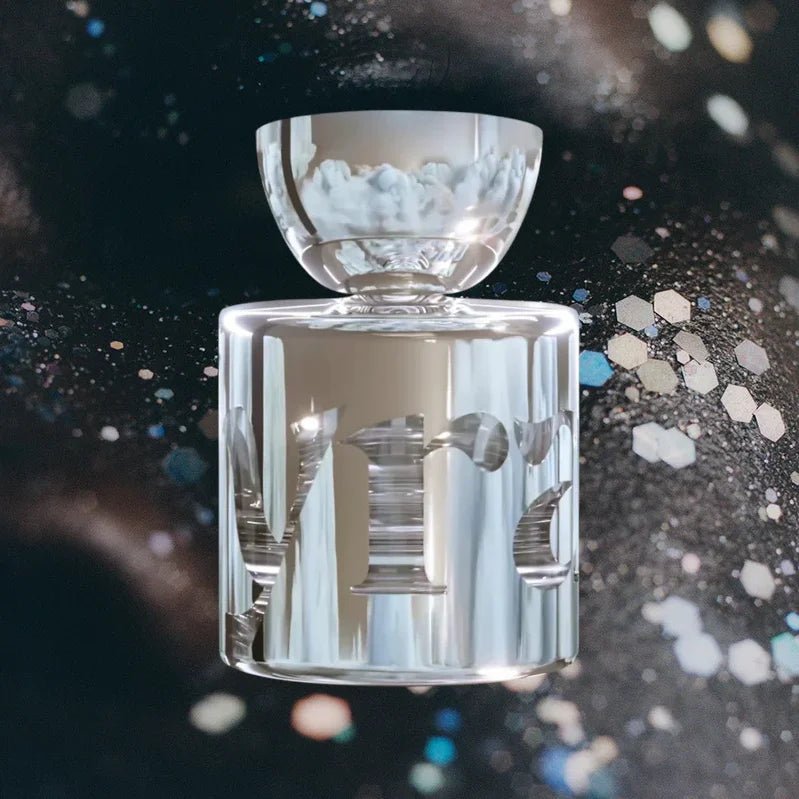
Vyrao Witchy Woo Eau de Parfum blends ambrette and pink and black pepper with iris root and rose. Patchouli, labdanum, and white musk give the fragrance a warm, powdery, slightly mystical depth.
A.N Other FL/2018 Perfume combines saffron and elemi with night-blooming jasmine, mate, leather, cashmeran, labdanum, and amberwood. A floral fragrance of contrasts: bright and dark, soft and leathery at once.
Experience floral fragrances on your skin
Floral perfumes are especially worth giving a little time. Bright citrus notes, green leaves, or spices often appear first. The flower itself often unfolds only after a few minutes. Later, musk, woods, vanilla, resins, or powdery notes become more prominent.
We explain how a perfume changes from the first spray to the dry-down in our article Top, Heart, Base Notes: What a Perfume’s Fragrance Pyramid Means.
With our perfume samples, you can take your time testing different floral styles on your skin and discover whether you’re drawn to transparent florals, green rose, white tuberose, or dark jasmine.
Frequently asked questions about floral fragrances
What does floral mean in perfume?
Floral fragrances are characterized by floral notes. These include rose, jasmine, tuberose, gardenia, orange blossom, neroli, iris, violet, and linden blossom, among others.
Floral perfumes are often given a surprising, modern interpretation today. Learn more in our article Modern Florals: Floral Perfumes Reimagined.
Are floral fragrances always sweet?
No. Floral perfumes can smell fresh, green, citrusy, powdery, woody, or spicy. Sweetness often comes from pairing them with vanilla, tonka bean, honey, fruits, or balsamic notes.
What are white flowers in a perfume?
White flowers usually refers to jasmine, tuberose, gardenia, orange blossom, neroli, or ylang-ylang. They can smell bright and radiant, as well as warm, creamy, and opulent.
What is a modern floral fragrance?
Modern floral fragrances pair flowers with unexpected contrasts, such as salt, tea, spices, green leaves, smoke, woods, or mineral notes. This makes them feel less classic and often more distinctive.
Which floral fragrances are suitable for everyday wear?
Bright, transparent, or green-floral perfumes are often especially lovely for everyday wear. Magnolia, linden blossom, iris, neroli, orange blossom, or delicate rose notes often feel easygoing and approachable.
Do floral fragrances last long?
That depends on the concentration, your skin, and the composition. Light citrus and floral notes are often noticeable first, while musk, woods, resins, vanilla, or ambrette can linger on the skin longer.
Discover our fresh fragrances, green fragrances, creamy fragrances, powdery fragrances, citrusy fragrances and spicy fragrances as well. For more guidance, read our article Understanding Fragrance Families: A Guide to Natural Perfumes.