








Natural Scalp Care: Serums, Shampoos & Exfoliants
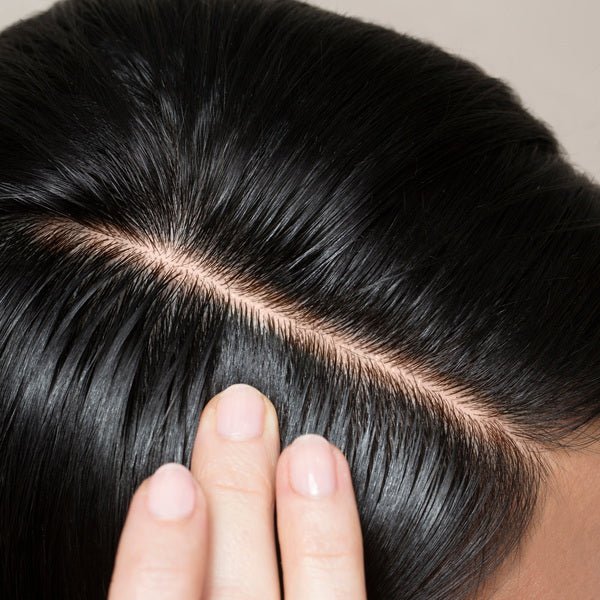
A healthy scalp is the foundation for beautiful hair. Our selection of natural scalp care includes gentle shampoos, clarifying scalp exfoliants, soothing scalp serums, and nourishing oils—suited to dry, itchy, sensitive, or quickly oily scalps. It includes both certified natural cosmetics and selected clean beauty products. Many products are free from silicones and harsh cleansing sulfates. Ingredients such as aloe vera, chamomile, and jojoba can soothe the scalp and care for its natural skin barrier; rosemary is popular for its refreshing, invigorating qualities.
How do you choose the right one? Choose based on your scalp’s condition (e.g., dandruff, dryness, or roots that get oily quickly), your preferred texture, and, if applicable, certification standards. What matters most is whether you’re looking for a gentle cleanse, a targeted pre-wash treatment, or a lightweight leave-in scalp serum. The right regular care can ease feelings of dryness, excess sebum, and dryness-related flakes, and help support your scalp’s natural balance.
Which scalp care is right for me?
The best scalp care depends not only on your hair type but, above all, on how your scalp feels. A dry scalp often needs different textures than roots that get oily quickly. Here’s a guide:
- Dry or tight-feeling scalp: Choose a gentle, moisturizing shampoo and, if needed, a lightweight scalp serum or nourishing scalp oil. The Innersense Hair Renew Scalp Hairbath combines fermented willow bark with pumpkin seed oil for a gentle cleanse.
- Itchy or sensitive scalp: Less is often more. Look for gentle cleansing products, a comfortable texture, and products that suit your individual needs. If you experience severe itching or persistent redness, it’s a good idea to consult a dermatologist.
- Oily scalp and product buildup: A clarifying shampoo or gentle exfoliant can remove excess sebum and styling residue. The Rahua Scalp Exfoliating Shampoo combines cleansing and exfoliation in one step.
- Dryness-related flakes: Gentle scalp care and moisture are a good approach. The Mádara Scalp Peel Serum loosens dead skin flakes with lactic acid and nourishes with hyaluronic acid. For persistent dandruff or seborrheic dermatitis, a medicated anti-dandruff shampoo may be needed.
- Between-wash scalp care: A leave-in scalp serum or toner complements your hair wash without being rinsed out. The Innersense Hair Renew Daily Active Serum is a lightweight treatment for daily use.
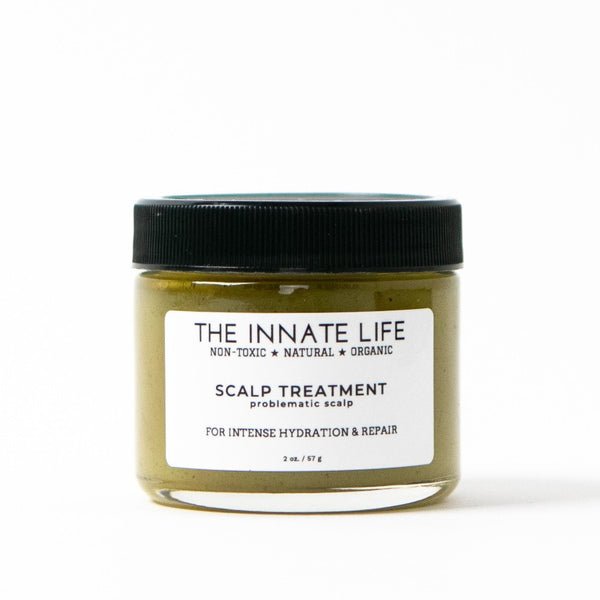
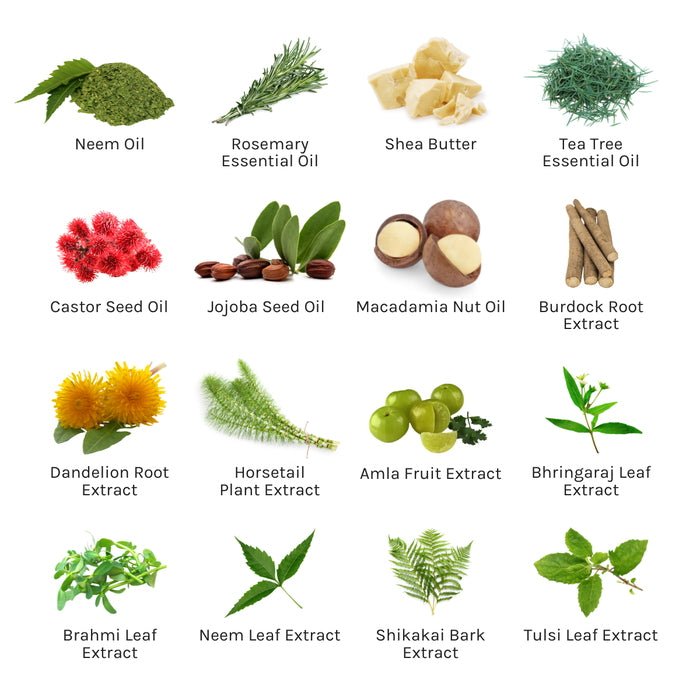
If you prefer a more intensive care ritual, you can apply a Rosemary Scalp Treatment by The Innate Life before washing your hair. Choose the right product based on your scalp's needs, scent preferences, and desired application - not solely on the promise of “more hair growth.”
Scalp care starts when you wash your hair
The foundation of a balanced scalp is thorough cleansing when washing your hair. The right natural cosmetics shampoo removes excess oil, dirt, dead skin cells, and product buildup. Product residue can accumulate on the scalp and at the hairline, making hair feel heavy or get greasy faster. When choosing a shampoo, it's important to consider your scalp's needs and your hair type. For a scalp prone to dryness and flaking, for example, the Innersense Hair Renew Scalp Hairbath with fermented willow bark and pumpkin seed oil is worth considering.
Some shampoos contain soothing ingredients such as pink lotus, comfrey root, rose distillate, or calendula, which can help relieve irritation and soothe the scalp.
Other shampoos are formulated to retain moisture and support scalp balance. Moisturizing shampoos may contain ingredients such as aloe vera extract or juice, Lactobacillus ferments, D-panthenol (provitamin B5), and radish root ferment. Depending on the formula, they help keep the scalp supple and well cared for and can relieve feelings of dryness.
A gentle scalp massage while shampooing can temporarily stimulate local circulation and feels soothing. It's important to massage without applying too much pressure, especially if you have a sensitive scalp.
Detox shampoo and scalp scrub
Detox shampoos provide a special cleansing boost for the scalp. These clarifying shampoos thoroughly remove product residue, excess sebum, and dead skin flakes. Depending on the product and scalp, using one about once a week is often enough; the manufacturer's recommendations and individual tolerance are key.
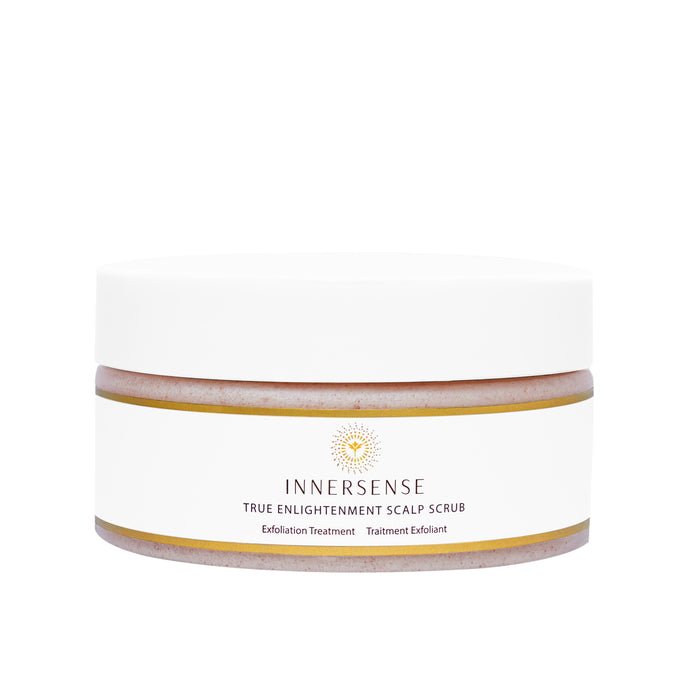
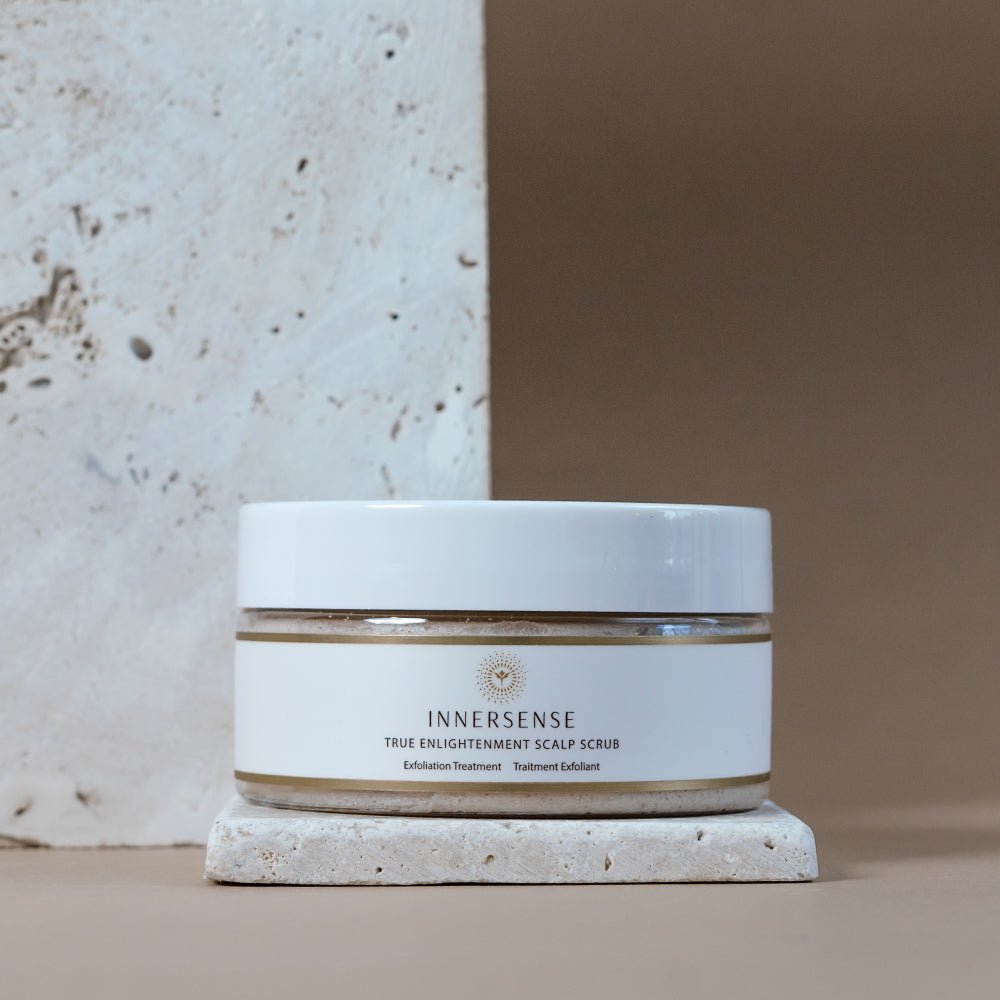
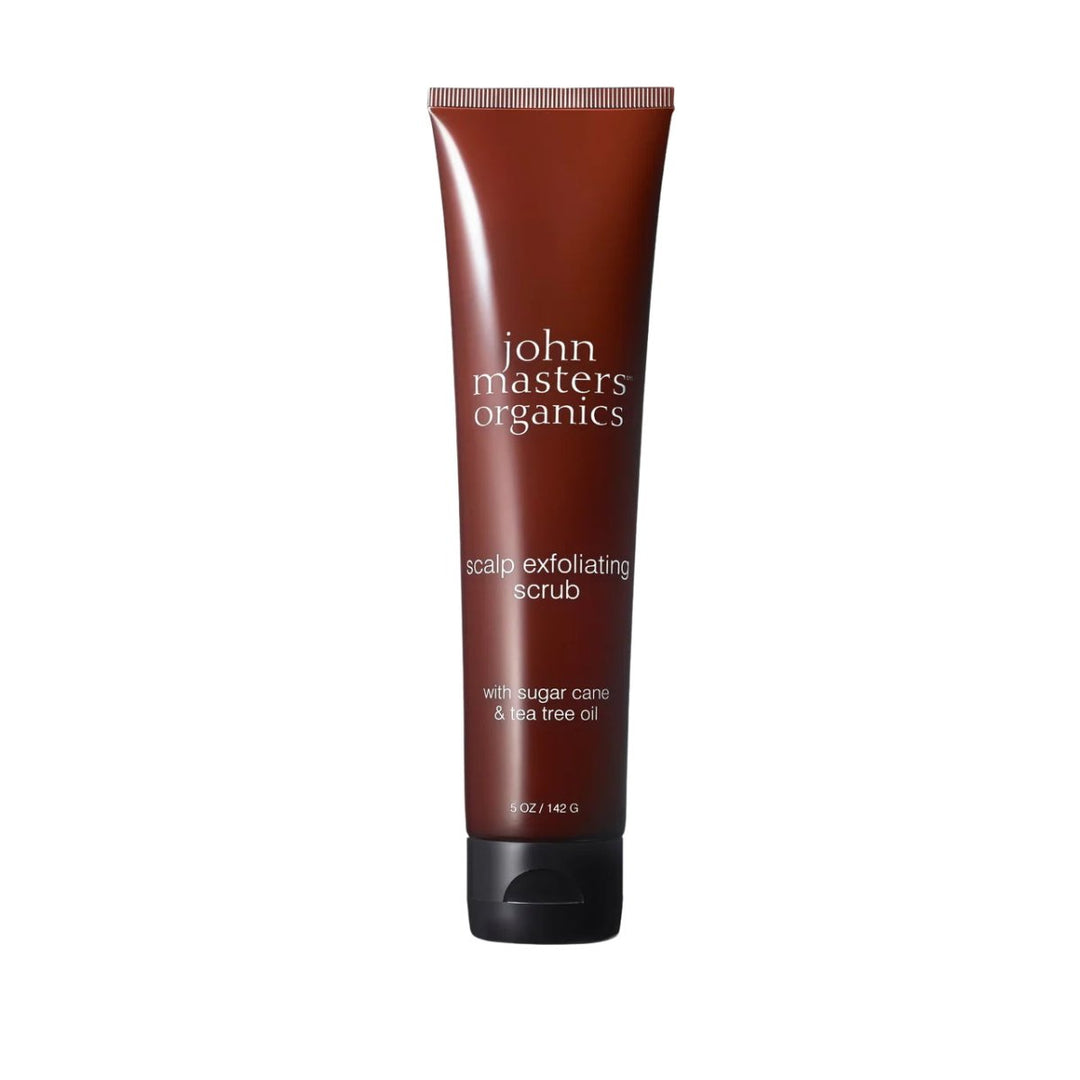
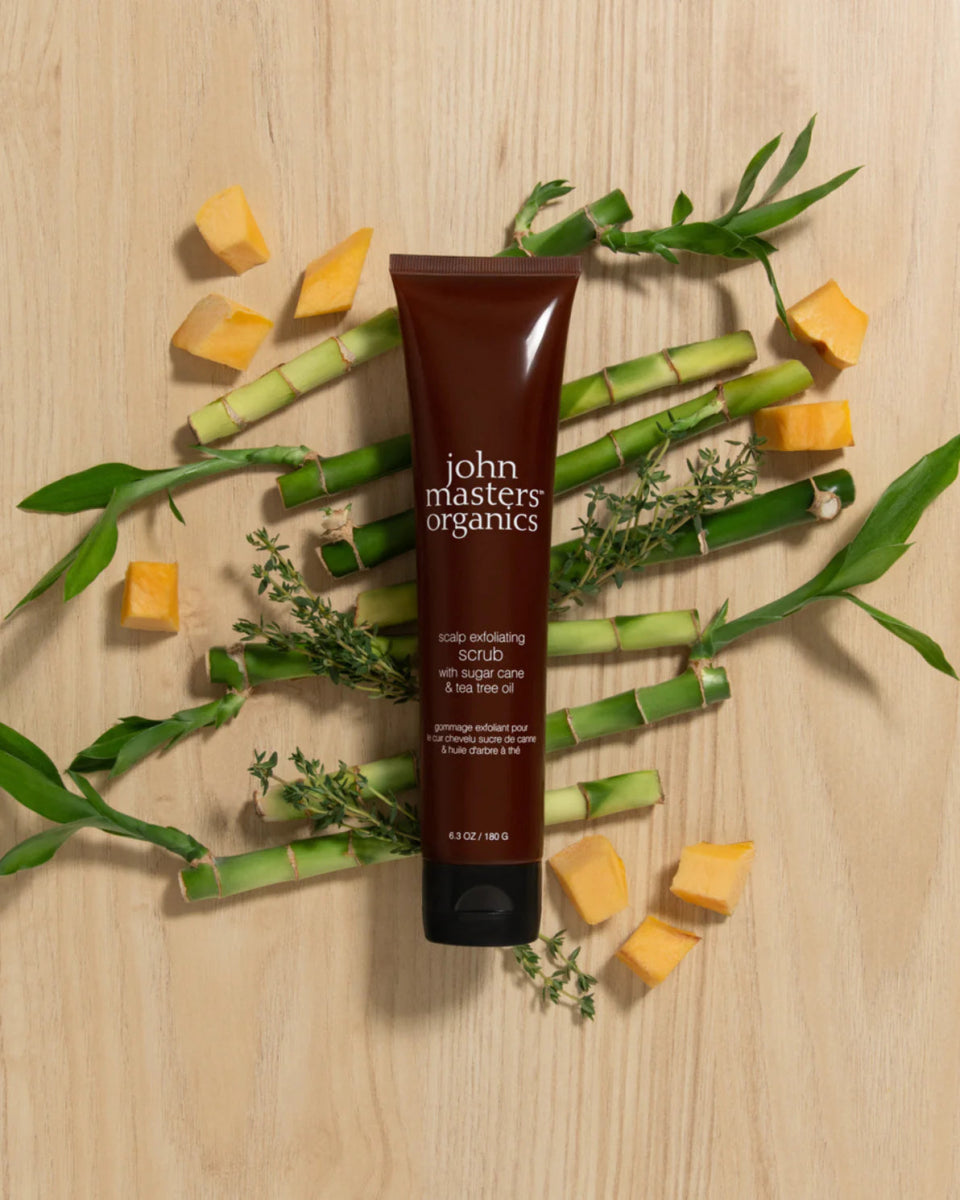
There are also scalp scrubs, which, depending on the product, are used about once a week before washing your hair and gently free your scalp of excess sebum, product residue, and loose flakes with exfoliating ingredients such as organic cane sugar, sea salt, jojoba granules, or clay. Some scalp scrubs are also enriched with extracts such as bamboo or green tea, as well as pumpkin enzymes or AHA fruit acids, which can provide an additional exfoliating effect. One example of a scalp scrub with lactic acid and hyaluronic acid is the Mádara Scalp Peel Serum.
What types of dandruff are there?
In everyday usage, people often distinguish between dry and oily dandruff. However, the causes can vary and cannot be reliably determined by appearance alone.
- Dry dandruff can occur when the scalp loses moisture and fine flakes of skin come loose. Dry air, frequent washing with strongly cleansing shampoos, or blow-drying with very hot air can contribute to this. The flakes are often light-colored and fine, and come away easily from the scalp. Skin conditions may also be the cause.
- Oily dandruff often occurs alongside increased sebum production. The natural skin yeast Malassezia and seborrheic dermatitis can also play a role. This type of dandruff often looks yellowish, is somewhat sticky, and clings more firmly to the hair and scalp. If there is pronounced redness, severe itching, or persistent discomfort, the cause should be assessed by a doctor.
Both types of dandruff can be bothersome and affect self-confidence. Appropriate scalp care and using suitable hair care products can help reduce dandruff and keep the scalp healthy. However, if symptoms do not subside despite appropriate scalp care, it is advisable to consult a doctor.
Care for Dandruff and Irritation
Our selection of scalp products, such as serums, oils, toners, and scalp scrubs, can help gently cleanse the scalp, relieve feelings of dryness, and better care for roots that get greasy quickly.
Products for an oily scalp may contain tea tree oil or extracts of meadowsweet, sage, green tea, and rosemary. Depending on the formula, they can refresh, remove excess oil, and support a balanced feeling on the skin. Pumpkin enzymes and fruit acids (AHAs) help gently loosen dead skin flakes. They are not a substitute for targeted treatment of medically caused dandruff.
If you have issues such as an itchy scalp with dry flakes, it is important to use a mild shampoo without harsh sulfates. Natural leave-in scalp oils can also be an effective way to soothe your scalp. Many specialized scalp oils are lightweight and contain nourishing ingredients such as pomegranate seed oil, sesame oil, bergamot oil, fo-ti extract, and pumpkin seed oil. They can help keep the skin supple and reduce flakes caused by dryness. Essential oils are not always the best choice for very sensitive scalps.
Conditioners and Hair Masks for the Scalp
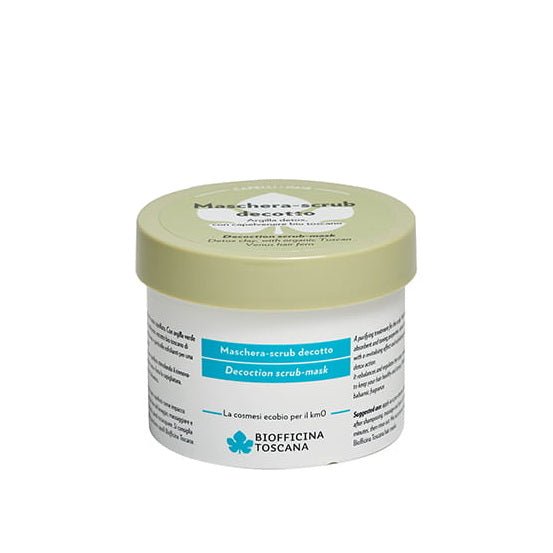
There are conditioners and hair masks that can be applied directly to the scalp. Some are used as pre-wash treatments before shampooing, while others are used after washing; suitable formulas can also be left on for longer. In addition to conditioning ingredients, clarifying scalp masks may contain clay or charcoal powder, which absorb excess oil and styling product residue, giving the scalp a “reset.” Whether shampoo or conditioner is needed afterward depends on the product.
Oiling the Scalp for Special Pre-Wash Care
As an alternative to scalp conditioners and hair masks, you can also apply a natural oil about once a week before washing for a special scalp treatment, gently massaging it into your scalp with your fingers or a wooden brush. Leave the oil on for as long as recommended for the formula and as feels comfortable for your scalp - from a few minutes to overnight, if the product is suitable. Then shampoo your hair as usual and follow with a conditioner.
Particularly suitable ingredients for rinse-out scalp oils include hemp seed, baobab, jojoba, castor, or argan oil. Scalp oils may also contain rosemary, peppermint, lavender, and extracts of red clover, saw palmetto fruit, calendula, or fenugreek. Carefully balanced formulas provide an invigorating feel; combined with a gentle massage, they can make scalp care a relaxing experience. However, soothing scalp care is not the same as medical treatment for hair loss.
Leave-in Scalp Serum and Toner
Rinse-free scalp care comes in the form of lightweight serums, refreshing toners, or leave-in oils. Depending on the formula and combination of active ingredients, you can find suitable leave-in care for different scalp conditions.
Natural leave-in scalp oils can help, especially with an itchy, dry, flaky scalp. Many products for dry scalps have a lightweight texture and nourish with pomegranate seed oil, sesame oil, bergamot oil, Fo-ti extract, and pumpkin seed oil. They can make the skin feel softer and reduce dryness and the flakes associated with it. Regularly applying a specialized scalp treatment is particularly advisable during the winter months, when the scalp becomes drier.
Scalp serums and toners are recommended for hair that gets oily quickly. Their lightweight formulas usually do not weigh down the hair, gently refresh it, and help keep the scalp feeling comfortable, depending on the formula. Good ingredients for caring for a scalp prone to getting oily quickly include witch hazel extract, chlorophyll, meadowsweet, wintergreen, and tamarind. These plant extracts can provide antioxidant and astringent properties, complementing lightweight leave-in scalp care for hair that gets oily quickly.
Wavy or curly hair is often dry and prone to frizz - leave-in scalp products can also help. Rich oils such as avocado, evening primrose, baobab, flaxseed, or moringa oil can help dry, curly, or wavy hair retain moisture and keep lengths soft and supple. Lecithin, often derived from soybeans, can smooth the hair's surface, helping enhance shine and manageability while reducing frizz. The scalp itself does not necessarily need the same rich care as the lengths.
Lightweight scalp serums are especially suitable for fine hair, as they do not weigh down the roots. Formulas with caffeine, chamomile flowers, horsetail, turmeric root, ginseng, guayusa, ginkgo, rosemary, or peppermint offer a range of nourishing and invigorating plant ingredients. If hair loss is noticeable or persistent, possible causes should be medically assessed; cosmetic scalp care can support the appearance of the hair but is not a proven treatment for hair loss.
Holistic scalp care with natural products
In the field of natural scalp care, there are many options tailored to the individual needs of different hair types and scalp conditions. Natural cosmetics offer a wide selection of scalp care products that can target flakes caused by dryness, roots that get oily quickly, and uncomfortable tightness. If your hair is becoming finer, it’s also worth taking a look at our hair care for stronger hair. Plant oils, extracts, and thoughtfully formulated products, often free from silicones, offer a variety of ways to care for your scalp gently and mindfully.
FAQ
What helps with a dry, itchy scalp?
A gentle shampoo, washing your hair with water that isn’t too hot, and suitable moisturizing care are often a good place to start. Lightweight serums with moisture-binding ingredients and selected plant oils can ease tightness and dryness. If itching is severe or persists, consult a doctor to determine the cause.
Which is better: scalp serum or scalp oil?
A scalp serum is usually lightweight and can often be used as a leave-in between washes. A scalp oil is especially suitable for a richer care routine or as a pre-wash treatment. Lightweight serums are often more comfortable for scalps that get oily quickly, while very dry scalps may benefit from selected oils.
How often should I use a scalp exfoliant?
It depends on the formula and the condition of your scalp. Many exfoliants are used about once a week, while some manufacturers recommend using them once or twice weekly. If you have a sensitive scalp, it’s best to start carefully and always follow the instructions for the specific product.
What scalp care is suitable for oily roots?
Gentle yet thorough cleansing is essential. A clarifying shampoo can remove excess sebum and styling residue. Lightweight toners or scalp serums complement your routine without weighing down your roots.
Can natural scalp care help with dandruff?
For flakes caused by dryness, gentle shampoos, moisturizing care, and suitable exfoliants can improve how your scalp feels. However, not all dandruff is caused by dryness: persistent, oily flakes, inflammation, or severe itching warrant a dermatological diagnosis.
Learn more about the connections between your scalp, hair washing, and active ingredients in our detailed guide to a healthy scalp.