













Buy perfume oil — alcohol-free, concentrated & long-lasting
Discover handpicked perfume oils: alcohol-free fragrance compositions that combine a pleasant feel on the skin with a special fragrance experience. Our selection ranges from delicate floral essences to opulent ambery compositions — ideal if you want a personal, often long-lasting fragrance without alcohol.
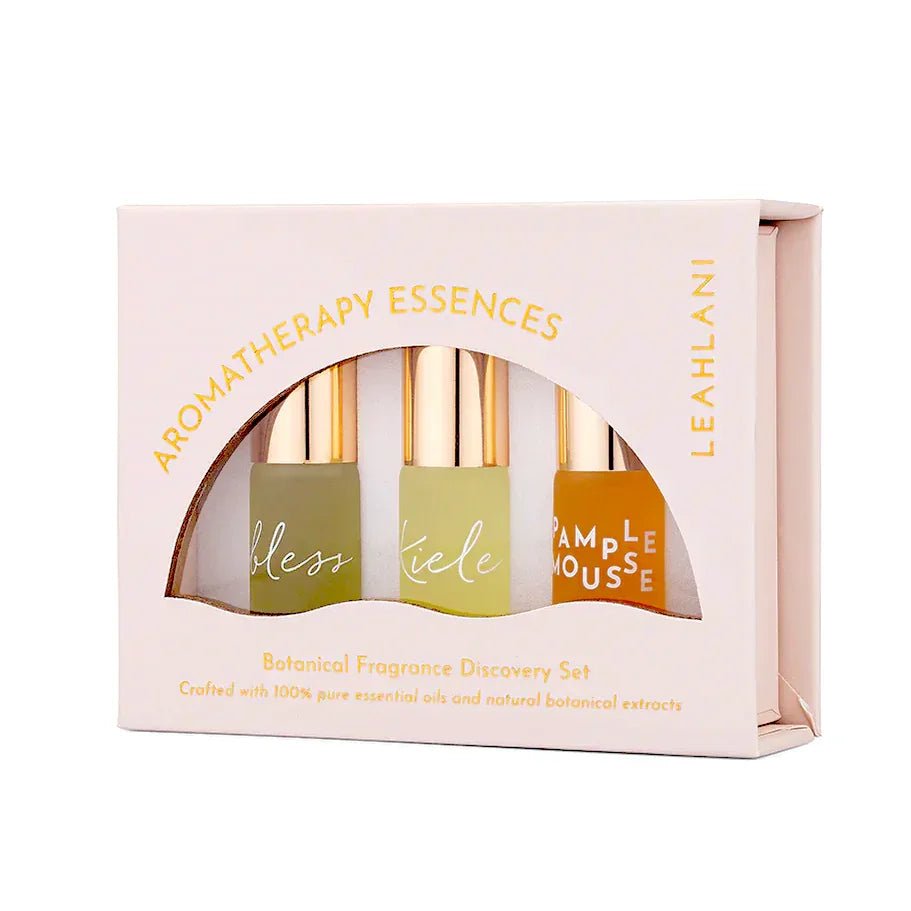
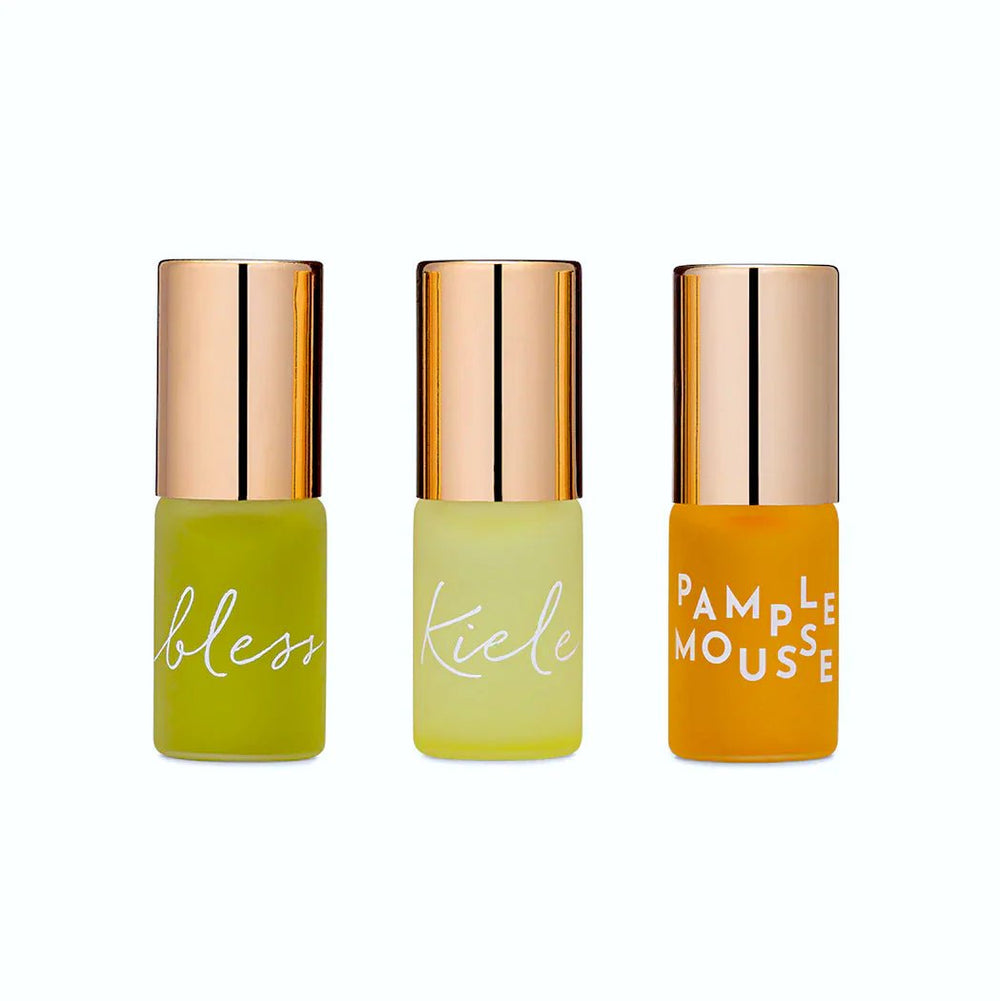
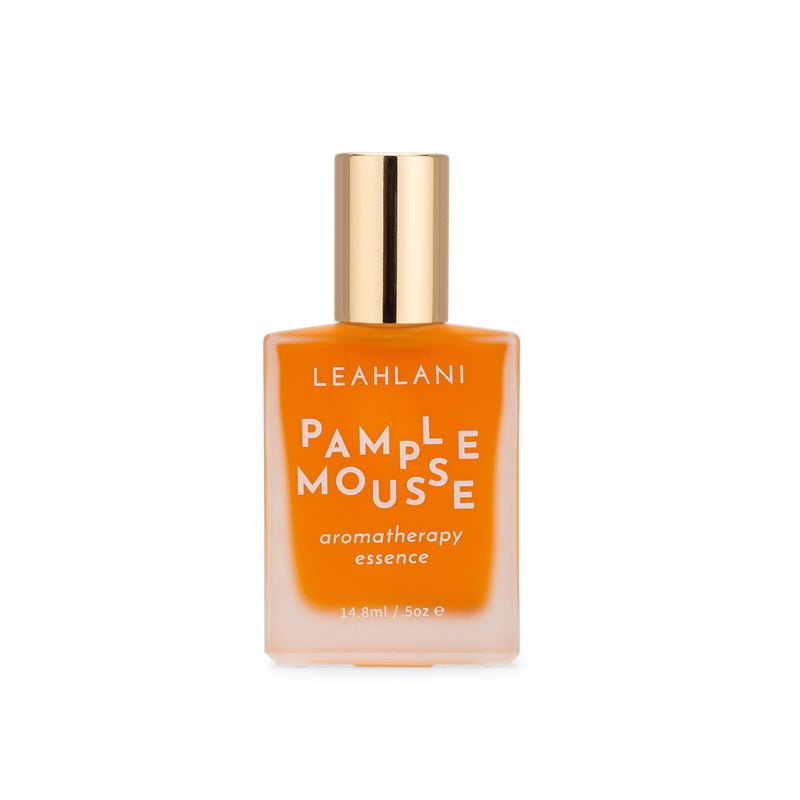
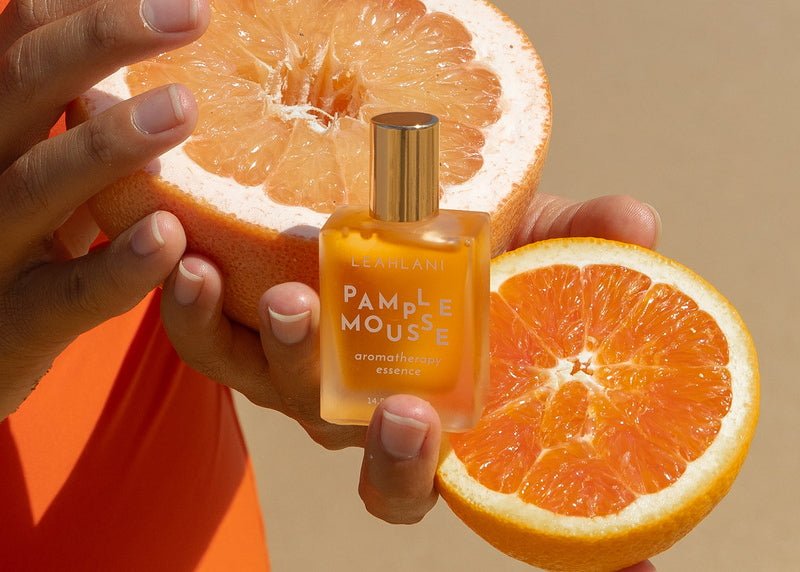
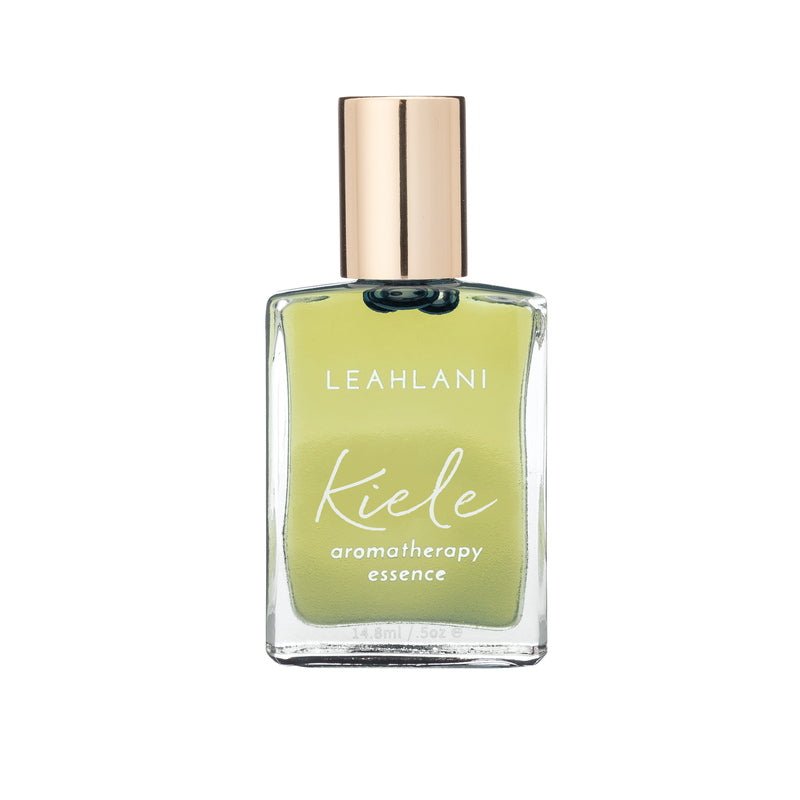
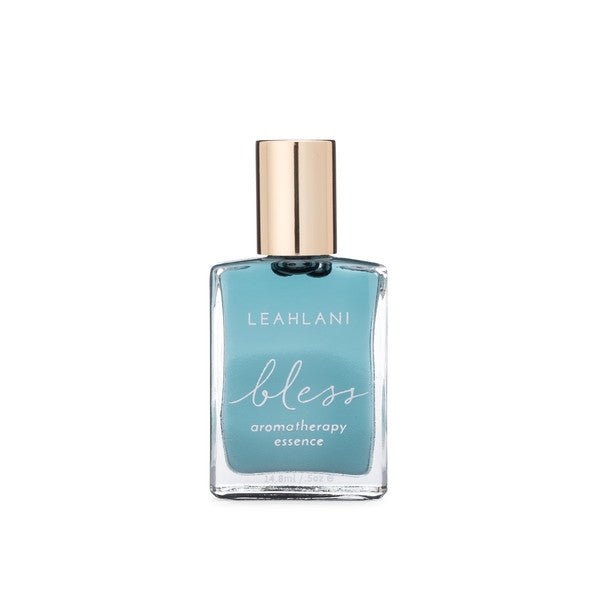
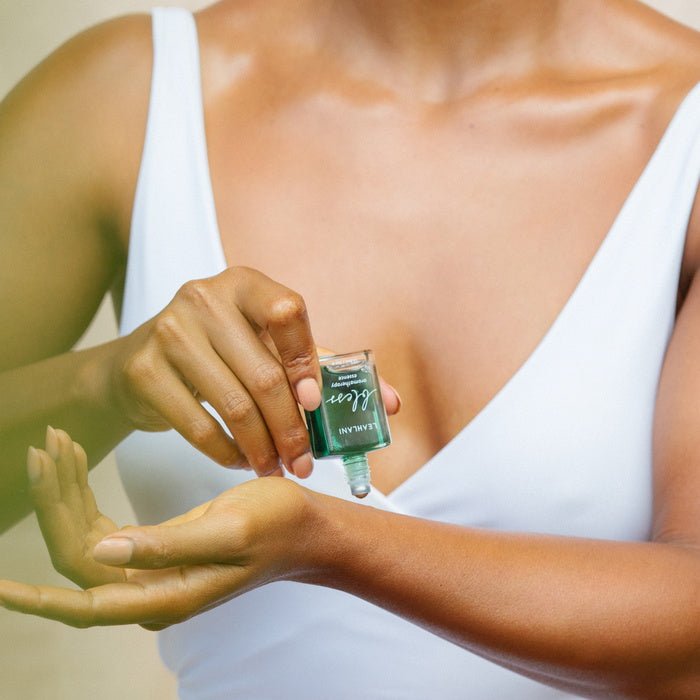
Perfume oils are formulated in an oil base and usually release fragrance notes especially gently and slowly (often as a roll-on). Some traditional oil fragrances are called attars. This makes perfume oils an interesting choice for anyone who wants a fragrance without alcohol, for travel, or as an intense fragrance layer when layering perfumes. Alcohol-free fragrances can also cause reactions on sensitive skin. At Blanda Beauty, we carry brands such as Ashé, Leahlani, RAAW Alchemy and Rahua — each with its own fragrance profile and high-quality ingredients.
How to find your perfume oil: Choose by fragrance family (floral, woody, ambery), oil base (such as jojoba or coconut), or application method (roll-on or dropper bottle). If available, try your favorite with a sample or a Discovery Set — so you can experience how the notes develop on your skin at your leisure.
Need help? Our fragrance guides and the Blanda team are happy to advise you on your choice.
Eau de Parfum or perfume oil - what are the differences?
- Eau de Parfum: Eau de Parfum generally contains alcohol and a fragrance composition made from natural and/or synthetic fragrance ingredients. The fragrance oil concentration is often around 10 to 20 percent; the exact composition varies by brand.
- The term “Intense” usually indicates a particularly expressive fragrance character, but it is not a standardized indication of concentration. An extrait de parfum often has a higher fragrance concentration. However, longevity and intensity still depend on the fragrance ingredients used and the formulation.
- Eau de Toilette: Eau de toilette usually contains fewer fragrance ingredients than eau de parfum and often feels fresher and lighter. There is no single percentage that applies to all brands here either. The French term derives from the historical use of fragrance water as part of personal grooming.
- Eau de Cologne: Traditionally, an eau de cologne is a relatively light, fresh fragrance blend. The history of cologne water is closely associated with Johann Maria Farina, who developed a particularly light fragrance water in Cologne in the 18th century.
- Perfume oil: Unlike classic alcohol-based perfumes, the perfume oils offered here do not use ethanol as a fragrance carrier. The fragrance blend is infused in a carrier oil, such as jojoba or coconut oil. Thanks to their oil-based texture, many fragrances unfold particularly close to the skin. Their intensity and longevity depend on the individual formula. They are available in roll-on or dropper bottles.
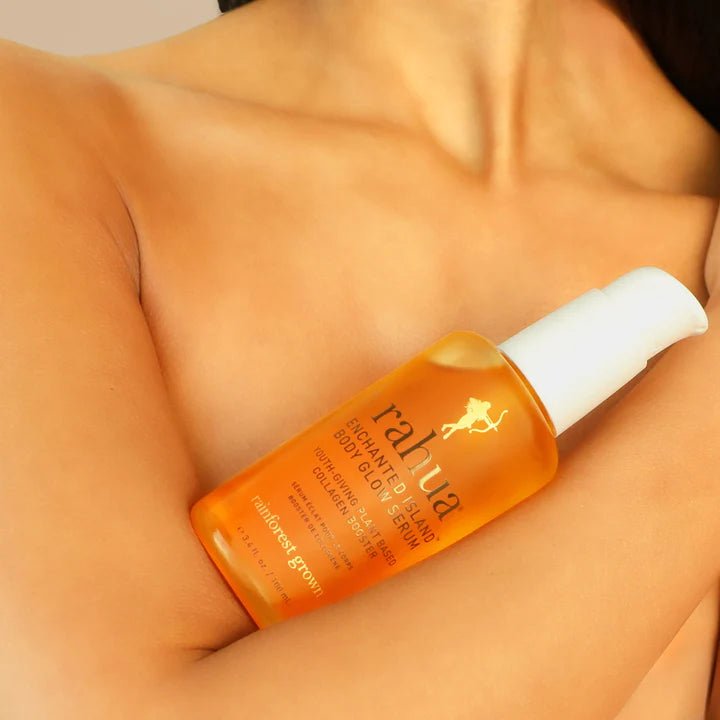
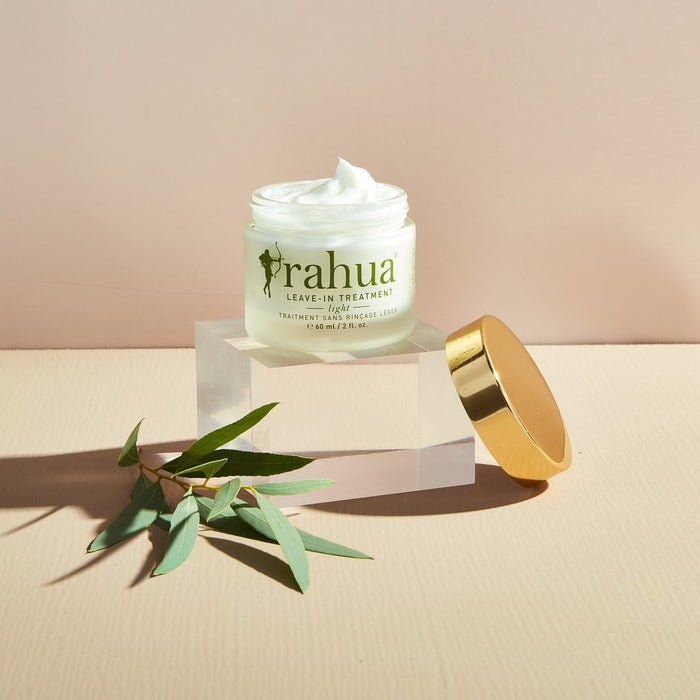
- Natural perfume oils can contain high-quality essences from flowers, fruit peels, spices or woods. Their production ranges from traditional methods to modern fragrance blends. Not all perfume oils in our selection are made exclusively from natural fragrance ingredients: Heretic’s alcohol-free Nosferatu perfume oil, for example, combines a plant-based coconut oil base with natural and carefully selected synthetic aroma molecules. The Palo Santo Oil Perfume by Rahua is a distinctive example of fragrance artistry that consistently emphasizes plant-based ingredients.
- Small, independent fragrance houses like Ashé, Leahlani or RAAW Alchemy create distinctive fragrances and carefully match the oil base to the fragrance blend. For example, RAAW Alchemy uses coconut oil in its perfume oils and also offers some fragrances as eau de parfum – ideal for personalized layering.
The mysterious world of perfume oils: Everything you need to know
The world of perfume oils draws us in like magic when we pass a fragrance that enchants our senses. But what exactly lies behind these wonderful essences? The term fragrance oils is used for both concentrated perfume compositions and ready-to-use skin fragrances diluted in carrier oil. They may contain natural or synthetic fragrance ingredients. Whether floral, woody, or fruity, the right blend of fragrance notes gives every perfume its unique character. Below, we explore the different types of perfume oils, how they are made, and what they are used for. We will also delve deeper into the world of fragrance notes and learn how scents can be combined into personal blends.
What is the difference between perfume oil and essential oils?
Perfume oils are often confused with essential oils, but there are differences between the two. Essential oils, for example, are extracted from plants by steam distillation or pressing. They are concentrated fragrance ingredients and are not automatically suitable for undiluted use on the skin. Ready-to-use perfume oils, on the other hand, are blends formulated to be worn on the skin as a fragrance. They may contain a carrier oil (almond, jojoba, or coconut oil) as well as fragrance essences. Synthetic fragrance components may also be part of the composition.
Perfume oils often combine a variety of fragrance notes, which create distinctive scent profiles in different combinations.
Popular fragrance notes:
- Floral notes: Rose, jasmine, lavender, or violet give perfumes a romantic, sensual note.
- Woody notes: Sandalwood, cedarwood, and patchouli give perfumes a warm, earthy note.
- Fruity notes: Lemon, bergamot, apple, or berries give fragrances a fresh, lively note.
- Ambery notes: Vanilla, musk accords, and amber give perfumes warmth and sensual depth.
These aromas are used in different concentrations to create different fragrance intensities. The choice of fragrance notes and how they are combined are key to a perfume’s character. Passionate fragrance creators blend different nuances into a harmonious scent profile that unfolds on the skin over time.
The role of perfume oil in aromatherapy
Aromatherapy mainly uses essential oils and other suitable plant essences. Ready-to-use perfume oils, on the other hand, are primarily developed to scent the skin. Their fragrance notes may be personally associated with calm, freshness, or comfort. Not every perfume oil is suitable for fragrance lamps, baths, or massages. Therefore, use a product only as intended by the manufacturer. To learn more about the differences, read our aromatherapy guide.
Tips for buying and storing perfume oils
When buying perfume oils, it is important to pay attention to the quality and composition of the oils. Natural perfume oils can combine particularly nuanced fragrance notes from plant extracts and essential oils. Modern perfume oils composed with selected synthetic fragrance ingredients are also part of high-quality niche perfumery. Store perfume oils in a cool, dry place away from light so the fragrance composition retains its character for as long as possible.
DIY recipes for perfume oil blends
Those who want to combine fragrances themselves can start by experimenting with ready-formulated perfume oils intended for use on the skin and carefully layering them. For self-mixed formulas made from pure essential oils, safe dilution levels and the relevant guidance on skin compatibility and citrus oils that may cause photosensitivity are important. The following fragrance ideas show suitable combinations without specifying an unverified number of drops for use on the skin:
- Floral blend: Rose, jasmine, and lavender create a soft, floral fragrance.
- Fruity-citrus blend: Lemon, orange, and bergamot lend a composition a lively freshness.
- Woody blend: Sandalwood, cedarwood, and patchouli add depth and a warm, earthy base.
For use on the skin, only fragrance blends that are suitable for this purpose and correctly diluted should be used.
Conclusion: Discover the variety of perfume oils
Immerse yourself with us in the fascinating world of perfume oils and let their magic captivate you. Fragrances speak a universal language; they evoke memories and stir emotions. Always new, and different for everyone.