










Ripe figs in summer, juicy peach, sparkling mandarin, dark cherry, or fresh berries: fruity scents bring color, energy, and a special vibrancy to a perfume. They can feel bright and light, green and natural, creamy and sunny, or dark, warm, and seductive. Fruity perfumes are far more than sweet summer scents. A fig can feel green, milky, or woody. Peach can seem velvety, floral, or almost skin-like. Citrus fruits bring clarity, while cherry, cassis, or plum lend a fragrance depth and intrigue. It is their pairing with flowers, woods, spices, tea, resins, or musk that gives a fruit note its own distinctive character.






What makes a fragrance fruity?
A fragrance feels fruity when fruit clearly shapes its character. This could be a sparkling opening with bergamot, grapefruit, or mandarin, a velvety heart of peach, pear, or fig, or a darker base of cherry, plum, berries, or dried fruit.
Fruity notes can feel juicy and bright, but also green, tart, creamy, or gourmand. Fig leaves, cassis buds, and citrus peels give them a natural, slightly bitter edge. Vanilla, tonka bean, sandalwood, or musk make them softer and warmer. Resins, leather, and dark woods add depth and contrast to fruity notes.
The key fruity notes in perfumes
Peach, apricot, and osmanthus: velvety and sun-warmed
Peach and apricot bring a soft, almost velvety fruitiness to a perfume. They can feel sweet and sunny, but also very elegant and close to the skin when paired with white flowers, musk, or woods. Osmanthus often evokes apricot, peach, and fine leather, bringing fruitiness together with floral depth.
Fig: green, milky, and woody
Fig is an especially versatile fruity note. It can evoke ripe fruit flesh, green leaves, milky sap, or dry wood. Paired with cedarwood, tonka, sage, or mandarin, it creates fragrances that are fruity but never generic.
Berries, cassis, and cherry: from vibrant to dark
Raspberry, cassis, red berries, and cherry add intrigue and color to a perfume. They can feel fresh and sparkling, but also dark, liqueur-like, or velvety. They become especially intriguing with rose, tea, cocoa, tobacco, rum, or warm woods.
Pear, quince, and pomegranate: crisp and modern
Pear often feels juicy, bright, and soft. Quince can be aromatic, slightly tart, and surprisingly elegant. Pomegranate adds fruity, slightly tangy depth that pairs especially beautifully with rose, peony, musk, or patchouli.
Mandarin, grapefruit, and citrus peels: sparkling and vibrant
Citrus fruits give fruity perfumes lightness and vibrancy. Mandarin feels soft and sunny, while grapefruit is drier and more bitter. Bergamot and lemon peels add crisp, bright accents and keep a fragrance from feeling too sweet.
Fruity, sweet, gourmand, or floral?
These styles often overlap, but have different focal points.
Sweet fragrances focus more on sugar, vanilla, caramel, tonka, or soft amber notes. Fruity fragrances can feel sweet, but usually stay closer to the freshness or natural character of the fruit.
Gourmand fragrances are more reminiscent of edible accords such as pastries, cocoa, cream, honey, or liqueur. Fruity gourmands combine these notes with cherry, peach, fig, or berries, for example.
Floral fragrances put flowers center stage. Fruity notes can add brightness, for example peach with osmanthus, cassis with rose, or mandarin with orange blossom.
Green fragrances focus more on leaves, stems, herbs, and twigs. Fig, cassis, and citrus peels in particular can have a very green, natural fruitiness.
Your guide to fruity fragrances
Fruity perfumes can be sparkling, sunny, green, floral, creamy, or dark. You might be looking for a sparkling citrus fragrance, a natural fig, velvety peach, or a dark cherry with warmth and depth.
Sparkling & transparent
Do you like fruitiness that feels bright and fresh, without being too sweet? Citrus peels, peach, watermelon, or pear take on a modern, airy quality when paired with tea, woods, herbs, or musk.
Examples from our selection
Liis Floating Eau de Parfum combines bergamot and peach with wild orchid, fresh laundry, and sequoia wood. A bright, weightless fragrance with gentle fruitiness and a clean, soft base.
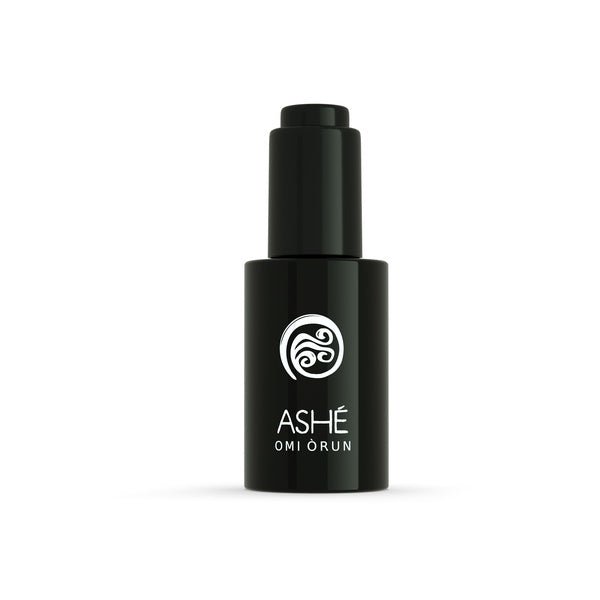
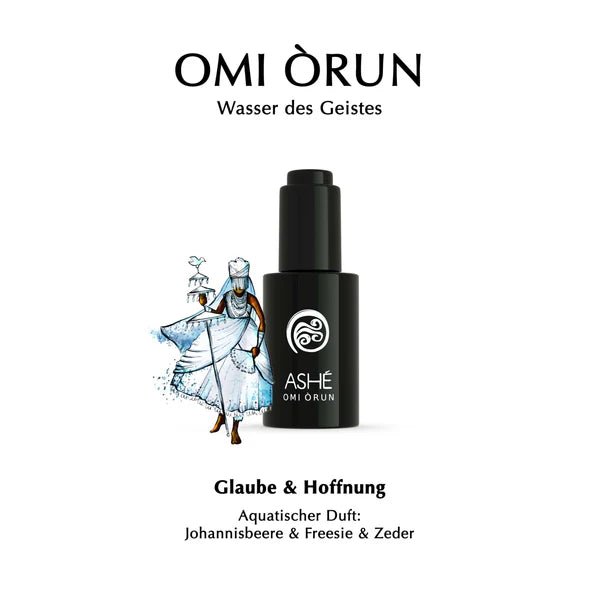
Ashé Omi Òrun Natural Energy Perfume combines blackcurrant and mandarin with iris, freesia, peony, rose, and marine notes. An aquatic, transparent fruitiness with soft woods in the drydown – clear, airy, and not too sweet.
Green & Mediterranean
Do you like fruit notes with leaves, herbs, and dry woods? In this style, fig is not a dessert note but a multifaceted, natural fragrance note: green, milky, slightly tart, and warm.
Examples from our selection
Frau Tonis No. 44 Fig combines green and violet figs with young leaves, cedarwood, and tonka bean. A calm, elegant fig fragrance with green freshness and warm depth.
Voyages Imaginaires L’Échappée Sauvage combines bergamot, fig, lemon, and pink pepper with almond, narcissus, cedarwood, sage, guaiac wood, and tonka. Fruity, green, and creamy-woody all at once – like a sunny stroll through a Mediterranean landscape.
Fruity & floral
Do you like fruit notes that gain radiance and elegance from flowers? Berries, mandarin, peach, or cassis come together here with rose, orange blossom, jasmine, or ylang-ylang. The result feels lively, feminine, and multifaceted without being too crowd-pleasing.
Examples from our selection
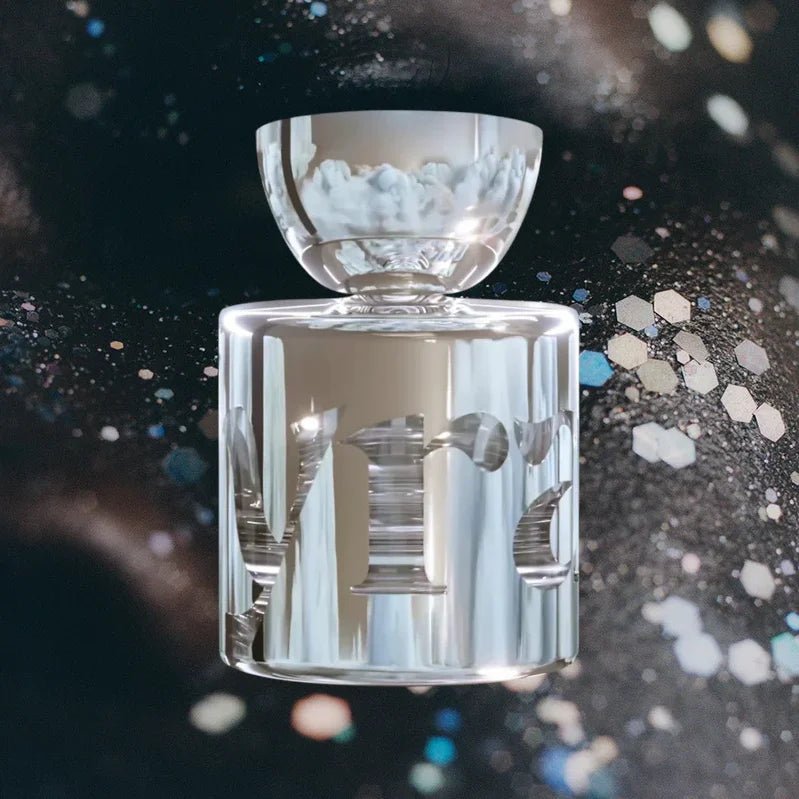
Liis Flower Glyph Eau de Parfum combines iridescent ink and blueberry with honeysuckle, mirabelle plum, jasmine sambac, and flower pollen. A luminous, fruity-floral composition that brings together the freshness of dark berries and a shimmering, modern floral note.
Heretic Dirty Peach Eau de Parfum combines orange peel, mandarin, and grapefruit with peach, strawberry, blackcurrant bud, ylang-ylang, and jasmine. A sunny, playful fruitiness with a green, slightly wild edge.
Velvety & warm
Looking for a fruity fragrance with a soft texture and warmth? Peach, plum, apricot, and osmanthus come together here with sandalwood, tonka, vanilla, musk, or darker woods. This style feels sensual and enveloping without necessarily being gourmand.
Examples from our selection
Vyrao Ludeaux Eau de Parfum combines a peach-skin accord with osmanthus, ambrette, magnolia, jasmine, amyris, tonka bean, sandalwood, and musk. A soft, floral fragrance with warm, skin-close fruitiness.
UNIKA C4 – Oud Osmanthus combines osmanthus, peach, and plum with apricot, violet, rose, oud, patchouli, and vanilla. Velvety, warm, and dark, with plenty of depth and a delicate woody base.
Dark & indulgent
Do you like fruity fragrances with liqueur, cocoa, warm resins, or dark woods? Cherry, fig, or berries take on a more sensual, mature character with rum, tobacco, vanilla, myrrh, or patchouli.
Examples from our selection
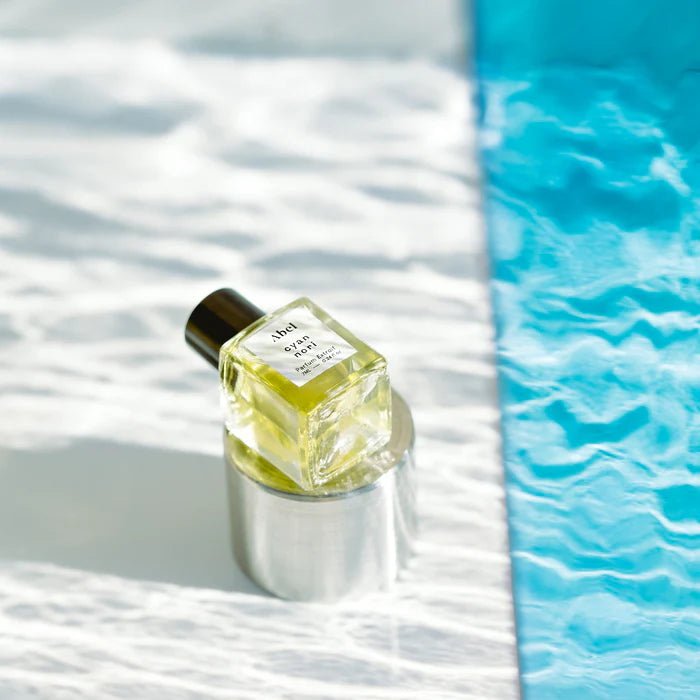
Abel The Apartment Eau de Parfum combines sour cherry and rum with tuberose, cocoa, myrrh, and tolu balsam. A dark, warm fragrance that balances fruit, florals, and delicate gourmand depth.
Carl Kling Fig Nuit Eau de Parfum combines blackcurrant and violet with ripe figs, davana, osmanthus, iris, patchouli, milk, and vanilla. The fruitiness feels ripe, soft, and almost velvety here, with a darker, powdery warmth.
Experience fruity fragrances on your skin
Fruity perfumes in particular often change noticeably on the skin. Citrus fruits, berries, or peach often shape the first impression. Over time, florals, tea, woods, musk, resins, or vanilla become more noticeable, giving the fragrance its depth.
Our article explains how top, heart, and base notes unfold over the course of a perfume: Top, heart, and base notes: what a perfume’s fragrance pyramid means.
With our perfume samples, you can take your time trying different fruity styles on your skin and find out whether you’re more drawn to citrusy clarity, green fig, soft peach, or dark cherry.
Frequently asked questions about fruity fragrances
What does fruity mean in perfume?
Fruity fragrances are characterized by notes such as peach, fig, berries, cherry, pear, plum, citrus fruits, or blackcurrant. They can smell fresh, sweet, green, floral, creamy, or dark.
Are fruity fragrances always sweet?
No. Fig can smell green and woody, grapefruit tart and dry, blackcurrant slightly sour, and citrus fruits crisp and fresh. It’s only when they’re paired with vanilla, tonka, honey, or warm woods that a fragrance becomes sweeter and softer.
What’s the difference between fruity and gourmand fragrances?
Fruity fragrances put the fruit itself more in the spotlight. Gourmand fragrances are more reminiscent of edible accords such as cream, cake, cocoa, caramel, or liqueur. The two styles can overlap, for example, in cherry with rum or fig with vanilla.
Which fruity notes feel especially elegant?
Fig, pear, quince, cassis, osmanthus, peach, and pomegranate often feel particularly refined and modern when combined with tea, woods, musk, florals, or herbs.
Are fruity fragrances suitable for everyday wear?
Yes. Bright citrus notes, green fig, pear, and fruity-floral fragrances are often very suitable for everyday wear. Deeper versions with cherry, rum, cocoa, vanilla, or resins feel more pronounced and are especially lovely for evenings or cooler days.
Do fruity fragrances last long?
Bright fruity notes are often the first to be noticed. Woods, musk, vanilla, tonka bean, resins, and patchouli can linger on the skin longer. However, how long a fragrance lasts always depends on its composition, concentration, and your skin.
Discover our citrus fragrances, green fragrances, floral fragrances, creamy fragrances, gourmand fragrances, and woody fragrances.